You don't need a degree in art history or a trust fund to start collecting contemporary art. What you need is curiosity, a willingness to look, and enough financial comfort to spend money on something that exists purely to make your life richer. If you have $5,000 to $50,000 and want to buy art you'll actually live with — not something to flip at auction in three years — this guide is for you.
The art world has a reputation for being intimidating, deliberately opaque, and hostile to outsiders. Some of that reputation is earned. But the actual experience of finding a piece you love and bringing it home is one of the most rewarding purchases you'll ever make. Nothing else you buy will change the way a room feels the way a painting or sculpture does.
Where to Start: Walking Before You Buy
Art fairs are the best education money can't buy — because the education part is free. Events like Frieze in London, Art Basel in Switzerland and Miami, FIAC in Paris, and the Armory Show in New York bring hundreds of galleries under one roof. Your first visit will be overwhelming. That's fine. The goal isn't to buy anything.
Walk the entire fair. Move quickly past what doesn't interest you and slow down in front of what does. Don't worry about whether your taste is "right." Note which galleries are showing work that makes you stop. Write down their names. When you get home, follow those galleries on Instagram and sign up for their mailing lists. Within a few months, you'll start to see patterns in what you're drawn to — a certain scale, medium, colour palette, or emotional register.
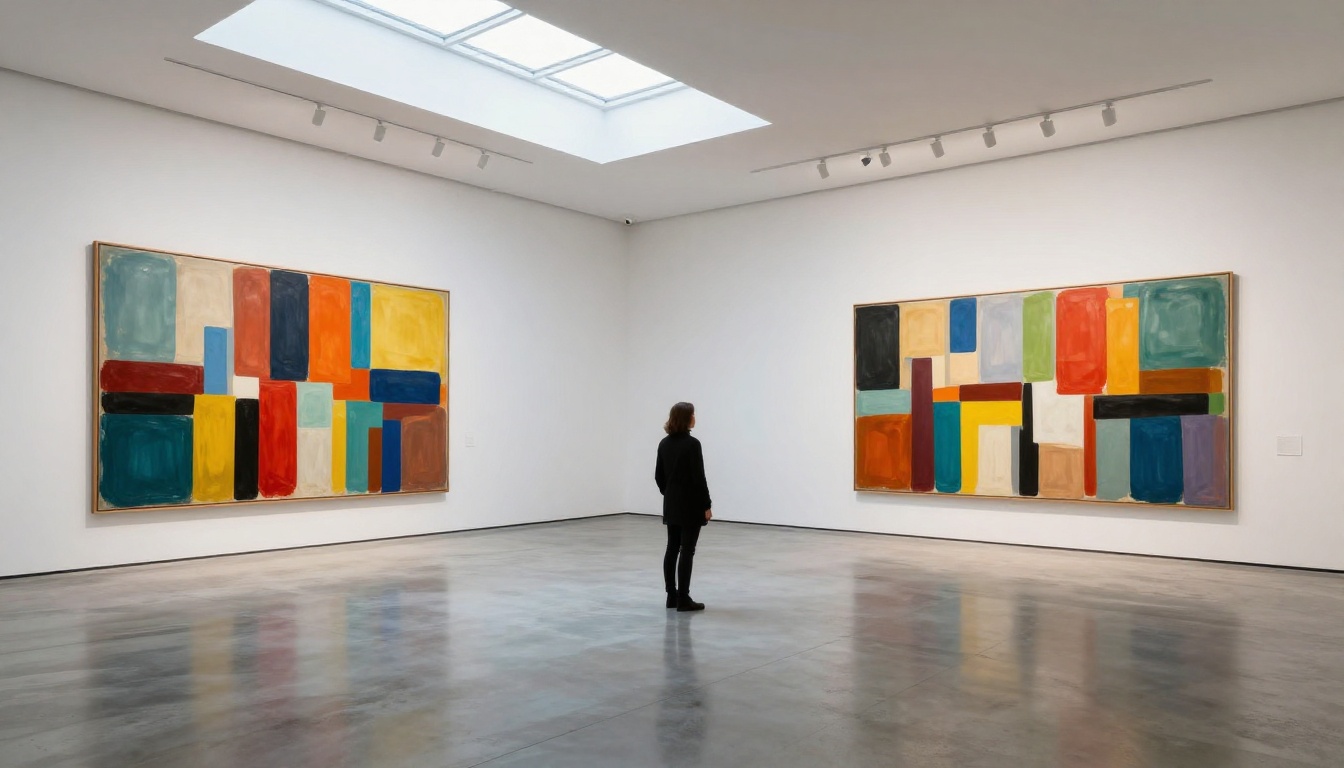
Then visit those galleries in person. Gallery visits are free, low-pressure, and far more intimate than fairs. You can spend twenty minutes with a single piece. Talk to the staff. They're not there to judge you. They're there to sell art, and they'd rather talk to someone genuinely interested than another collector ticking boxes.
Galleries vs. Auction Houses: Understanding the Markets
There are two ways to buy art: the primary market and the secondary market. Understanding the difference will save you money and frustration.
The primary market means buying through a gallery that represents the artist. You're purchasing directly from the source. The price is set by the gallery in consultation with the artist, there's no buyer's premium added on top, and a significant portion of the sale goes to the person who made the work. You also build a relationship with the gallery, which matters more than most newcomers realize. Galleries remember who bought early. They offer loyal collectors first access to new work before it goes on the wall.
The secondary market means buying at auction or from a dealer reselling work that's already been sold once. The artist has been validated by the market, which reduces some risk, but you'll pay a buyer's premium of 20 to 25 percent on top of the hammer price. You're also competing against experienced dealers who know exactly what everything is worth. For a first purchase, the primary market is almost always the better choice.
Buy from galleries first. You'll pay less, support the artist directly, and begin relationships that open doors for decades. Auction houses will still be there when you're ready.
Price Ranges and What They Actually Mean
Art pricing can seem arbitrary, but there's a rough logic to it. Understanding the tiers helps you know what you're getting into.
$1,000 to $5,000: The Learning Range
At this level, you'll find emerging artists, limited-edition prints, photography, and works on paper. These are not lesser forms of art. Some of the most important works of the 20th century are prints and photographs. This is where you learn what you actually like to live with, which is often different from what you like to look at in a gallery. Buy several smaller pieces before committing to a large one.
$5,000 to $25,000: The Sweet Spot
This range gets you original work by early-career artists who have gallery representation — small paintings, sculptures, unique works on paper, and photography in small editions. If you're making your first serious purchase, this is the bracket to focus on. The artists here are committed to their practice, their galleries are invested in building their careers, and the work has room to grow in both cultural significance and value.
$25,000 to $100,000: Mid-Career Territory
Here you'll find artists with museum exhibitions, biennale inclusions, and critical recognition. The works tend to be larger, more ambitious, and more expensive to insure and ship. This is the range where investment potential begins to enter the conversation, but resist the temptation to think of art primarily as a financial instrument. The best collectors at this level buy what moves them and let the market do what it will.
$100,000 and Above: Established Names
This is secondary-market territory for blue-chip contemporary artists — Gerhard Richter, David Hockney, Jeff Koons, Yayoi Kusama. The work is museum-quality, the prices are firm, and the risks are different. Don't start here. Even experienced collectors at this level work with advisors.
What to Look For Before You Sign
Once you've found a piece you love, slow down. Ask the gallery for a condition report, which documents any damage, restoration, or wear. Request a certificate of authenticity, especially for prints, photographs, and editions. Ask about provenance — where the piece has been shown or previously owned. A strong exhibition history adds both cultural weight and financial security.
For prints and photographs, pay attention to edition size. An edition of five to ten means relative scarcity. An edition of fifty or more is closer to reproduction than collectible art. Ask whether the artist has institutional support: museum shows, inclusion in public collections, biennale participation. These markers don't guarantee future value, but they indicate that serious people have taken the work seriously.
Provenance, condition, and authenticity aren't bureaucratic details. They're the foundation of every intelligent purchase. Never skip them, regardless of how much you trust the seller.
The Practical Side: Insurance, Framing, and Hanging
Owning art comes with responsibilities that most new collectors don't think about until something goes wrong. Start with insurance. For work under $10,000, you can often add it to your existing home insurance policy with a scheduled items rider. For anything above that, or for a growing collection, use a specialist insurer like AXA Art or Hiscox. They understand art-specific risks — transit damage, accidental breakage, climate exposure — that general insurers don't.
Framing matters more than you think. Always use UV-protective glass and acid-free matting. Cheap framing will damage the work over time and destroy its value. For anything over a few thousand dollars, use a professional framer recommended by the gallery you bought from. They'll know the standards.
Hanging is another area where spending a little more upfront prevents expensive mistakes. Residential walls are not gallery walls. They're thinner, often hollow, and less forgiving. For any piece worth more than $5,000, hire a professional art handler to install it. They'll use proper hardware, find the studs, and hang it at the right height. Gallery standard is 57 inches to centre, but in a home, comfort and sight lines matter more than rigid rules.
Climate is the silent killer of art. Avoid hanging work in direct sunlight, above radiators, or in rooms with significant humidity fluctuations. Bathrooms and kitchens are generally poor choices. A stable, temperate room with indirect light is ideal.
When to Hire an Art Advisor
If your budget exceeds $50,000 or you're looking at a specific artist in the secondary market, consider working with an art advisor. A good advisor charges 10 to 15 percent of the purchase price, or a flat fee for ongoing consultation. Established firms like Gurr Johns and Beaumont Nathan have deep market knowledge and gallery relationships. Smaller independents can be equally effective and more personally attentive.
What do you get for that fee? Access, mostly. Top galleries don't always take walk-in collectors seriously, especially for in-demand artists with waiting lists. An advisor opens those doors. They also prevent overpaying by knowing the true market value of a piece — not just the asking price. And they handle the logistics of due diligence, shipping, insurance, and installation, which becomes genuinely complex at higher price points.
For your first purchase under $25,000, though, you probably don't need an advisor. Do your own research, visit galleries, trust your eye, and buy something that makes you want to walk into the room where it hangs. That instinct — the desire to be near a piece of art — is worth more than any expert opinion.
Looking for luxury brands, stores, and services? Browse our curated directory: