Why a Private Chef Makes Sense
There's a moment in every ambitious dinner party plan where you realize you're in over your head. The recipes are stacking up, the timing feels impossible, and you haven't thought about plating. This is exactly where a private chef makes sense — not as a status move, but as a practical solution that often costs the same as taking the group to a high-end restaurant.
For groups of six to twelve, hiring a private chef frequently delivers better value than booking a private dining room. You get the same caliber of cooking, full customization, no commute, and the privacy of your own home. The per-person cost lands in roughly the same range, but you skip the venue premium and beverage markup while gaining complete control over the evening.
If you've never done this before, the process can feel opaque. This guide covers the full arc — costs, sourcing, the planning conversation, wine, etiquette, and what to watch out for — so your first time goes smoothly.
What It Actually Costs
A solid private chef experience — four to six courses, quality ingredients, professional service — runs $150 to $300 per person. This is the range where you'll find talented chefs with strong restaurant backgrounds who do private events regularly. The food is genuinely excellent, the presentation is polished, and the evening feels special. Move into the premium tier with a chef who has Michelin credentials or a recognized name, and you're looking at $500 to $1,500 or more per person.
For a dinner party of eight, expect $2,000 to $5,000 at mid-range. A premium experience runs $8,000 to $15,000 or higher. Quotes typically cover ingredient sourcing, preparation, service, and cleanup. Wine is almost always separate — budget $30 to $100 per person if you want proper pairings.
Compare that to a private dining room at a serious restaurant in New York or London, where you'll easily spend $250 to $500 per person before wine, gratuity, and room fees. At home, you're paying similar money for a fundamentally better experience.
Where to Find a Private Chef
Agencies are the most straightforward route. STARR Catering and Elior operate across major markets. Take a Chef spans over 60 countries. In the UK, yhangry connects hosts with chefs at various price points, and La Belle Assiette covers much of Europe.
Agencies add a 20 to 40 percent markup, but they handle vetting, insurance, and backup plans. For a first experience, this overhead is worth the peace of mind.
For a more direct route, ask your favorite restaurant's front-of-house team if anyone on the kitchen staff does private bookings. Many sous chefs moonlight on their days off, and the results are strong because you already know the kitchen's standards. Instagram is another legitimate channel — search #privatechef combined with your city, review their plating photos and comments, and reach out via DM.
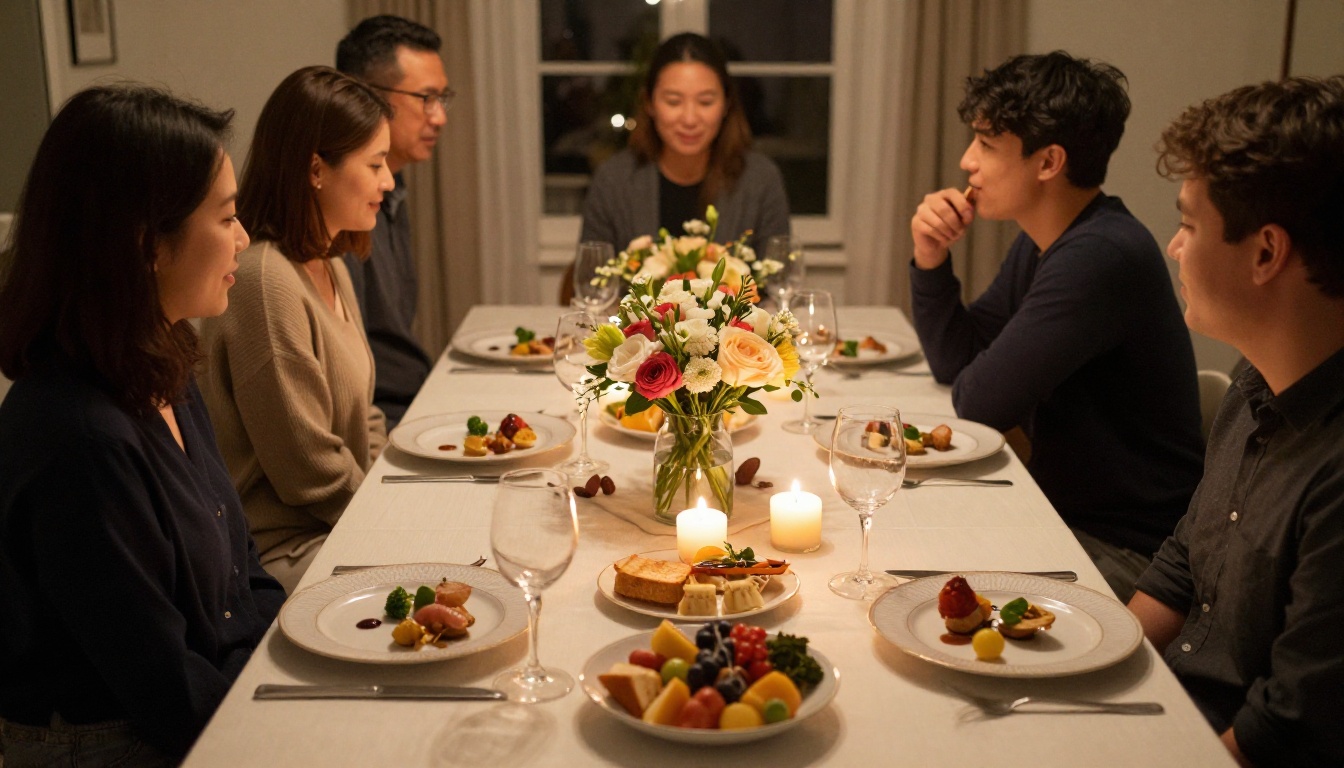
A private chef at home often costs the same per person as a comparable restaurant — but with total privacy, a custom menu, and no competition for the waiter's attention.
The Planning Conversation
Cover logistics before menus. Your initial call should address guest count, dietary restrictions, cuisine direction, and number of courses — four to seven is typical. Discuss service style (plated versus family-style), whether the chef brings equipment or uses yours, and whether cleanup is included.
Also confirm arrival time. Most chefs need three to four hours of setup before service, so plan accordingly if guests are arriving at seven.
A professional chef will then propose two to three menu options based on your preferences and what's in season. You can request specific dishes or give a broad direction, but avoid micromanaging every course. Trust their judgment on seasonal ingredients — a chef who pushes back on your request for tomato salad in January is a chef who cares about the food. The menu should feel like a collaboration, not an order form.
Wine Pairing Options
Most private chefs don't supply wine. They'll cook with it and many will suggest pairings, but sourcing the bottles falls to you. The simplest approach: ask the chef to recommend specific wines for each course and buy them yourself. A good wine shop will pull the selections if you share the menu and pairing notes.
Budget $30 to $100 per person depending on the labels. For a more complete experience, hire an independent sommelier for the evening at $500 to $1,500, which covers wine selection, sourcing, and tableside pouring with explanations for each course.
The middle ground is working with a wine merchant who offers private dining packages — you send them the menu, they deliver pre-selected bottles with tasting notes. Less theatrical than a live sommelier but reliable and cost-effective.
Etiquette That Matters
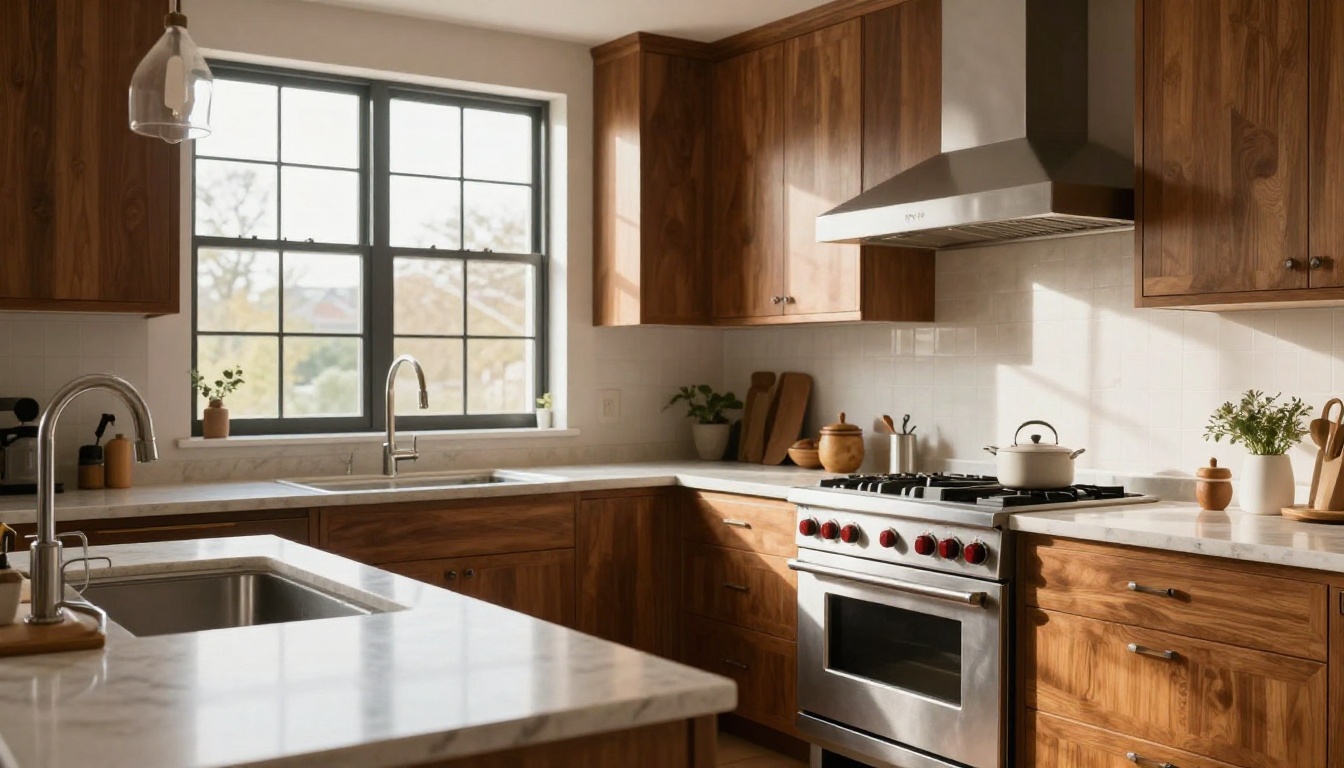
Provide a clean, cleared kitchen with working appliances and adequate counter space. A chef arriving to a cluttered kitchen loses valuable prep time on problems that aren't theirs.
Once service begins, stay out of the kitchen — this is the most common mistake hosts make. Hovering or offering help, however well-intentioned, disrupts timing and flow.
Introduce the chef to your guests during service. Many welcome the chance to present a course personally, and this human connection is what separates a private dinner from ordinary catering.
At the end of the evening, tip 15 to 20 percent on the total, or a flat $200 to $500 for a strong experience. Cash, handed directly, is preferred. A follow-up message the next day with specific compliments builds goodwill for future bookings.
The best private chef experiences happen when the host treats the chef as a collaborator. Clear communication upfront, a functional kitchen, and genuine appreciation afterward set the stage for an evening everyone remembers.
What Can Go Wrong
Kitchens that aren't up to the task are the most common problem. If your oven runs hot, your burners are inconsistent, or counter space barely fits a cutting board, mention it during the initial call so the chef can plan around it or bring supplemental equipment.
Surprise dietary needs are another frequent issue. Learning at 6 PM that one guest is vegan and another has a severe nut allergy, when service starts at 7:30, forces last-minute compromises. Collect dietary information from every guest in advance and share it during menu planning.
Timing trips up first-time hosts too. A seven-course dinner for eight takes three to four hours of service alone. Work backward with the chef to build a realistic schedule — a well-paced five-course dinner often delivers a better experience than seven courses crammed into a tight window.
The underlying rule across all of these pitfalls is simple: the more detail you share upfront, the fewer surprises land on the chef during the evening.
The Bottom Line
For a meaningful gathering of six to twelve people, hiring a private chef is one of the smartest hosting decisions available. You get restaurant-quality food in your own space, full customization, no time limits, and an atmosphere that no dining room can replicate. The cost is comparable to what you'd spend at a high-end restaurant for the same group, and the experience is categorically better.
Start at the mid-range tier for your first experience. Book through an agency if you want a safety net, or seek a direct referral if you prefer a personal connection. Have a thorough planning call covering every detail about your kitchen and guests, then get out of the way and let the professional work. The result is an evening that feels effortless to your guests — which is the highest compliment any host can receive.
Looking for luxury brands, stores, and services? Browse our curated directory: