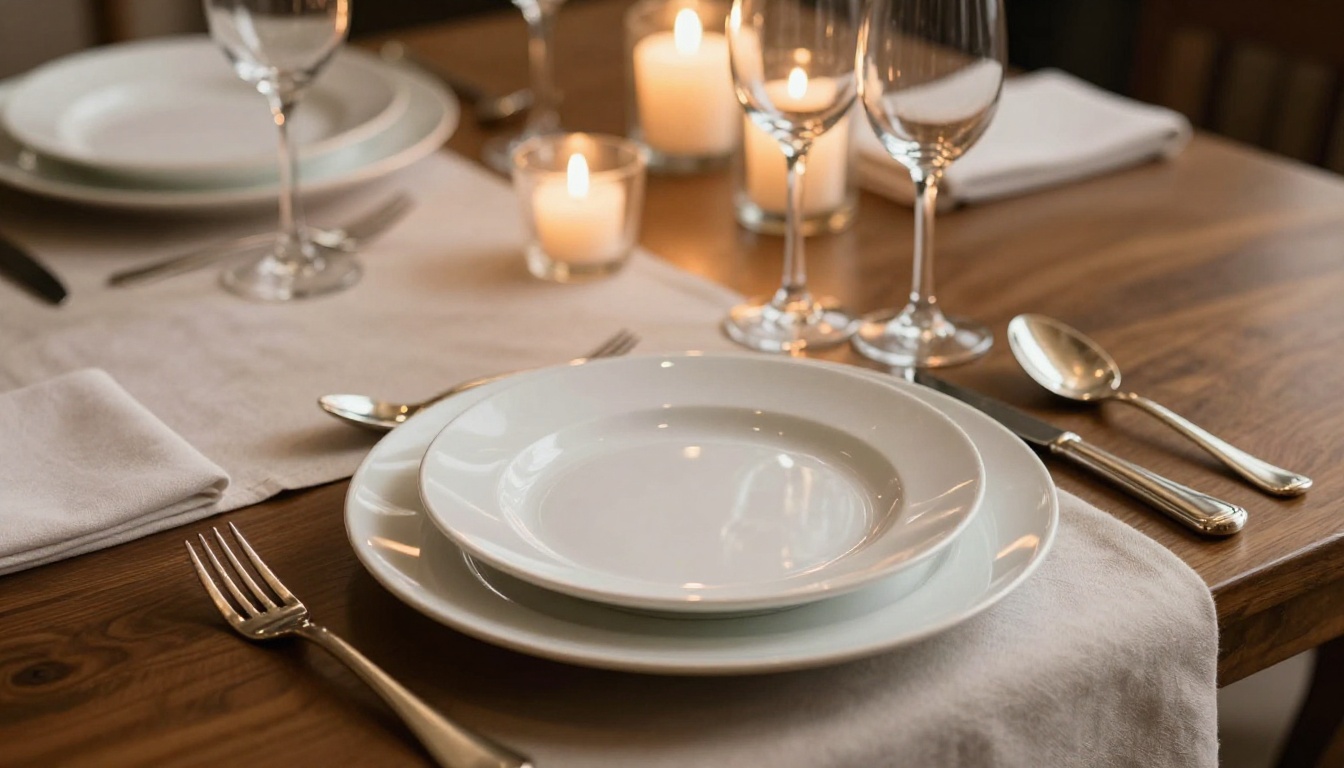
A perfectly seared côte de boeuf loses something when it arrives on a white plate from a restaurant supply catalog. The same cut, presented on a hand-thrown Astier de Villatte platter with its milky glaze catching the candlelight, becomes an event. Tableware is the most overlooked element of dining well at home — more consequential than the centerpiece, more lasting than the wine, and far more personal than the furniture it sits on.
The difference between a forgettable table and a memorable one rarely comes down to spending more. It comes down to choosing pieces with intention, understanding what each maker does well, and — this is the part most people get wrong — building a collection that works together without trying to match.
The Case Against the Matching Set
Department stores have spent decades selling tableware the same way they sell bedroom furniture: as a suite. Eight dinner plates, eight salad plates, eight bowls, all in the same pattern, from the same line. It looks complete on the shelf. It looks lifeless on the table.
The most interesting tables in private homes — and the best restaurants, for that matter — mix makers, eras, and materials. A Bernardaud charger plate under an Astier de Villatte dinner plate. Zalto stems next to heavy-bottomed Lobmeyr tumblers. Christofle flatware from the 1970s alongside hand-forged serving pieces bought at a flea market in Provence. The effect is layered, personal, and impossible to replicate from a single catalog.
That said, there are rules. Mixing works when the pieces share a common thread — a color temperature, a weight, a level of formality. A rustic terracotta bowl next to a gilded Legle charger plate looks like a mistake. The same terracotta bowl next to matte-finish Cutipol flatware and simple glassware tells a story.
China and Porcelain: The Foundation
The dinner plate is where your eye lands first. Everything else — glassware, flatware, linens — supports it. Here are the makers worth knowing, from the quietly refined to the deliberately imperfect.
Bernardaud
The porcelain factory in Limoges has been producing some of the finest hard-paste porcelain since 1863. Their strength is precision: thin, translucent bodies with clean lines and decoration that ranges from stark white to elaborate gilded patterns. The Ecume collection — a simple coupe shape with a subtly textured rim — is one of the most versatile dinner plates made anywhere. A five-piece place setting runs around $250-400 depending on the line.
Where Bernardaud falls short is personality. Their contemporary collaborations (with Jeff Koons, JR, and others) add visual interest, but the core lines can feel a touch corporate. For formal entertaining and mixed-pattern layering, though, a stack of white Bernardaud plates is hard to beat as a foundation.
Astier de Villatte
If Bernardaud represents the precision end of French ceramics, occupies the opposite pole. Made in Paris from black terracotta clay with a white glaze that pools and crazes differently on every piece, Astier plates are handmade objects that happen to be functional. Each one is slightly different — uneven rims, visible fingermarks, a warmth that machine-made porcelain cannot replicate.
The trade-off is real. Astier pieces are fragile. The glaze chips. They are not dishwasher safe (despite what optimistic owners claim on forums). A single dinner plate costs $80-120, and a full set for eight will run well past $2,000. They are daily-use pieces for people willing to accept that daily use will mark them — and find that patina beautiful rather than damaging.
Hermès
Hermès tableware tends to polarize. The brand's porcelain lines — Mosaïque au 24, Passifolia, Bleus d'Ailleurs — are produced by high-quality French manufacturers and finished to Hermès' exacting standards. The designs are bold, often graphic, and instantly recognizable. A five-piece place setting in Mosaïque au 24 starts around $700.
The strength is confidence: Hermès patterns are designed to anchor a table, not blend into it. The weakness is that the brand presence can overwhelm. When every plate, cup, and saucer broadcasts the same unmistakable pattern, the table starts to feel like a showroom. The better approach is to use Hermès for accent pieces — a set of dessert plates in Passifolia mixed with plain white dinner plates from another maker, or their excellent tea cups alongside simpler china.
Legle
Less well-known outside France, produces porcelain in Limoges with a distinctive feature: color. Their signature pieces come in deep, saturated matte finishes — midnight blue, celadon, aubergine — that photograph remarkably well and give a table immediate depth. A dinner plate runs $60-90, making Legle one of the better values in French porcelain.
The potential issue is that strong color can limit flexibility. A set of deep blue Legle plates looks stunning with white linens and gold flatware, but struggles to pair with patterned china from other makers. Think of Legle as a committed choice rather than a versatile foundation.
Porcelain at Three Price Points
| Tier | Brand | Place Setting (5pc) | Best For | Daily Use? |
|---|---|---|---|---|
| Entry | Legle Limoges | $300-450 | Color, modern tables | Yes |
| Mid | Bernardaud (Ecume) | $250-400 | Foundation whites, layering | Yes |
| Statement | Astier de Villatte | $400-600 | Texture, character, hosting | With care |
| Premium | Hermès (Mosaïque) | $700+ | Accent pieces, bold tables | Yes |
Glassware: Where Most People Overspend or Underspend
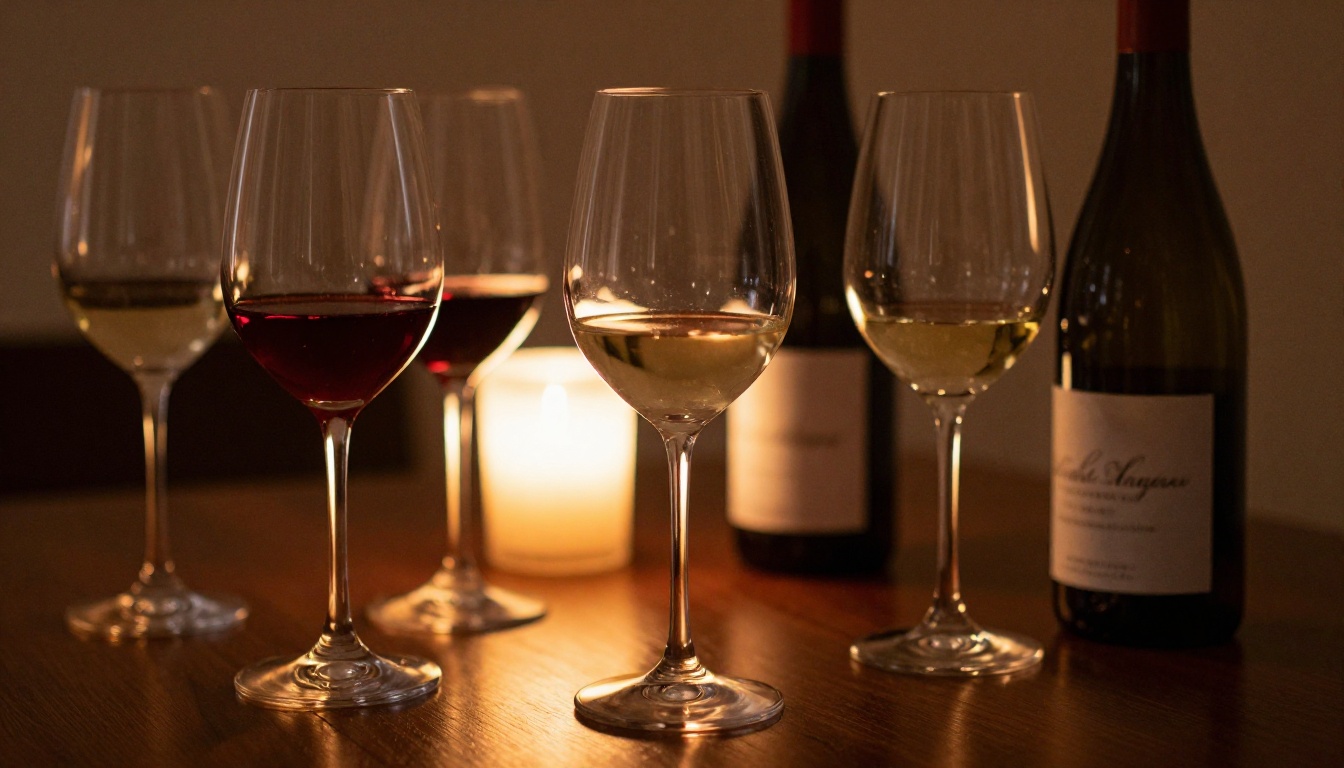
There is no middle ground with glassware. People either drink good wine from tumblers or spend $80 per stem on crystal they are afraid to use. Both are mistakes.
Zalto
The line from Austria has become the default recommendation among sommeliers and serious wine drinkers, and the reputation is earned. The glasses are mouth-blown, impossibly thin (the rim is barely perceptible against your lip), and shaped according to angles that the Zalto family derives from tilts of the Earth's axis — a claim that sounds like marketing but produces glasses that genuinely improve how wine tastes.
The Universal glass, at around $35-40 per stem, works for everything from Champagne to Barolo. The Bordeaux and Burgundy shapes are more specialized but worth owning if you drink those wines regularly. The downside: they break. Often. The thinness that makes them remarkable also makes them vulnerable. Budget for replacements. They are technically dishwasher safe, and many owners confirm this, but hand-washing extends their life.
Riedel
Riedel invented the concept of varietal-specific glassware and still dominates the commercial market. Their range is enormous — from the entry-level O series (stemless, around $15 each) to the Superleggero line (mouth-blown, $80+ per stem). The sweet spot is the Vinum series, machine-made but well-proportioned, at roughly $25-30 per glass.
The criticism of Riedel is that the brand pushes specialization too far. You do not need a different glass for Montrachet and Chablis. The Universal glass from Zalto, or Riedel's own Performance line, handles the full spectrum. Riedel's real value is in the mid-range: reliable, attractive, and replaceable without wincing.
Lobmeyr
For those who want glassware as object rather than instrument, the Viennese house of has been hand-crafting crystal since 1823. Their Patrician drinking set — designed in 1917, still in production — is one of the most refined pieces of glassware ever made. A single water goblet can cost $100-200. These are not wine glasses optimized for aroma delivery. They are beautiful things to drink from.
Lobmeyr makes sense as an accent: water glasses for a formal table, tumblers for spirits, or statement pieces for a bar cart. Pairing them with more functional wine stems (Zalto or Riedel) creates the kind of layered, considered table that feels effortless while being anything but.
Glassware Comparison
| Brand | Price Per Stem | Made | Best For | Fragility |
|---|---|---|---|---|
| Zalto Denk'Art | $35-65 | Mouth-blown, Austria | Wine service, serious drinking | High |
| Riedel Vinum | $25-30 | Machine-made, Germany | Everyday, reliable workhorse | Medium |
| Riedel Superleggero | $80+ | Mouth-blown, Austria | Premium alternative to Zalto | High |
| Lobmeyr Patrician | $100-200 | Hand-crafted, Vienna | Water, spirits, display | High |
Flatware: The Piece You Touch Most
Flatware is the only element of table setting that guests physically hold for the entire meal. Weight, balance, and finish matter more here than anywhere else — and the differences between brands are immediately apparent.
Christofle
The French silversmith has been the default for formal flatware since 1830. Their silver-plated collections — Perles, Malmaison, Albi — carry real heft and a slightly warm tone that stainless steel cannot match. A five-piece place setting in silver plate runs $300-600 depending on the pattern. Solid silver versions exist but start at several thousand per setting.
Christofle's silver plate requires maintenance: hand-washing, periodic polishing, and storage in tarnish-resistant cloth. For hosting dinner parties where the table itself is part of the experience, the effort pays off. For Tuesday night pasta, you want a second set of something simpler.
Puiforcat
Owned by Hermès since 1993, Puiforcat occupies the tier above Christofle — solid silver flatware with Art Deco-influenced designs that feel sculptural in the hand. The Cannes pattern is their most accessible line, but the real draw is their heavier, more architectural pieces. A single fork can cost $200-500 in solid silver.
This is flatware for collectors and serious entertainers. The weight alone sets it apart — a Puiforcat dinner knife feels like an instrument, not a utensil. The practical reality is that most owners reserve it for occasions and use something else day-to-day.
Cutipol
The Portuguese maker has become the most photographed flatware brand on social media, and with reason. The Goa collection — slim resin handles paired with thin stainless steel — is visually distinctive, lightweight, and available in dozens of color combinations. A five-piece setting costs around $70-90.
Cutipol's appeal is accessibility and style. The Goa line looks striking on a modern table and pairs well with both simple and ornate china. The trade-off is longevity: the resin handles can discolor over time, and the thin steel lacks the satisfying weight of silver plate. For daily use at a reasonable price point, it is hard to argue against. For a formal table, it can feel slightly light.
Flatware at a Glance
| Brand | Material | 5pc Setting | Weight | Maintenance |
|---|---|---|---|---|
| Cutipol (Goa) | Stainless/Resin | $70-90 | Light | Dishwasher safe |
| Christofle (Perles) | Silver plate | $300-600 | Substantial | Hand-wash, polish |
| Puiforcat (Cannes) | Solid silver | $1,000+ | Heavy | Hand-wash, polish |
Building a Collection That Actually Works
The instinct is to buy everything at once. Resist it. The best table collections are built over years, often decades, with pieces added as you find them and understand what works with what you already own.
Start with the plates. A set of twelve white or near-white dinner plates from Bernardaud, Legle, or a comparable maker gives you a foundation that works with anything. Add charger plates in a contrasting material — hammered brass, matte black ceramic, or woven rattan — for depth.
Next, glassware. Twelve Zalto Universal stems will handle ninety percent of what you pour. Add water glasses separately — Lobmeyr if you want a statement, simple Duralex Picardie tumblers if you want contrast. For the home bar, a set of rocks glasses and coupes from a different maker adds variety without clutter.
Flatware comes last because it is the easiest to add incrementally. Start with a set of Cutipol or mid-range Christofle for daily use. If formal entertaining matters to you, build a second set in silver plate or solid silver over time — buying a few place settings at a time from antique dealers or at auction.
The goal is not a perfectly coordinated table. It is a table that looks like someone who cares about food and company has been building it, piece by piece, for a long time.
What Survives Daily Use — and What Does Not
A few honest notes on durability, because no review of tableware is complete without them.
- Dishwasher safe (genuinely) — Bernardaud porcelain, Riedel Vinum glasses, Cutipol stainless steel flatware. These handle machine washing without visible degradation over years of use.
- Dishwasher safe (technically) — Zalto stems survive the dishwasher but break more easily during loading and unloading than during actual washing. Hand-wash if you value the glass more than the time.
- Hand-wash only — Astier de Villatte (the glaze will craze and chip faster with machine washing), all silver-plated flatware, Lobmeyr crystal, anything with gold or platinum trim.
- Show pieces — Puiforcat solid silver flatware, Hermès accent pieces, anything gilded or hand-painted. Use them for occasions. Enjoy them. But do not subject them to a Wednesday night stir-fry.
The most practical approach is two tiers: a daily set that can handle the dishwasher and a hosting set that comes out when the evening calls for it. If your kitchen renovation included proper cabinet storage and a gentle-cycle dishwasher, you can be more ambitious with daily pieces. If not, be realistic about what you will actually maintain.
Where to Buy
Direct from the brand is the obvious route — Bernardaud, Christofle, and Hermès all have comprehensive online stores and flagship boutiques. For Astier de Villatte, the original shop on Rue de Tournon in Paris is worth the visit; their pieces look and feel different in person than in photographs. In the US, ABC Carpet & Home and select boutiques carry them.
For vintage and discontinued patterns, The RealReal and 1stDibs carry authenticated pieces at significant discounts. Estate sales remain the best source for silver flatware — complete Christofle sets from the mid-twentieth century surface regularly and often sell for less than new production. Auction houses like Christie's and Bonhams run decorative arts sales several times a year where serious collectors find pieces that are no longer in production.
One advantage of building a collection slowly: you have time to wait for the right piece at the right price. The Bernardaud Ecume plate you want is always available new. The 1930s Puiforcat serving spoon that completes your set might take a year to find — and that is part of what makes it worth having.