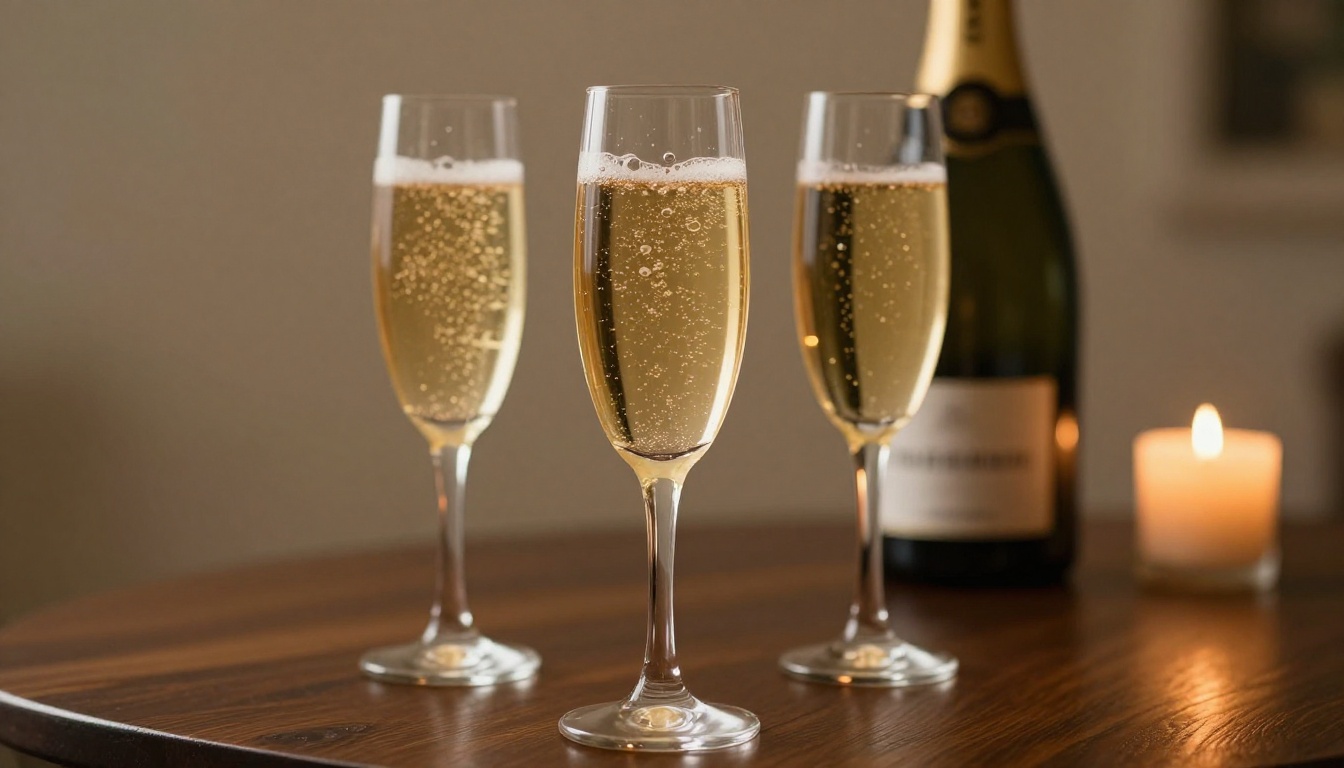
Dom Perignon is the champagne people order when they want everyone at the table to know they ordered champagne. It is also, to be fair, a genuinely excellent wine. But it occupies a peculiar position in the market: famous enough to be the default luxury choice, good enough to justify the price, yet rarely the bottle a sommelier would choose for their own table.
The world of serious champagne extends well beyond the familiar names. What follows is a guide to the houses and cuvees that deliver at every price point, from the $50 bottle that outperforms most $150 competitors to the $500 bottles that justify their cost without relying on brand recognition.
The Major Houses: What You Are Actually Buying
Prestige Cuvees Compared
| House | Prestige Cuvee | Price Range | Style | Ageing Potential |
|---|---|---|---|---|
| Krug | Grande Cuvee | $200-$250 | Rich, layered, oxidative depth | 15-20 years |
| Dom Perignon | Vintage | $200-$280 | Balanced, citrus, mineral precision | 10-15 years |
| Louis Roederer | Cristal | $250-$320 | Chalky, taut, slow-release complexity | 20+ years |
| Bollinger | R.D. | $200-$280 | Toasty, full-bodied, pinot-driven | 15-20 years |
| Taittinger | Comtes de Champagne | $180-$240 | Chardonnay elegance, floral, delicate | 10-15 years |
| Pol Roger | Cuvee Sir Winston Churchill | $200-$260 | Structured, dark fruit, power | 15-20 years |
| Salon | Blanc de Blancs | $400-$500 | Singular, austere, chardonnay purity | 25+ years |
Krug Grande Cuvee is the bottle I reach for most often, and it is not a vintage champagne. Krug blends reserve wines from multiple years to achieve consistency and depth, which means every release tastes like Krug rather than like a particular harvest. The result is a champagne with the richness of a great white Burgundy and the complexity of something that has been thought about for a very long time. At $200-$250, it delivers more pleasure per dollar than Cristal, though they are doing fundamentally different things.
Cristal rewards patience more than any other prestige cuvee. Drink it at release and you will enjoy a very good champagne. Drink it at fifteen years and you will understand why people build cellars. The chalky minerality tightens in youth and unfurls over a decade into something that makes conversation stop.
Salon is the outlier. Produced only in exceptional vintages, roughly eight times per decade, it is 100% chardonnay from Le Mesnil-sur-Oger and requires a minimum of ten years in bottle before it becomes approachable. Opening a young Salon is not merely a waste; it is actively unpleasant. Opening a twenty-year-old Salon is one of the most remarkable experiences available in wine. If you buy a bottle, hide it.
The Grower Champagnes: Where the Excitement Is
The most interesting development in champagne over the past two decades is the rise of grower producers, known as recoltant-manipulants (RM on the label). These are vignerons who grow their own grapes and make their own wine, as opposed to the grandes marques who purchase grapes from across the region and blend for consistency.
Grower Champagnes Worth Seeking Out
| Producer | Signature Bottle | Price Range | Village | Why It Matters |
|---|---|---|---|---|
| Jacques Selosse | Initial | $150-$200 | Avize | The godfather of grower champagne. Solera-aged, oxidative, polarising |
| Egly-Ouriet | Brut Tradition Grand Cru | $70-$90 | Ambonnay | Best value in serious champagne. Pinot noir depth at half the price |
| Pierre Gimonnet | Cuvee Gastronome | $45-$55 | Cuis | Extraordinary food champagne. Lean, mineral, endless energy |
| Cedric Bouchard | Roses de Jeanne | $60-$80 | Celles-sur-Ource | Single-vineyard, single-vintage, minimal intervention |
| Laherte Freres | Les Vignes d'Autrefois | $50-$65 | Chavot | Old-vine meunier. Texture and spice that redefines the grape |
| Agrapart | Venus | $120-$150 | Avize | Blanc de blancs from a single plot. Rivals Salon at a third of the price |
Egly-Ouriet Brut Tradition is the bottle I pour when I want to demonstrate what $80 can do. It spends longer on lees than most prestige cuvees, is disgorged with minimal dosage, and delivers a depth of flavour that makes most $200 champagnes seem like they are trying too hard. If you drink champagne regularly and have not tried Egly-Ouriet, you are overpaying for everything else in your cellar.
Jacques Selosse is champagne for people who have moved past champagne. The wines are aged in oak using a solera system, which gives them a colour and intensity that looks nothing like conventional champagne. They are controversial: critics either place them among the greatest wines in the world or dismiss them as oxidised curiosities. There is no middle position. You should try a bottle and decide for yourself, because reading about Selosse is useless. The wine demands a physical reckoning.
What to Drink When
Champagne for Every Occasion
| Occasion | Recommendation | Budget |
|---|---|---|
| Tuesday night, no reason | Gimonnet Cuvee Gastronome or Laherte Les Vignes d'Autrefois | $45-$65 |
| Dinner party (impressing guests) | Krug Grande Cuvee or Bollinger R.D. | $200-$280 |
| Dinner party (impressing yourself) | Egly-Ouriet Brut Tradition Grand Cru | $70-$90 |
| Celebration | Cristal or Comtes de Champagne | $180-$320 |
| Gift for someone knowledgeable | Salon or Jacques Selosse Initial | $150-$500 |
| Gift for someone who knows Dom Perignon | Dom Perignon (they will enjoy it) | $200-$280 |
| Pairing with oysters | Gimonnet or Agrapart Terroirs | $45-$80 |
| Pairing with truffle dishes | Krug or Bollinger R.D. | $200-$280 |
The most important thing about champagne is that it should be opened. A bottle ageing in your cellar is an investment in future pleasure, but a bottle you never open because you are waiting for the right occasion is a bottle you do not own. The right occasion is any evening where you want to drink something that someone spent years making. That occasion is tonight.
Looking for luxury brands, stores, and services? Browse our curated directory: