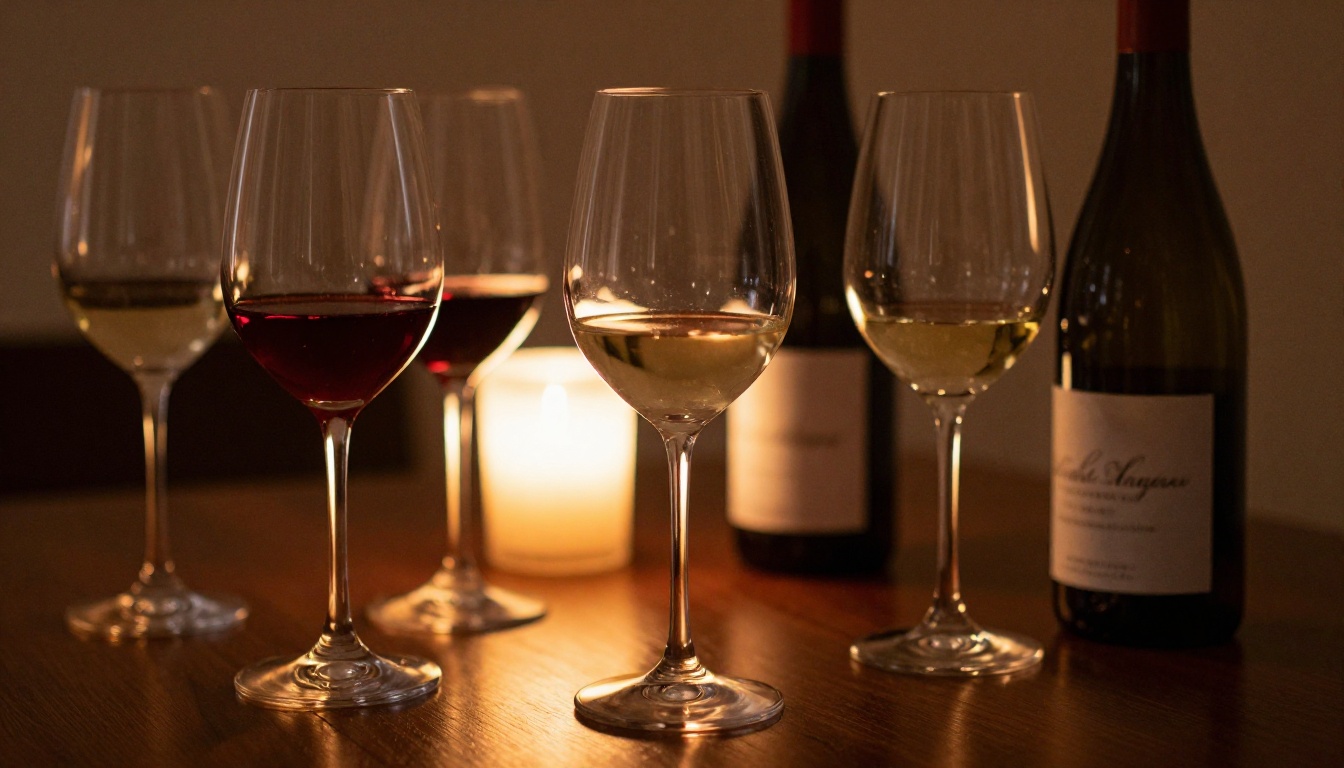
At the end of a shift pouring $400 bottles of Burgundy for tables of eight, most sommeliers go home and open something that costs a fraction of what they just served. Not because they cannot afford better — many receive industry pricing and allocations that would make collectors envious — but because deep product knowledge changes what "better" means. When every week involves tasting dozens of wines blind, the bottles that earn a place on the home shelf tend to come from regions and producers that deliver disproportionate quality for their price.
Industry surveys, published interviews, and trade publications paint a remarkably consistent picture. The professionals who know wine best consistently gravitate toward a handful of under-the-radar regions and specific producers, while viewing several prestige categories as overpriced relative to what is actually in the glass. The pattern reveals something useful for anyone building a wine collection: expertise tends to push drinkers away from famous labels and toward specific terroirs.
The Regions Sommeliers Keep Coming Back To
Certain wine regions appear with striking frequency when professionals discuss what they drink off-duty. These are not obscure picks for the sake of being contrarian — each has a specific reason the trade gravitates there, typically involving volcanic or unusual soils, old vines, and winemaking traditions that have resisted homogenization.
Jura, France
The Jura sits in the foothills between Burgundy and Switzerland, producing roughly 2% of France's total wine output. Its signature grape, Savagnin, and its oxidative winemaking tradition (vin jaune spends a minimum of six years and three months under a film of yeast called the voile) produce wines that taste like nothing else. Sommeliers consistently cite producers like Jean-François Ganevat, Domaine de la Pinte, and Stéphane Tissot. A top-tier Jura bottle from any of these rarely exceeds $50, and entry-level Crémant du Jura can be found for $15-20 — sparkling wine that professionals regularly prefer over Champagne costing three times as much.
Canary Islands
Volcanic soils, ungrafted pre-phylloxera vines (some over 200 years old), and altitude up to 1,700 meters. The Canary Islands have become one of the most talked-about regions among professionals. Listán Negro and Listán Blanco — grapes virtually unknown outside the islands — produce wines of startling minerality and freshness. Key producers include Envínate (whose Taganan wines have become cult favorites among sommeliers), Borja Pérez, and Suertes del Marqués. Most bottles land between $20 and $45.
Etna, Sicily
Mount Etna's volcanic slopes produce Nerello Mascalese reds that regularly draw comparisons to Burgundy in published reviews — translucent color, high acidity, fine tannins, and a mineral intensity that reflects the lava-derived soils. The comparison is not entirely fair to either region, but the price gap is enormous. A village-level Etna Rosso from producers like Passopisciaro, Benanti, or Graci runs $25-40. A comparably complex village-level Burgundy from Gevrey-Chambertin or Volnay starts at $60 and climbs quickly to $150. Professionals note that Etna's north-facing contrade (named vineyard sites) are developing a classification system that, within a decade, may formalize what the trade already recognizes: site-specific wines of genuine distinction at a fraction of Burgundy prices.
Swartland, South Africa
South Africa's Swartland region, roughly an hour north of Cape Town, has become what the trade calls "the most exciting New World wine region." Old-vine Chenin Blanc (some plantings from the 1960s) and Syrah-based blends from producers like Mullineux, Sadie Family Wines, and AA Badenhorst have built serious critical reputations. Eben Sadie's Columella, widely considered one of the finest wines produced outside Europe, rarely exceeds $80 — less than entry-level Côte-Rôtie from a comparable producer's prestige bottling.
Average Bottle Price by Sommelier-Favored Region
The Categories Professionals Consider Overpriced
Professional sommeliers are often remarkably candid in trade publications about what they consider poor value. Several patterns emerge consistently across surveys from organizations like the Court of Master Sommeliers and Somm Journal.
Napa Valley Cabernet Above $100
Napa produces genuinely world-class Cabernet Sauvignon. Few in the trade dispute that. What professionals question is the pricing tier above $100, where the gap between a $120 bottle and a $350 "cult" bottling often reflects marketing, allocation scarcity, and critical scores more than a commensurate leap in quality. Several widely published blind tastings have demonstrated that experienced tasters struggle to reliably distinguish $80 Napa Cabernets from $300 ones. The wines scoring 97-100 points from major critics are not necessarily three times better than those scoring 93 — but they are often three times the price.
Entry-Level Champagne from Prestige Houses
The non-vintage bruts from the largest Champagne houses — the bottles that dominate restaurant wine lists and retail shelves — are frequently cited by professionals as poor value. These NV blends, typically priced $45-65, compete against grower Champagnes (récoltant-manipulant, marked "RM" on the label) that cost the same or less while offering more personality and site expression. Producers like Pierre Gimonnet, Laherte Frères, and Jérôme Prévost consistently appear on sommelier recommendation lists over the large-house equivalents.
Trophy Burgundy at Auction Prices
Even sommeliers who adore Burgundy — and most do — acknowledge that the secondary market for top domaines has detached from drinking value. A bottle of Domaine de la Romanée-Conti that traded for $1,500 fifteen years ago now fetches $5,000-15,000 depending on the vintage and specific vineyard. The wine is extraordinary. It is not ten times more pleasurable than a $150 premier cru from a skilled producer like Domaine Roulot or Domaine Leflaive. Professionals consistently recommend exploring the less famous villages — Auxey-Duresses, Saint-Romain, Marsannay — where talented producers deliver genuine Burgundy character at $30-60.
Prestige vs. Professional Pick: What the Trade Prefers
| Category | Prestige Pick | Typical Price | Sommelier Alternative | Typical Price |
|---|---|---|---|---|
| Burgundy Red | DRC, Leroy | $2,000-15,000 | Auxey-Duresses, Saint-Romain | $30-60 |
| Champagne NV | Moët, Veuve Clicquot | $45-65 | Grower RM Champagne | $35-55 |
| Napa Cabernet | Screaming Eagle, Opus One | $300-3,000 | Ridge Monte Bello, Mayacamas | $80-150 |
| Barolo | Giacomo Conterno, Gaja | $200-600 | Burlotto, G.D. Vajra | $40-70 |
| Bordeaux | First Growths | $500-2,000 | Fronsac, Lalande-de-Pomerol | $20-40 |
The Producers That Keep Appearing
Beyond regions, specific producers come up repeatedly in sommelier surveys and trade interviews. These are names the trade respects for consistency, transparency of winemaking, and a quality-to-price ratio that makes them reliable choices rather than gambles.
- Marcel Lapierre (Morgon, Beaujolais) — The late Lapierre is widely credited with proving that Beaujolais Cru wines deserve a place alongside serious Burgundy. His Morgon, now produced by his children, remains the benchmark for natural Gamay: precise, bright, and structured enough to age five to eight years. Around $25-30.
- Clos Cibonne (Provence) — While most Provence rosé is made for poolside consumption, Clos Cibonne's Tibouren-based rosé is a wine of genuine substance and complexity, fermented in old demi-muids. It ages. Professionals respect it as the antithesis of industrialized pink wine. $20-30.
- López de Heredia (Rioja, Spain) — The bodega releases wines only when they consider them ready, which means the current-release Viña Tondonia Reserva spent six years in barrel and several more in bottle before reaching the market. The result is mature, complex wine at $30-45 that tastes like something costing considerably more from Burgundy or Barolo.
- Domaine de la Garrigue (Vacqueyras, Rhône) — Old-vine Grenache from the southern Rhône that consistently over-delivers. The trade treats Vacqueyras as a quieter, more affordable alternative to Châteauneuf-du-Pape, and this producer epitomizes why. $18-25.
- Donnafugata (Sicily) — Their range covers everything from everyday Nero d'Avola to the remarkable Ben Ryé Passito di Pantelleria, a dessert wine made from sun-dried Zibibbo grapes on a volcanic island. The breadth of quality at every price point — from $15 to $70 — makes them a trade favorite across categories.
Spirits: What Bartenders Reach for After Hours
The same dynamic applies behind the bar. Professional bartenders at top establishments consistently report that their personal drinking habits skew toward specific categories that the general market undervalues. Anyone building a serious home bar will recognize some of these patterns.
Mezcal over premium tequila is perhaps the most consistent preference. While tequila's celebrity-brand boom has driven prices upward (often with additive-laden products that trade professionals quietly dismiss), small-batch mezcal from producers like Del Maguey, Real Minero, and Tosba offers genuine artisanal production — clay-pot distillation, wild agave, village-specific terroir — at $40-80 for bottles of startling complexity. Bartenders note that the agave category's value sits decisively on the mezcal side.
Amaro and bitter liqueurs are another professional favorite. The Italian bitter tradition — Campari, various amari from producers like Nonino, Averna, and Montenegro — offers flavor complexity at $20-35 per bottle that extends across dozens of cocktail applications. Professional bartenders also consistently cite Japanese whisky as a category where prices have outrun quality. The allocation-driven frenzy around Yamazaki, Hakushu, and Hibiki has pushed bottles to secondary-market prices that the liquid, however refined, does not always justify. The trade's alternative: explore producers from Chichibu, Mars Shinshu, and the newer wave of Japanese craft distillers, or turn to Scotch single malts from less fashionable regions like Campbeltown or the Lowlands, where quality remains high and prices have not inflated as dramatically.
Sommelier-Favored Wine Regions: Value Score
What the Pattern Reveals
Several themes run through professional drinking preferences, and they are consistent enough to be instructive rather than anecdotal.
First, professionals overwhelmingly favor terroir-driven wines over brand-driven ones. The regions they gravitate toward — Jura, Etna, Canary Islands, Swartland — share a common thread: distinctive soils (often volcanic or limestone), indigenous grape varieties, and winemaking that prioritizes site expression over market appeal. These wines taste like somewhere specific. That matters to a palate trained to evaluate distinctiveness.
Second, there is a clear preference for producers who resist standardization. The winemakers and distillers professionals admire tend to be stubborn about tradition (López de Heredia aging wines for a decade before release), unconventional in method (Jura's oxidative winemaking), or working with raw materials that cannot be replicated at scale (pre-phylloxera ungrafted vines in the Canaries). These are not marketing stories — they produce wines that taste measurably different from mass-produced equivalents.
The trade's consistent message is not that expensive wine is bad. It is that the correlation between price and quality breaks down sharply above a certain threshold — and that threshold is lower than most consumers assume.
Third, the price sweet spot for professionals is remarkably consistent: $25-50 for wine, $40-80 for spirits. Below that range, quality becomes inconsistent. Above it, the returns diminish rapidly unless a buyer is specifically seeking age-worthy bottles or historically significant producers. For anyone spending $100 or more per bottle regularly, the sommelier data suggests reallocating some of that budget toward more bottles from undervalued regions rather than fewer bottles from prestigious ones.
Putting It Into Practice
The practical takeaway is straightforward. Anyone interested in drinking well — not expensively, but well — can borrow from how the trade operates. Start with the regions listed above. Try one bottle from each and compare it against something costing twice as much from a more famous appellation. The exercise is educational, and the results are frequently surprising.
For restaurants, the same logic applies to the best dining cities. The strongest wine lists in the world are built by sommeliers who stock exactly these kinds of producers alongside the prestige names. When a sommelier recommends an unfamiliar region or producer, the smart move is to take that suggestion. They are not trying to sell the obscure bottle — they are sharing what they would drink themselves.
Quick-Reference: Sommelier Staples by Category
| Category | Region/Style | Key Producers | Price Range |
|---|---|---|---|
| White | Jura Savagnin | Ganevat, Tissot, Domaine de la Pinte | $25-50 |
| White | Loire Chenin Blanc | Huet, Foreau (Clos Naudin) | $25-45 |
| Red | Etna Rosso | Passopisciaro, Benanti, Graci | $25-40 |
| Red | Beaujolais Cru | Lapierre, Foillard, Breton | $20-35 |
| Red | Swartland Syrah | Mullineux, Sadie Family | $30-80 |
| Sparkling | Crémant du Jura | Domaine Labet, Tissot | $15-25 |
| Sparkling | Grower Champagne | Gimonnet, Laherte, Prévost | $35-55 |
| Spirit | Mezcal | Del Maguey, Real Minero | $40-80 |
| Spirit | Amaro | Nonino, Montenegro, Averna | $20-35 |
The bottles professionals drink at home are rarely the ones they pour at work. That disconnect is not hypocrisy — it is the natural result of deep knowledge applied to personal preference rather than customer expectation. The lesson is worth borrowing: drink with curiosity, favor specificity over prestige, and let the label matter less than what the soil and the producer actually put in the glass.