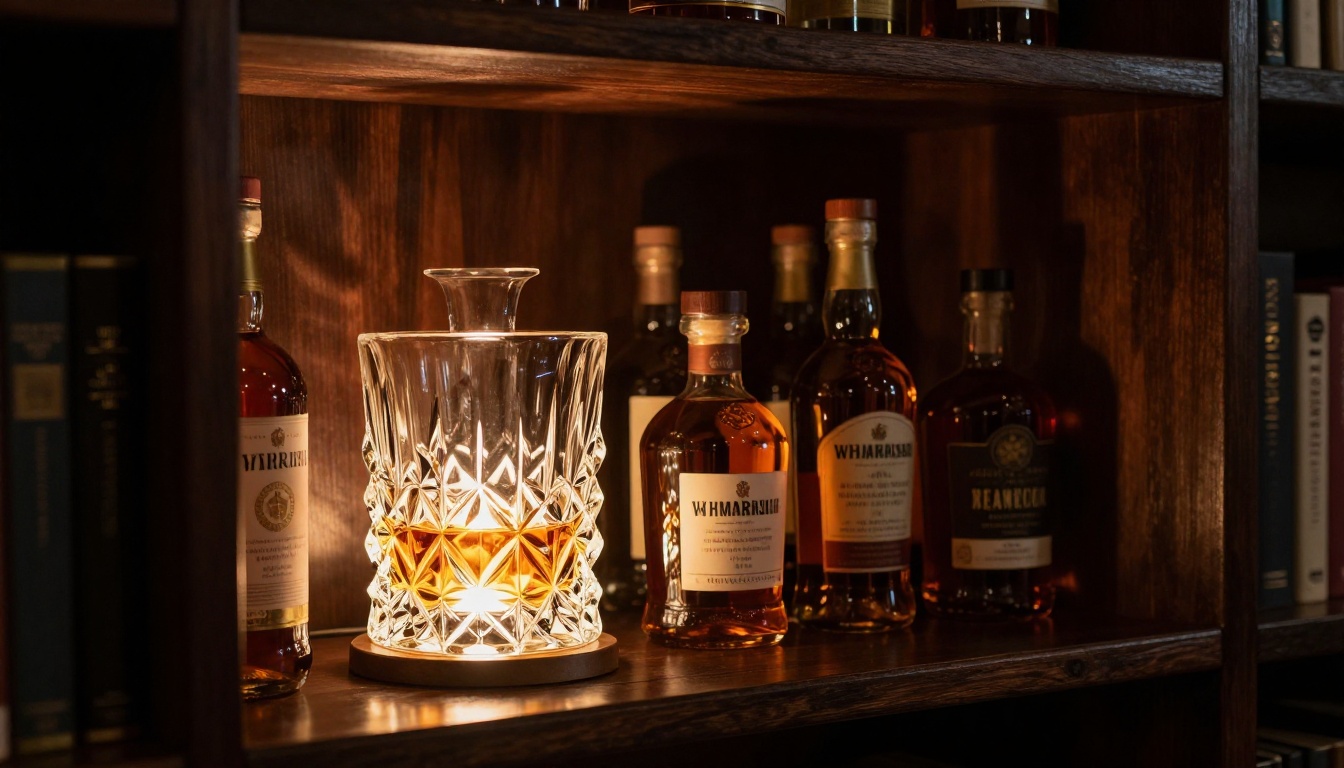
You already know your Speyside from your Islay, your single malt from your blend. You have a handful of bottles on a shelf somewhere and a growing suspicion that you should be more deliberate about what you buy. This guide is for that moment — the point where casual appreciation tips into genuine collecting, and a random assortment of bottles becomes a library with purpose.
The goal is a collection of 20 to 40 bottles that covers every drinking occasion, from a Tuesday nightcap to a celebration worth remembering. Some of these bottles you will open regularly. Others you will hold, watch appreciate, and sell or drink when the time feels right. The sweet spot is a collection that works both as a drinks cabinet and as an asset class.
The Foundation: Daily Drinkers That Earn Their Place (£50–200)
Every serious collection starts here — bottles you reach for without hesitation and replace without regret. These are not afterthoughts. A weak foundation means the expensive bottles above them carry the entire burden of justifying the shelf, and that is no way to drink.
From Speyside, start with the Macallan 12 Sherry Oak (~£65), which remains the benchmark sherry-matured malt at this price. It delivers dried fruit, ginger, and oak without the tannic roughness that plagues cheaper sherry cask releases. Alongside it, the Glenfiddich 18 (~£85) offers something more restrained — baked apple, toasted oak, a long, dry finish that rewards patience.
Islay demands two seats. The Lagavulin 16 (~£75) is the smoky malt that converts sceptics. Rich, maritime, with a sweetness beneath the peat that develops over twenty minutes in the glass. The Ardbeg Uigeadail (~£65) is its more aggressive counterpart — cask-strength peat layered with dark chocolate and espresso from ex-sherry barrels. Together they cover the full spectrum of Islay character.
For Highland representation, the Oban 14 (~£55) punches well above its price with a coastal, honeyed profile that sits between regions. The Dalmore 15 (~£80) leans richer, with orange marmalade and baking spice from its multiple cask finishes. Both are versatile enough to serve to someone who has never tried Scotch and interesting enough for someone who has tried hundreds.
Japanese whisky has earned permanent shelf space. Nikka From The Barrel (~£35) is blended whisky at 51.4% ABV that drinks like something three times the price — dense, fruity, and deceptively complex. The Hibiki Harmony (~£65) is smoother, more floral, with a finish that fades like incense. These two bottles together demonstrate why Japan's approach to blending deserves the same respect as Scotland's single malt tradition.
Finally, bourbon. The Blanton's Single Barrel (~£70) has become harder to find at retail, but the liquid justifies the hunt — caramel, vanilla, a hint of cinnamon, with the depth that single barrel selection brings. The Woodford Reserve (~£35) is the workhorse: reliable, balanced, and the best Old Fashioned base at this price point. Budget roughly £550–700 for this foundation tier, and you will have a collection that handles any evening without reaching for the mid-shelf.
The Mid-Shelf: Bottles That Demand Your Attention (£200–800)
This is where a collection develops personality. Every bottle here should make you pause before pouring — not because it is too expensive to drink, but because it is good enough to deserve your full attention.
The GlenDronach 21 Parliament (~£250) is the sherry bomb against which all others are measured. Twenty-one years in Oloroso and PX casks produce a whisky so saturated with dark fruit, bitter chocolate, and leather that it borders on dessert. It is unapologetically intense. If you pour this for someone and they don't react, check their pulse.
From Campbeltown — a region with only three operating distilleries and an outsized reputation — the Springbank 15 (~£200) is essential. It combines the oily, slightly funky character of Springbank's partial peat malting with dried fruit sweetness and a maritime salinity. The distillery's insistence on floor malting and manual production gives every bottle a handmade quality that factory-scale operations cannot replicate.
The difference between a good collection and a great one is not the most expensive bottle on the shelf. It is whether every bottle between £200 and £800 tells a story the foundation tier cannot.
Japanese whisky at this level means the Yamazaki 12 (~£350 if you find it at retail), which has become almost absurdly difficult to source at recommended price. The whisky itself — strawberry, white peach, sandalwood, and Mizunara oak influence — is superb, though the secondary market premium can be painful. Buy at retail or not at all.
Ireland contributes the Redbreast 21 (~£250), a single pot still whiskey that dismantles any lingering prejudice about Irish spirits being lighter or simpler than their Scottish counterparts. It is layered with tropical fruit, marzipan, and a persistent spice that builds across the palate. Twenty-one years of maturation give it a gravitas that the excellent 12-year and 15-year bottlings only hint at.
The Highland Park 25 (~£500) is an exercise in balance — heather honey, gentle peat smoke, dried orange, and the kind of oak integration that only extended maturation achieves. It is an Orkney whisky that never shouts but always commands the room. Alongside it, the Balvenie 21 Portwood (~£350) finishes in port pipes that give it a dessert-like quality: plum jam, vanilla custard, and a finish sweet enough to replace the cheese course. These six bottles, totalling roughly £1,900, form the heart of a serious collection.
The Investment Shelf: Bottles That Appreciate While They Age (£1,000+)
Here the calculus shifts. These bottles are chosen not only for what is inside them but for their trajectory on the secondary market. Every one of them has a track record of price appreciation, and the fundamentals behind that appreciation — closed distilleries, limited supply, global demand — show no sign of reversing.
The Macallan 18 Sherry Oak (~£350–400 at release) is the most accessible entry point. Macallan's sherry cask programme, combined with relentless global brand building, means older vintages appreciate reliably. A bottle from the early 2000s can fetch £800–1,200 at auction today. Buy the current release, store it properly, and the trend line does the work.
Karuizawa is the most collectible distillery on earth. Closed in 2000, demolished in 2016, its remaining stock has been bottled in limited batches that sell for £2,000 to well over £50,000 depending on vintage and bottler. The liquid — intensely sherried, concentrated Japanese single malt — is exceptional, but the real driver is scarcity that can only increase. If you find a bottle at any price you can stomach, buy it.
Port Ellen annual releases from Diageo's Special Releases series routinely sell for £3,000 and above. The Islay distillery closed in 1983, and while Diageo has reopened it, the new spirit will not be mature for years — and will never carry the mythology of the original stock. The annual releases, now running low, are modern collectibles with auction records that trend in one direction.
A whisky collection that only appreciates in value is a portfolio, not a collection. Drink some of it. The bottles that matter most are the ones that become memories, not line items.
The Springbank Local Barley editions (~£500–2,000) are annual limited releases using barley grown on a single Campbeltown farm. They have developed a cult following among collectors who value provenance and traceability. Recent editions have doubled in value within twelve months of release. Finally, Brora (£1,500+) serves as the Highland counterpart to Port Ellen — closed in 1983, reopened in 2021, with remaining old stock carrying the kind of premium that comes from four decades of scarcity. Budget £5,000–10,000 for three to five bottles in this tier, and you hold assets that have outperformed most traditional investments over the past decade.
Storage, Insurance, and Knowing When to Sell
Whisky is more forgiving than wine, but careless storage still destroys value. Keep bottles upright — never on their side. Unlike wine, prolonged cork contact with high-proof spirit degrades the cork, risks leakage, and can taint the whisky. Store at 15–18°C in a space with consistent temperature and no direct sunlight. A cupboard in an interior room works fine. There is no need for humidity control; whisky sealed in glass is indifferent to ambient moisture.
Once your collection exceeds £10,000 in value, standard home insurance becomes inadequate. Most household policies cap spirits coverage at around £1,000 — nowhere near enough for a serious collection. Specialist insurers like CGI and Hiscox offer policies tailored to spirits collections, covering breakage, theft, and accidental damage at replacement value. Get an independent valuation annually and keep photographic records of every bottle, including fill level and label condition.
When the time comes to sell, the UK auction market is the most liquid in the world for whisky. Whisky Auctioneer, Scotch Whisky Auctions, and Bonhams are the three major platforms, each with a global buyer base. Expect a buyer's premium of 15–20% on top of the hammer price — this is paid by the buyer, but it affects bidding behaviour and effective realisation. The best months to sell are October through December, when gift-season demand peaks and collectors are willing to pay premiums for bottles they need before Christmas.
Provenance matters at auction. Bottles stored in original packaging, with receipts or proof of purchase, and in verifiably good condition command meaningful premiums over loose bottles of the same vintage. Treat your investment bottles as you would any physical asset: documented, insured, and stored with care.
Building With Intention
A 20 to 40 bottle collection built along these lines — ten foundation bottles, six mid-shelf selections, and three to five investment pieces — will cost roughly £8,000–12,000 at current retail. That is a significant outlay, but it is also a collection that covers every drinking mood from casual to ceremonial, spans five countries and a dozen distilleries, and holds real financial value in its upper tiers.
The foundation gets opened and replenished. The mid-shelf gets opened slowly and savoured. The investment shelf sits, appreciates, and waits for the right moment — whether that moment is an auction house or a night worth remembering. A collection built with this kind of structure is not just bottles on a shelf. It is a library of flavour, geography, and time, and every bottle in it has earned its place.
Looking for luxury brands, stores, and services? Browse our curated directory: