The elevator opens on the 33rd floor of Otemachi Tower and you step into what feels like a temple that happens to have a front desk. A 30-meter camphor wood wall rises on your left. Two arrangements of ikebana — seasonal, changed weekly — sit in recessed alcoves. The ceiling soars. There is no music. No one approaches you immediately. This is the Aman Tokyo, and the silence is the first thing you're paying for.
With only 84 rooms across seven floors, the Aman Tokyo is absurdly small for a luxury property in one of the world's most expensive cities. The Ritz-Carlton Tokyo, by comparison, has 245 rooms. The Palace Hotel Tokyo has 290. That difference shapes everything about a stay here, from the staff-to-guest ratio to the noise level in the corridors at 11 PM. If you're choosing between the top tier of Tokyo hotels, the question isn't which one is "best" — it's which philosophy of luxury actually matches what you want from five nights in the city.
The Rooms: Washi Paper, Hinoki Wood, and Radical Simplicity
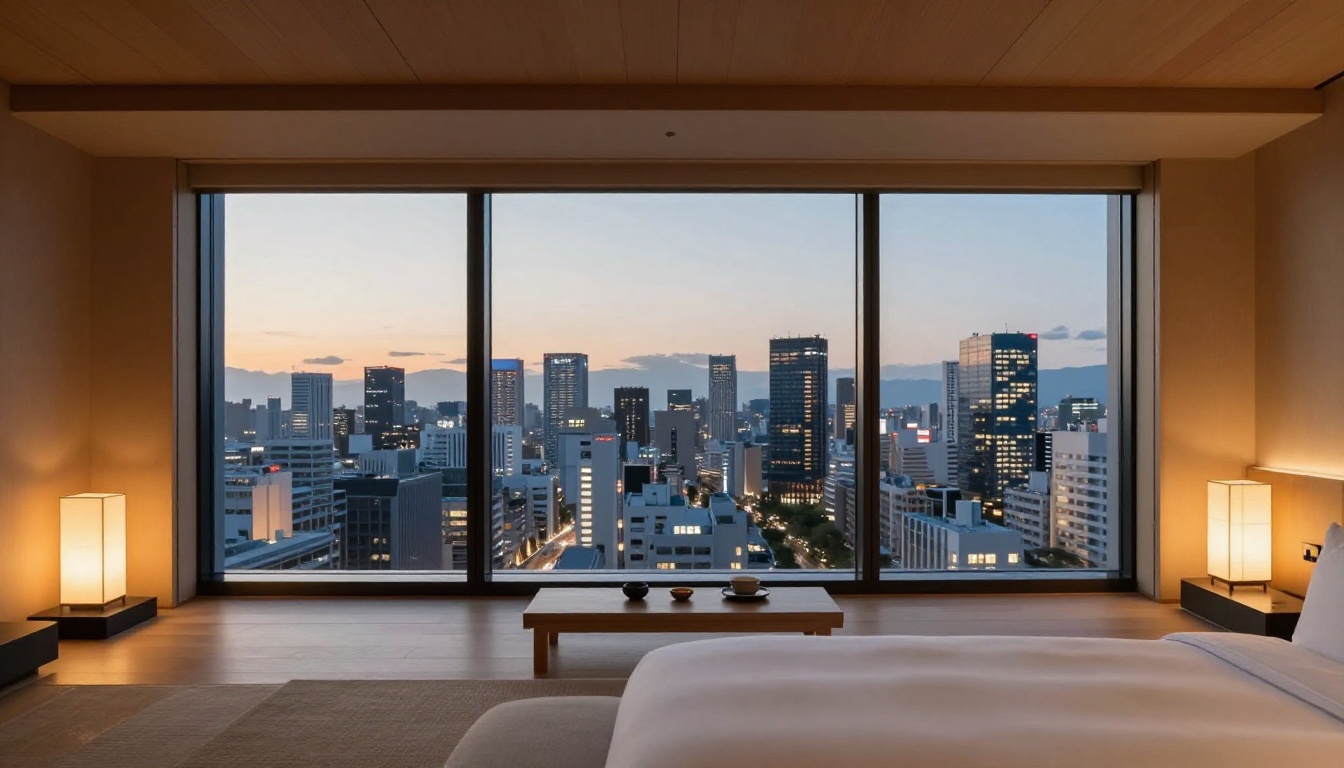
Premier rooms start around $1,500 per night and measure 71 square meters — roughly twice the size of a standard room at the Palace Hotel. The layout borrows from ryokan design: a genkan-style entryway, shoji-inspired washi paper screens that slide to separate the sleeping area from the living space, and a freestanding hinoki wood soaking tub in the bathroom. Floor-to-ceiling windows run the full length of the room, and if you're on the Imperial Palace side, you're looking directly over the gardens and moat from 200 meters up.
There is no Aman logo anywhere in the room. No branded slippers, no embossed stationery, no minibar menu with a gold crest. The closets are finished in raw timber. The bath amenities are unbranded and made in-house. This is Adrian Zecha's founding principle from 1988 carried forward: the hotel should feel like a private residence, not a brand experience. You either find this deeply appealing or vaguely unsettling.
Suites begin around $3,000 and run up to the Aman Suite at roughly $8,000 per night, which occupies a corner position with panoramic views across both the Imperial Palace and the Marunouchi skyline. The suite adds a full kitchen, a separate study, and a deep soaking tub positioned directly beside the window. At that price point, you're also getting a dedicated concierge who handles everything from restaurant bookings to private temple visits outside the city.
The absence of branding is a deliberate statement: at this price, you shouldn't need to be reminded where you are.
The Spa, Restaurants, and the Spaces Between
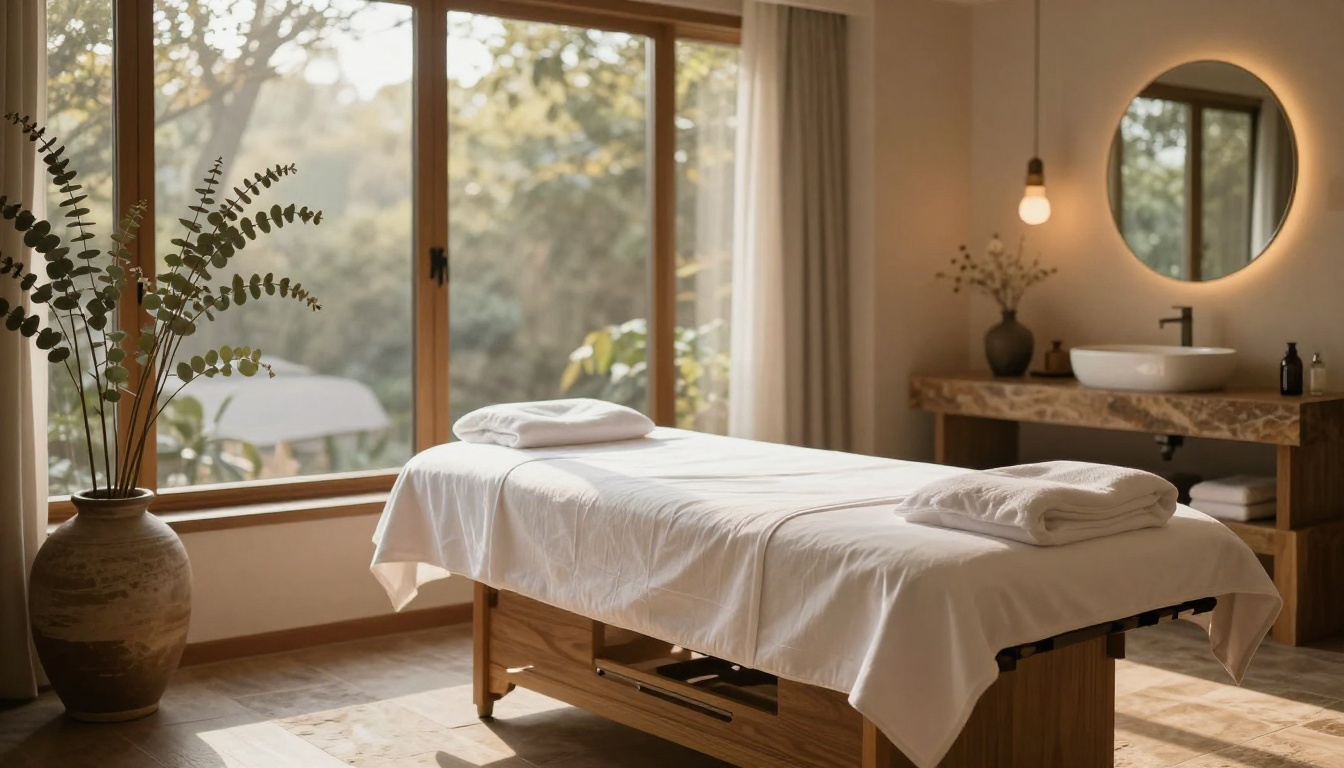
The spa occupies 2,500 square meters across two floors and is built around an onsen-style bathing concept — rare for a Western-managed hotel in Tokyo. There are two large communal baths (separated by gender), a 30-meter indoor swimming pool with views north over the city, and eight treatment rooms. The bathing ritual follows traditional Japanese form: you wash thoroughly before entering the hot pool, and the whole process is designed to take 90 minutes minimum. Treatments lean heavily on shiatsu and Thai bodywork rather than the generic Swedish massage menu you find at most five-star spas.
The dining operation is split between two venues. Musashi, on the ground level, serves an Italian-Japanese fusion menu that sounds like a marketing exercise but actually works — the kitchen is run by a team that rotates between Aman properties, and the pasta program uses Japanese wheat flour with Italian technique. The Aman Café, adjacent to the lobby on 33, takes a kaiseki-inspired approach to lighter meals, with a seasonal tasting menu that changes monthly. Neither restaurant is destination dining in the way that, say, the Palace Hotel's Esterre is. They exist to serve guests who don't want to leave the building, and they do that well.
What fills the gaps matters here. The library, also on 33, stocks roughly 3,000 volumes — a mix of art books, Japanese literature in translation, and travel writing — and serves as an informal lounge throughout the day. The cigar lounge is small, wood-paneled, and stocks a focused selection of Cuban and Dominican cigars. Private dining rooms can be booked for kaiseki meals prepared by a dedicated chef, and these are genuinely private — not a roped-off corner of the main restaurant.
The Aman Philosophy vs. the Competition
The sitting atop the Midtown Tower in Roppongi, is the obvious competitor. It has larger rooms on average, a Michelin-starred French restaurant in Hinokizaka, and the full Marriott Bonvoy loyalty apparatus behind it. If you stay frequently at luxury hotels worldwide and value points, status tiers, and suite upgrades, the Ritz-Carlton is the rational choice. The across from the Imperial Palace in Marunouchi, offers a more traditionally Japanese luxury experience with exceptional service and arguably the best location for business travelers. Its evian SPA is also outstanding.
Aman runs no loyalty program. There are no points to earn, no tiers to climb, no co-branded credit card. The company's position is that repeat guests are recognized and rewarded individually by staff, not by an algorithm. In practice, this means your third stay will feel different from your first — but you won't get an email offering you double points on your birthday. For travelers who move between Four Seasons, Ritz-Carlton, and Rosewood properties collecting status, this is a genuine drawback. For those who find the entire loyalty ecosystem exhausting, it's a relief.
Aman's 84 rooms mean you will never wait for an elevator, never hear a crowd at breakfast, and never share the pool with more than two other guests.
The "less is more" philosophy extends to the physical design. Where the Ritz-Carlton fills its lobby with floral displays and art installations, Aman uses negative space. The corridors are wide and bare. The lighting is low and warm. Every material — stone, wood, paper — is chosen to age well, not to impress on arrival. The architect Kery Hill, who designed most of Aman's Asian properties before his death in 2018, described it as "architecture that gets out of the way." That either resonates with you or it doesn't, and there's no point pretending otherwise.
Who This Is Actually For
The Aman Tokyo makes the most sense for a specific kind of traveler: someone who has stayed at the Ritz-Carltons and Four Seasons of the world, found them competent but slightly generic, and wants something that feels less like a hotel and more like a very expensive apartment with staff. The lack of branding, the quietness, the Japanese spatial design — these are features, not limitations, but only if you already know that about yourself.
If you're visiting Tokyo for the first time and want a central location with easy access to Ginza, Tsukiji, and the main shopping districts, the Palace Hotel is probably the better choice. If you want a commanding view, a full-service Western luxury experience, and the Roppongi nightlife corridor nearby, the Ritz-Carlton delivers that. The Aman is for your second or third trip to Tokyo, when you've done the sightseeing and want five days of quiet in a building that respects silence as much as you do.
At $2,000 a night for the entry-level room, you're paying a premium over both competitors. What that premium buys is scale — 84 rooms instead of 250 — and a design philosophy that trusts you to appreciate restraint. Whether that's worth the surcharge depends entirely on what you think luxury is supposed to feel like.
Looking for luxury brands, stores, and services? Browse our curated directory: