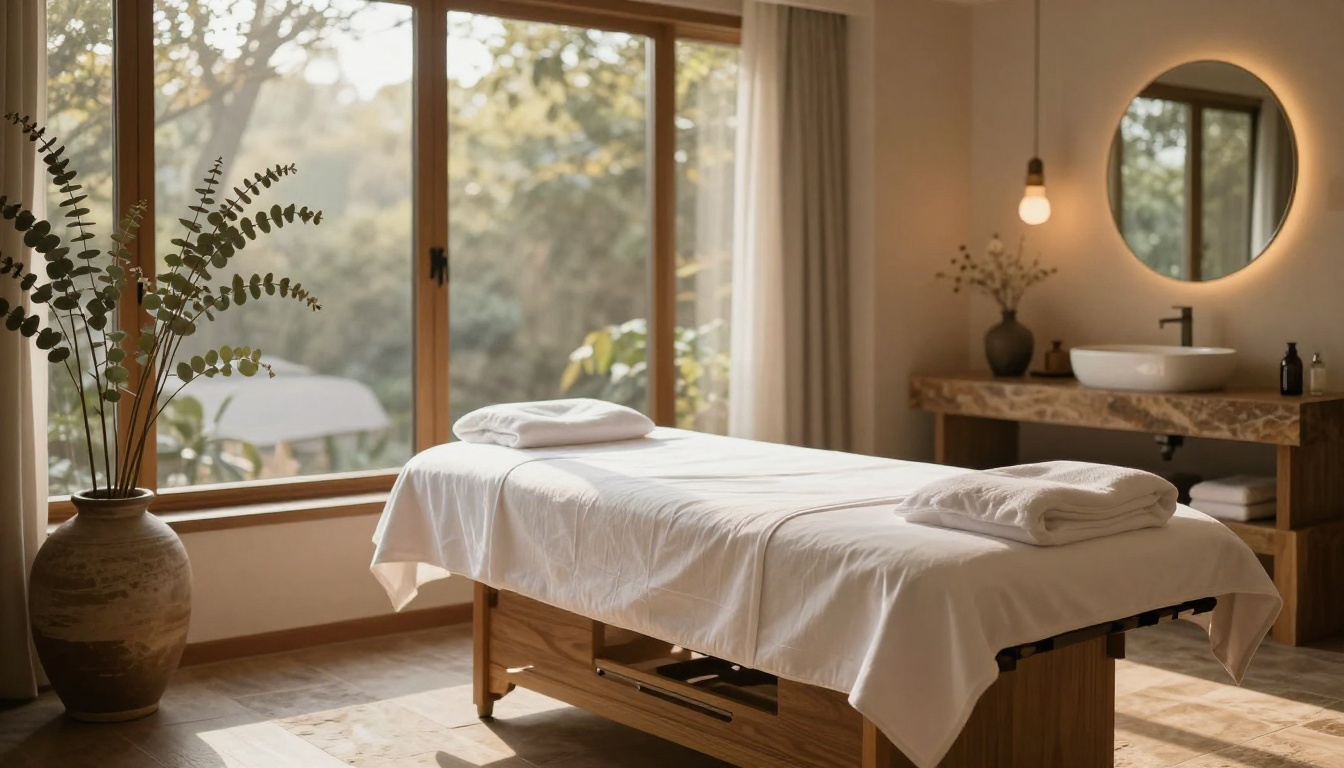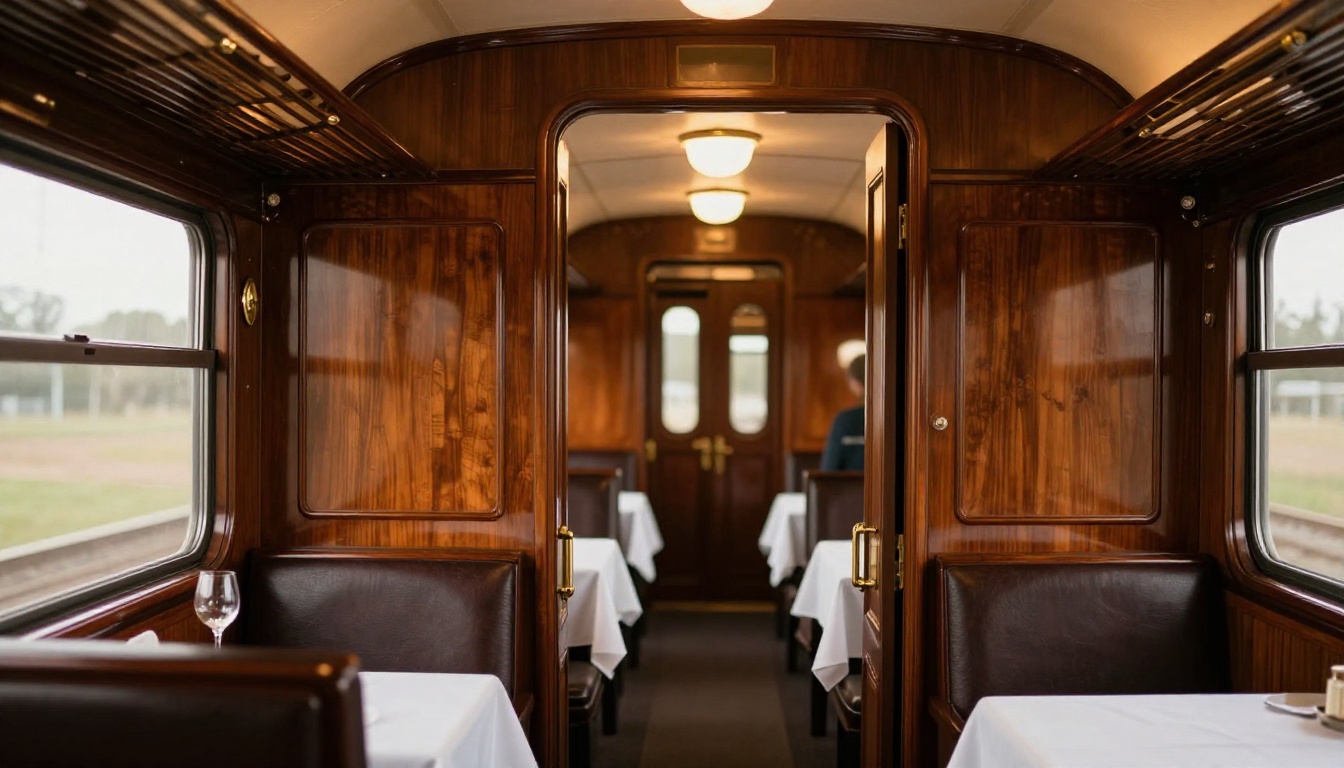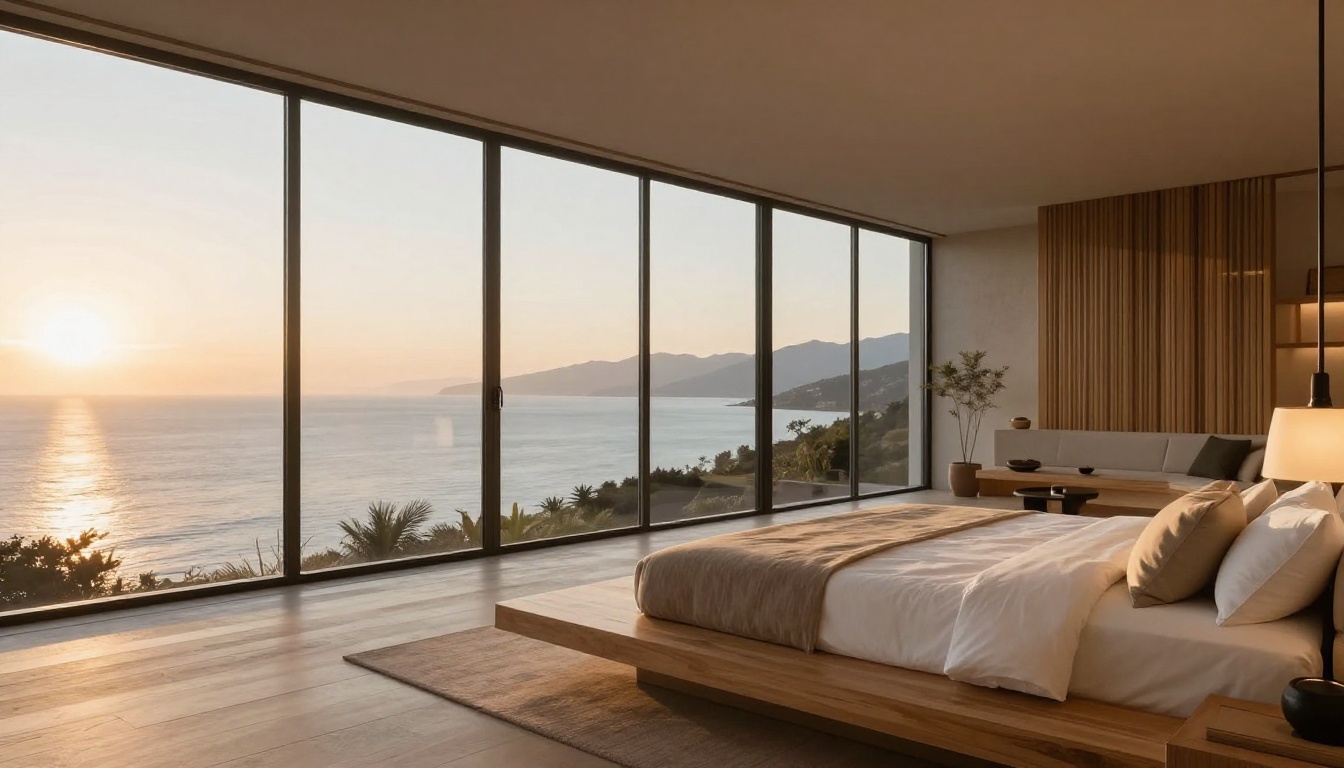
The star rating system was designed for a different era of travel. It emerged when the primary question a guest asked was 'will this hotel have hot water and a functioning restaurant?' Five stars meant everything worked, the staff wore suits, and someone would carry your bags. That question has been answered so thoroughly by so many hotels in so many cities that it no longer differentiates anything. The most interesting hotels in the world have moved on from stars entirely — not because they fall short, but because the criteria reward a version of luxury they have no interest in delivering.
The Hotelstars Union in Europe and the Forbes/AAA system in the United States grade hotels on checklists. Twenty-four-hour room service. Turndown service with chocolates. Bathrobes in the closet. A concierge desk in the lobby. A minibar stocked with overpriced Toblerone and split bottles of champagne. A generic Four Seasons in a business district ticks every box. An Aman resort with 30 rooms, no television, and a dinner menu that changes based on what the fisherman caught that morning does not. Yet the Aman costs three times more and has a six-month waitlist. Something in the rating system has broken, and the market has noticed even if the ratings boards have not.
The Star System and Why It Fails
Stars measure inputs, not outcomes. They count amenities — the presence of a spa, the thread count of sheets, the hours of room service — without asking whether any of it produces a meaningful experience. A hotel can score five stars while feeling like a convention centre with nice bathrooms. Another can score three stars because it lacks a fitness room and a business centre, despite offering the most extraordinary stay of your life in a thatched pavilion overlooking a rice terrace.
The problem is structural. Rating systems need standardisation, and standardisation rewards conformity. Every five-star hotel begins to resemble every other five-star hotel: the same marble lobby, the same international breakfast buffet, the same spa menu with hot stone massage and aromatherapy facial. The hotels that break from this template — the ones that strip away the minibar and the concierge desk and the kids' club in favour of something more deliberate — are penalised by the system even as they command higher prices and deeper loyalty from their guests.
The best hotels are not trying to earn a fifth star. They are trying to make you forget that stars exist.
The Philosophy Hotels: Aman and Its Lineage
Adrian Zecha founded Aman in 1988 with a single property on the coast of Phuket. The idea was radical for the time: fewer rooms, more space, no branding on anything. Nearly four decades later, Aman operates fewer than 40 properties worldwide, each with an average of 30 to 50 rooms. The design always responds to the landscape — desert stone in Utah, dark timber in Tokyo, open pavilions in Bali. There are no logos on the towels. No loyalty programme with tiers and points. No kids' clubs or spas advertising 40 treatments. A pool, a library, a restaurant that serves local food well. What you pay for is space, silence, and a staff ratio that often reaches four employees per guest.
Aman guests — self-identified 'Amanjunkies' — return with a consistency that borders on devotion. The repeat guest rate is among the highest in hospitality. This is not accidental. Zecha understood that luxury is not accumulation but editing. Every decision about what to leave out of an Aman property is as deliberate as what goes in. The absence of a television in the room is not a cost-saving measure. It is a philosophical position about what a hotel stay should feel like.
The Brando on Tetiaroa in French Polynesia takes this further. Thirty-five villas on a private atoll, carbon neutral by design, starting above $3,000 per night. Marlon Brando bought the island in 1967 and spent decades trying to figure out how to build on it without destroying it. The resort that eventually opened in 2014 runs on solar energy and seawater air conditioning. The marine biologists on staff outnumber the bartenders. You arrive by private plane from Tahiti. There is no other way in. Singita, operating across Southern and East Africa, limits its lodges to roughly 12 rooms each and directs a significant share of revenue toward conservation. The wildlife drives the experience, not the thread count. Nihi Sumba in Indonesia — formerly Nihiwatu — was built around a single left-hand surf break on a remote island. You ride horses along the beach, surf uncrowded waves, and eat food grown on the property. The pretence of traditional luxury is entirely absent, and the rates reflect the fact that people will pay significantly more for authenticity than for amenities.
The Anti-Hotel Movement
Hoshinoya in Japan reimagined the ryokan for contemporary travellers. There is no check-in desk. There are no room keys in the traditional sense. You remove your shoes at the entrance and step into a world governed by different rhythms — communal baths, seasonal kaiseki meals, architecture that treats negative space as seriously as built space. The Tokyo property is a vertical garden in the middle of Otemachi, invisible from street level, with rooms starting around $500 per night. It operates within the luxury price bracket while rejecting virtually every convention of Western luxury hospitality.
In Europe and Southeast Asia, a parallel movement has emerged. Casa Bonay in Barcelona, the Ace Hotel group, and Potato Head in Bali are design-forward properties that deliberately reject traditional luxury tropes while charging prices that place them squarely in the luxury category. They invest in architecture, local artist collaborations, and food programmes rather than marble and gilt. Their lobbies function as neighbourhood gathering spaces. Their restaurants serve the city, not just the guests. The message is clear: you can charge $400 a night without a doorman, a minibar, or a star rating, provided you offer something that a star rating cannot measure.
A hotel with 12 rooms and a four-to-one staff ratio doesn't need a concierge desk. Every staff member is the concierge.
What to Look for Instead of Stars
If stars are unreliable, what should replace them? Start with the staff-to-guest ratio. A ratio above 2:1 means someone is always available without being summoned. Above 3:1, and the service becomes anticipatory — your preferences are remembered, your habits are noticed, your needs are met before you articulate them. Room count matters enormously. Under 50 rooms is intimate. Under 20 is exceptional. Below that threshold, the hotel can know every guest by name, adjust the restaurant to accommodate allergies without being told twice, and maintain the feeling that you are a guest in someone's home rather than a customer in a business.
Ask who designed the building. If the answer is an architecture firm with a name and a body of work — Kerry Hill for Aman, Jean-Michel Gathy for The Chedi — you are likely in a property where the physical space was considered as carefully as the service. Ask where the restaurant sources its food. Local sourcing is not just an environmental position; it is a flavour position. Imported salmon in Bali tastes like nothing. Fish caught that morning off the coast tastes like the place you are in. Finally, look at the repeat guest rate, though this is harder to find. The best hotels in the world rarely advertise. Their waitlists are populated by people who have already been and told one or two friends.
The Star-Rated Exceptions
Not every starred hotel is a soulless checklist exercise. Mandarin Oriental, Rosewood, and Peninsula consistently deliver genuine personality within the constraints of the star system. These groups invest in property-specific design, hire chefs with independent reputations, and train staff to a standard that goes well beyond the rating requirements. If you need the full infrastructure — a business centre that functions at midnight, a kids' club with qualified staff, room service at 2am after a late flight — these are the best options within the system. They play the star game and win it while also offering something the stars cannot capture.
The Peninsula Tokyo, for instance, has every amenity the Forbes five-star checklist demands and also has a lobby that is one of the finest public spaces in the city, a fleet of Rolls-Royces in a specific shade of green, and a rooftop bar where the view of the Imperial Palace gardens justifies the $30 cocktail. Rosewood Hong Kong combines its five-star credentials with one of the best art collections in Asian hospitality and a restaurant programme that would be notable even if it were not inside a hotel. These are institutions that have figured out how to satisfy the rating system without being defined by it.
The direction of travel is clear. The most discerning travellers have stopped asking 'how many stars?' and started asking 'what is this place about?' The hotels that answer that question with clarity and conviction — whether they have five stars or no stars at all — are the ones earning loyalty, commanding premium rates, and shaping what hospitality looks like for the next generation. Stars were a useful shorthand for an era when information was scarce. Information is no longer scarce. What remains scarce is a genuine point of view, and that is what the best hotels are selling.
Looking for luxury brands, stores, and services? Browse our curated directory: