A thousand dollars a night is a meaningful amount of money. It is not a rounding error, not a line item that disappears into a corporate expense account. It is a decision. And yet that same thousand dollars buys radically different things depending on where in the world you spend it. In Tokyo, it gets you 50 square metres with a view of the Imperial Palace. In London, it gets you 35 square metres and a Mayfair postcode. In Bangkok, it gets you everything — including breakfast — and sends you home with change.
What follows is a direct comparison of six hotels, each operating at or near the $1,000-per-night mark. No marketing language. No mood lighting in the prose. Just what you actually receive for the money: room size, view, what's included, what costs extra, and the honest calculus of whether it's worth it.
Four Seasons Tokyo at Otemachi — $950/Night, Deluxe Room
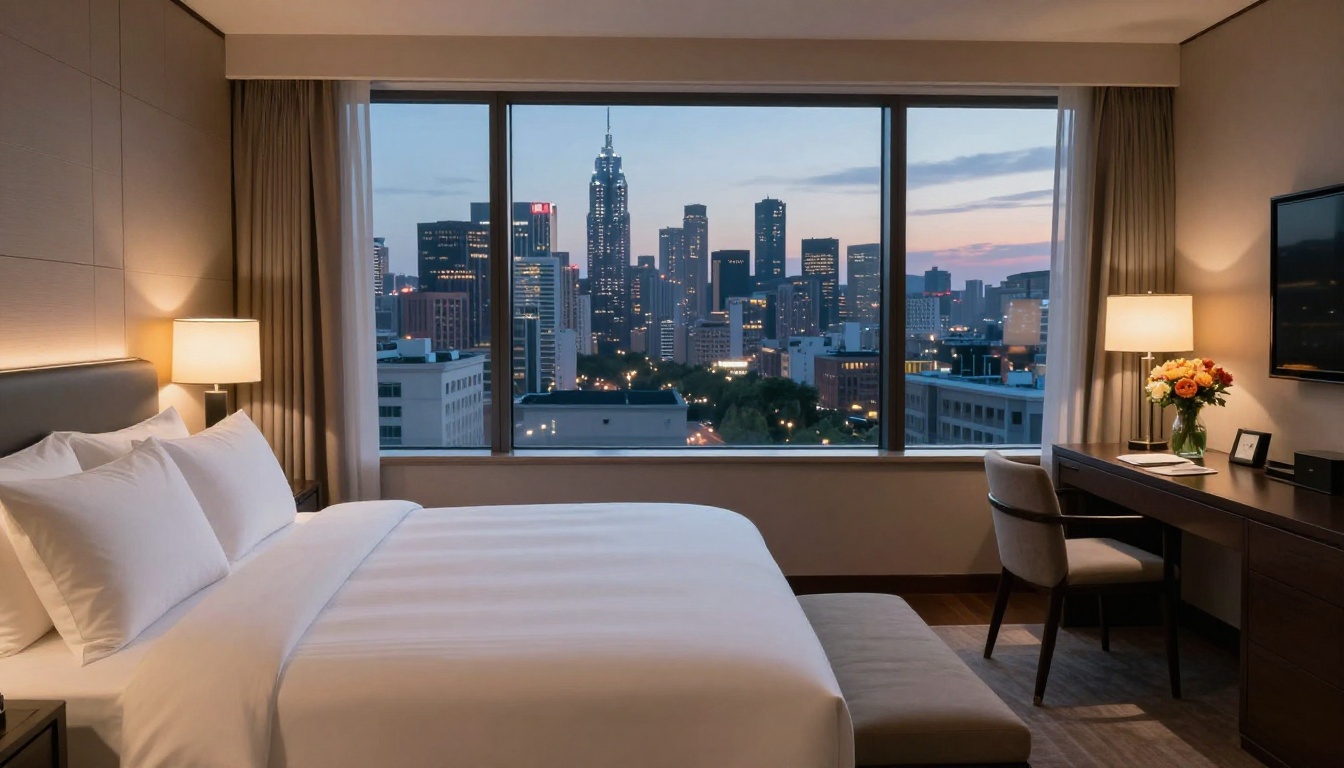
The room is 50 square metres, which in Tokyo is a generous footprint . Floor-to-ceiling windows face the Imperial Palace gardens, and from the 35th floor and above, the view is uninterrupted — a sweep of green canopy surrounded by glass towers that manages to feel both urban and meditative. The bathroom runs Bvlgari amenities, the bed is genuinely excellent, and the minibar is stocked with Japanese whisky and craft beer at prices that are steep but not insulting.
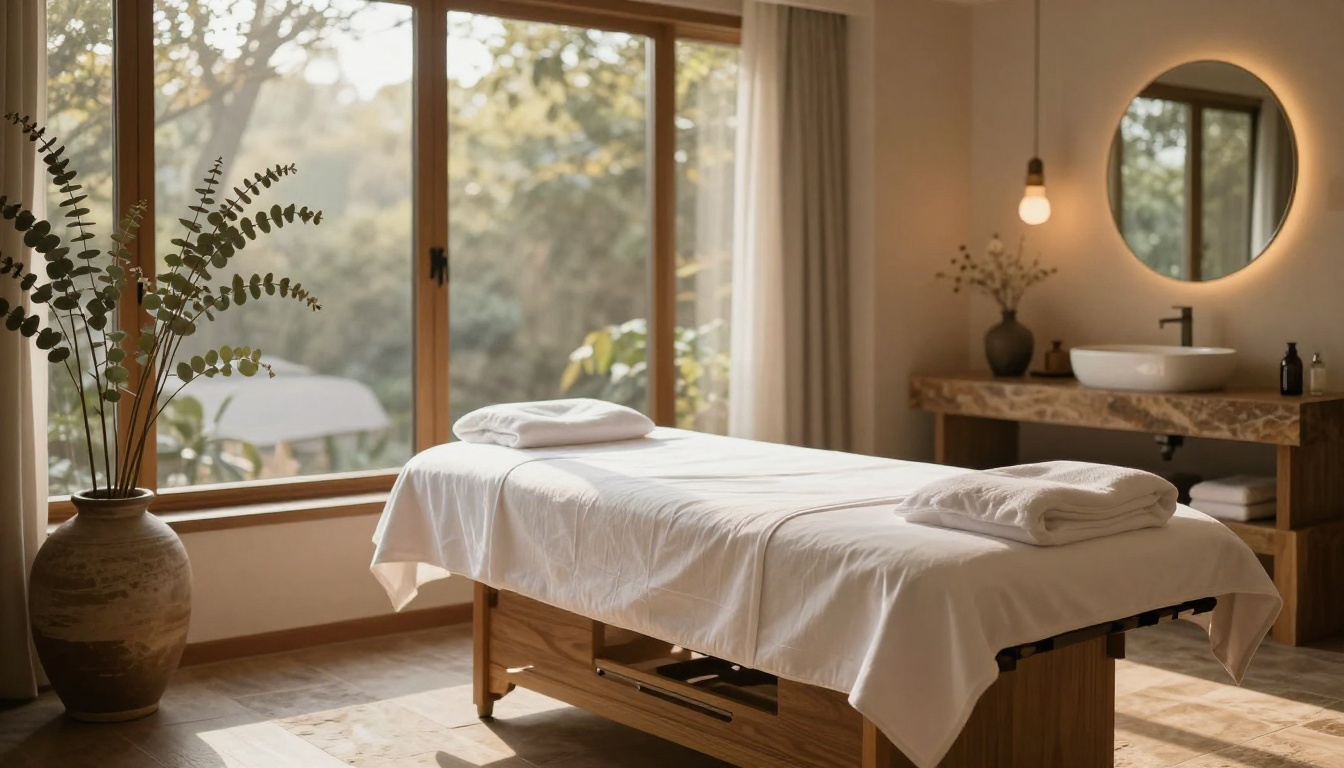
Breakfast is not included — budget $60 per person at the hotel restaurant. The rooftop pool sits on the 39th floor and overlooks the city. The spa is Japanese-inflected without being themed: clean lines, hinoki wood, treatments that lean toward function over theatre.
The service is the differentiator. Four Seasons properties in Japan operate on a level that borders on surveillance, in the best possible way. The staff will remember your name after a single interaction. Your coffee order from yesterday will appear unprompted at breakfast. A request made once is never required twice. This is not warmth — it is precision.
The Connaught, London — $1,100/Night, Superior King
Thirty-five square metres . In a city where residential property trades above $2,000 per square foot in prime postcodes, this is what a thousand dollars (plus a hundred) gets you. The room is impeccably finished — Carlos Place in Mayfair is not a location that tolerates cheap trim — but it is not large. You will not pace. You will not spread out. You will sit in a well-designed chair, read a well-chosen book from the shelf, and drink tea from proper china. The Connaught knows what it is, and it is not trying to be a suite.
What you're paying for is everything outside the room. The Connaught Bar has been ranked the world's best cocktail bar multiple years running, and the bartenders mix drinks with the focus and body language of surgeons. Jean-Georges Vongerichten runs the restaurant downstairs, and the menu pivots between French and Asian with a confidence that comes from decades, not trends. The butlers are trained in the Aman tradition — present when needed, invisible when not. Your clothes will be pressed on arrival, complimentary, without being asked.
There is no pool. There is no rooftop. There is a small but serious spa and a gym that gets the job done. The Connaught's proposition is essentially this: you are paying for address, service, and the accumulated weight of a reputation built since 1815. If you need a pool, you need a different hotel.
Mandarin Oriental Bangkok — $550/Night, Premium River View
At roughly half the price of the other hotels on this list, the Mandarin Oriental Bangkok is either an anomaly or a correction. The room is 40 square metres with a direct view of the Chao Phraya River — boats, temples, the particular amber light that settles on Bangkok at dusk. Two Michelin-starred restaurants sit on the property. Breakfast is included. The service carries a formality that has become rare in modern hospitality: staff bow slightly, doors are opened before you reach them, and the concierge desk operates with the quiet competence of a Swiss private bank.
The spa is the headline. The Oriental Spa occupies a colonial-era teak house across the river, reached by a private shuttle boat. Treatments run 90 minutes to two hours and draw from Thai, Chinese, and Ayurvedic traditions with a rigour that separates them from the resort-spa pantomime you find at most luxury hotels. People fly to Bangkok specifically for this spa, and they are not wrong to do so.
At $550 a night with breakfast included, two Michelin-star restaurants, and a spa that people cross oceans to visit, the Mandarin Oriental Bangkok raises an uncomfortable question for its competitors: where exactly is the other $500 going?
The answer, largely, is real estate. Bangkok's land costs are a fraction of London's, Tokyo's, or Hong Kong's. The Mandarin Oriental can offer more because the underlying economics allow it. This does not diminish the product — it makes it arguably the best value proposition in luxury hospitality anywhere in the world.
Rosewood Hong Kong — $900/Night, Harbour House Room
Fifty-three square metres on the Kowloon waterfront with a full, unobstructed view of Victoria Harbour. This is the room that looks exactly like the photograph. The harbour view is not a backdrop — it is a living thing, a continuous stream of ferries, container ships, and junks moving from dawn to midnight. The room itself is designed by Tony Chi, who understands scale and proportion in a way that makes 53 square metres feel like a decision rather than a compromise.
The Rosewood runs eight restaurants. The Legacy House serves Cantonese fine dining that holds its own against any restaurant in the city, which is saying something in a town where Cantonese cuisine reached its peak expression. Asaya, the wellness centre, spans an entire floor and operates closer to a health clinic than a hotel spa — nutritionists, traditional Chinese medicine practitioners, and sound therapists alongside conventional massage.
Breakfast is not included and runs approximately $70 per person, a number that stings but reflects Hong Kong costs generally. The hotel opened in 2019 and still carries the energy of a property with something to prove, which works in the guest's favour.
Aman Venice — $1,500/Night, Palazzo Room
The room is 40 square metres, which on paper makes it smaller than the Rosewood Hong Kong at nearly twice the price. On paper, this looks like poor value. In person, the calculation changes entirely. Your ceiling was painted by Tiepolo's workshop in the 16th century. Your window opens onto the Grand Canal. The building is a palazzo — the Palazzo Papadopoli — and Aman has restored it with the restraint that is their signature: they left the architecture alone and removed everything that didn't belong.
There is no television in the room. This is not an oversight — Aman's position is that you did not fly to Venice to watch a screen. The private garden, rare in Venice where outdoor space is measured in inches, functions as a retreat from the density of the city. Arva, the hotel restaurant, serves Italian food with the pasta made in-house and seafood from the lagoon.
Private boat transfers replace taxi queues. You are paying $1,500 a night for atmosphere, for history, for the particular silence that a stone palazzo provides. Square footage is not the product here. The product is living, temporarily, in a version of Venice that existed before tourism consumed it.
The Ranch Malibu — $1,200/Night, All-Inclusive
This is a different proposition entirely. The Ranch Malibu is a luxury hotel in the same way that a monastery is a luxury hotel — the price is high, the accommodations are comfortable, and the experience is designed to strip away rather than add. You do not choose your meals. They are organic, plant-forward, and total approximately 1,400 calories per day. There is no alcohol. Your phone is confiscated at 10pm each night and returned at 6am.
Every morning begins with a four-hour group hike through the Santa Monica Mountains — not optional. The terrain is steep, the pace is brisk, and by day three your legs will communicate things about your cardiovascular fitness that no gym session has ever conveyed. Afternoons include yoga, strength training, and bodywork. The daily schedule runs from 6am to 10pm and leaves no room for negotiation or leisure as conventionally understood.
The Ranch is the only luxury hotel in the world where the stated goal is to make you uncomfortable. People book twelve months in advance for the privilege, and most return within a year.
The rooms are clean, well-built, and deliberately modest. The value proposition is results: most guests lose five to ten pounds in a week, sleep better than they have in years, and leave with a recalibrated relationship with food and screens. Whether this qualifies as luxury depends entirely on your definition.
At-a-Glance Comparison
| Hotel | City | Price/Night | Room Size | Breakfast | Pool | Best For |
|---|---|---|---|---|---|---|
| Four Seasons Otemachi | Tokyo | $950 | 50 m² | No (+$60pp) | Yes (rooftop) | Overall product |
| The Connaught | London | $1,100 | 35 m² | No | No | Address and service |
| Mandarin Oriental | Bangkok | $550 | 40 m² | Included | Yes | Best value |
| Rosewood | Hong Kong | $900 | 53 m² | No (+$70pp) | Yes | Harbour view |
| Aman Venice | Venice | $1,500 | 40 m² | No | No | History and atmosphere |
| The Ranch Malibu | Malibu | $1,200 | Modest | All-inclusive | No | Results |
Where the Money Actually Goes
The single largest factor in what $1,000 buys you is the cost of the ground the hotel sits on. Prime real estate in Mayfair trades above $3,500 per square foot. In central Tokyo, around $2,500. Hong Kong's Tsim Sha Tsui, roughly $2,800. Bangkok's riverside district drops below $600. Venice is difficult to calculate because nothing is for sale, but restoring a 16th-century palazzo costs functionally infinite money.
Labour costs follow the same gradient. A butler in London costs three to four times what a butler in Bangkok costs. This reflects local wage markets, not skill — Thai hospitality professionals are among the most accomplished in the world. When you pay $1,100 at The Connaught, a significant portion services the debt on some of Europe's most expensive land. When you pay $550 in Bangkok, a greater share goes directly to the guest experience.
The honest assessment: Bangkok is the best value by a wide margin. You receive more room, more inclusions, and equivalent service for half the price. The Four Seasons Tokyo offers the best overall product — the combination of room quality, service precision, and city access is difficult to match at any price. The Connaught is the most expensive per square metre and makes no apology for it. Aman Venice is the most emotionally affecting, if you're the kind of person who feels something when you look at a Tiepolo ceiling. And The Ranch is for people who have already stayed at all the others and need a hotel to solve a different kind of problem.
At $1,000 a night, you are not buying a room. You are buying a set of decisions — about location, service philosophy, inclusions, and atmosphere — that someone else made before you arrived. The question is not which hotel is best. The question is which set of decisions matches yours.
Looking for luxury brands, stores, and services? Browse our curated directory: