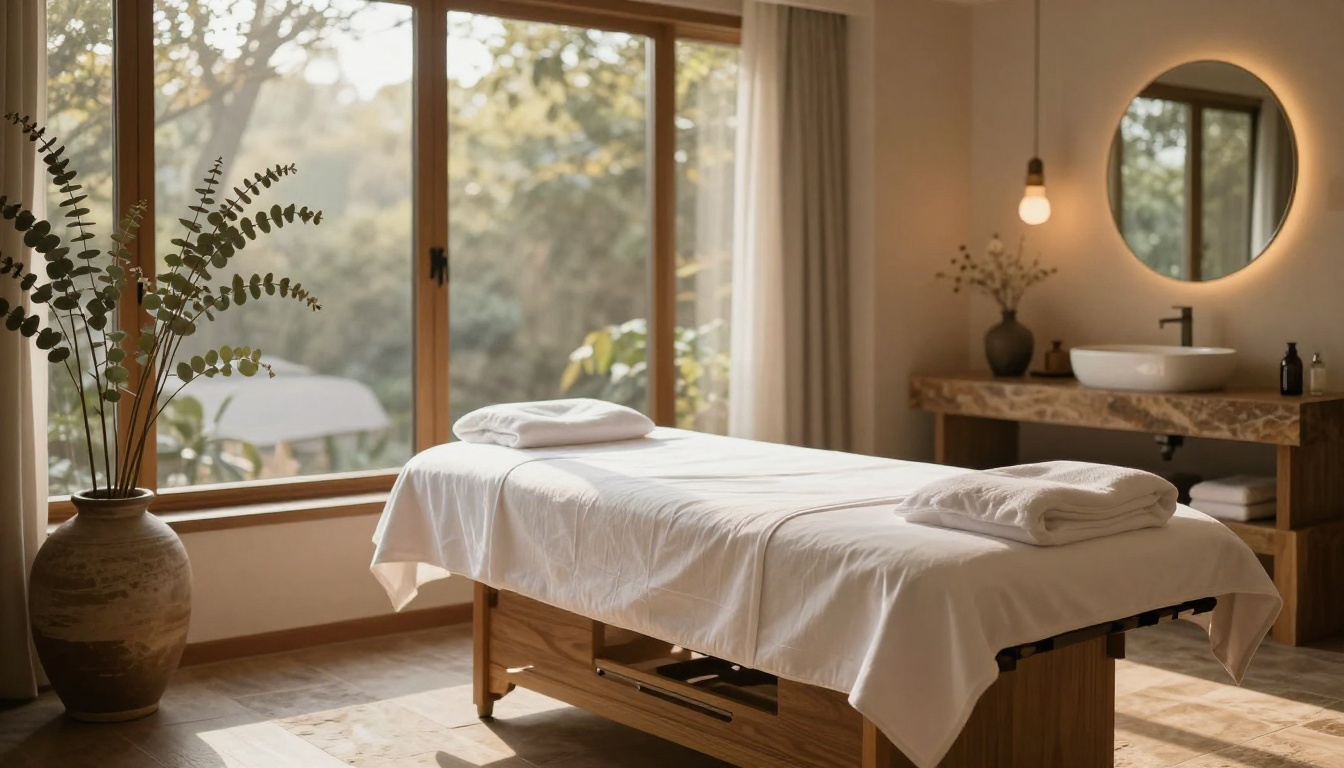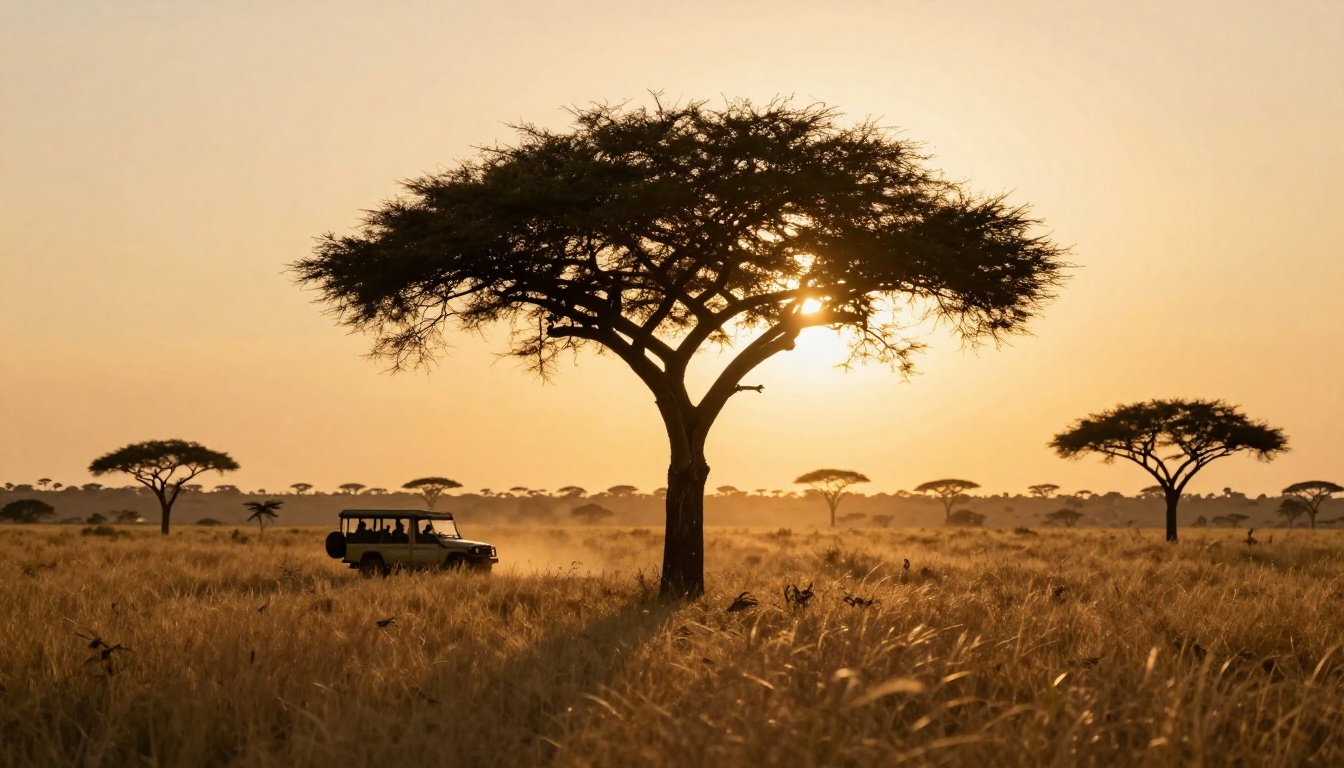
A lioness drags a wildebeest carcass through knee-high grass forty meters from your Land Cruiser. Your guide kills the engine. For ten minutes, the only sounds are tearing flesh and the shutter of a Canon R5. Back at camp, a butler draws a bath in a copper tub overlooking the Serengeti. Dinner is a five-course menu served under a canopy of stars, paired with South African wines you have never heard of but will spend weeks trying to find afterward. This is what two thousand dollars a night buys in East Africa — and it might be the best value in high-end travel.
Safari at this level is not a zoo with better scenery. The premium operators — Singita, &Beyond, Great Plains Conservation — run properties where conservation funding, guiding expertise, and hospitality converge into something no urban hotel can replicate. But the pricing structure, seasonal variation, and differences between countries remain opaque to first-time visitors. Here is what you need to know before booking.
The Big Three Operators
Three companies dominate the top tier of East and Southern African safari. Each takes a different approach, and the one that suits you depends on what you value most.
Singita runs the most architecturally ambitious properties on the continent. The reserves in Tanzania occupy 350,000 acres of private concession bordering the Serengeti, meaning you get the same wildlife without the minibus traffic of the national park. Their lodges — Sasakwa, Faru Faru, Sabora — feel like they were designed for Architectural Digest rather than the bush. Rates start around $2,400 per person per night in peak season. That number is eye-watering until you realize it covers all meals, premium drinks, twice-daily game drives with private vehicles, laundry, and conservation fees. The only extras are spa treatments and helicopter transfers.
&Beyond operates across twelve African countries with a wider range of price points. Their flagship properties like in Tanzania sit at the $1,800-$2,500 range, while more accessible camps like Serengeti Under Canvas come in around $1,000-$1,400. The guiding is consistently excellent, and their WILDchild program makes them the strongest choice for families. Where Singita leans toward design-forward minimalism, &Beyond embraces a more traditional safari aesthetic — think dark wood, animal prints, and theatrical camp fire dinners.
Great Plains Conservation, founded by filmmakers Dereck and Beverly Joubert, runs fewer properties but with a fanatical focus on conservation outcomes. Their camps in Botswana and Kenya are deliberately small — often six tents or fewer — which means more intimate wildlife encounters and a palpable sense of isolation. Rates hover around $1,500-$2,800 per person per night depending on season and property. If your primary motivation is wildlife photography or genuine engagement with conservation work, Great Plains is the most compelling choice.
Top-Tier Safari Operators Compared
| Operator | Peak Rate (pp/night) | Countries | Properties | Best For |
|---|---|---|---|---|
| Singita | $2,400-$3,800 | Tanzania, South Africa, Rwanda | 15 lodges/camps | Architecture, wine, privacy |
| &Beyond | $1,000-$2,500 | 12 African countries | 30+ lodges/camps | Families, variety, accessibility |
| Great Plains | $1,500-$2,800 | Botswana, Kenya | 8 camps | Conservation, photography, intimacy |
Tanzania vs. Kenya vs. Botswana
The three dominant safari destinations each deliver a fundamentally different experience, and choosing between them is less about which is "best" and more about what you are after.
Tanzania
The Serengeti-Ngorongoro ecosystem is the most reliable place on earth to see large concentrations of wildlife year-round. The Great Migration — roughly two million wildebeest, zebra, and gazelle moving in a continuous loop — passes through different parts of the Serengeti depending on the month. The northern Serengeti from July through October delivers the famous Mara River crossings, where columns of wildebeest plunge into crocodile-filled water. It is violent, chaotic, and genuinely one of the great natural spectacles. The Ngorongoro Crater, a collapsed volcanic caldera teeming with wildlife, offers almost guaranteed sightings of the Big Five in a single day.
The trade-off: Tanzania's national park fees are the highest in Africa — around $70-$80 per person per day on top of your accommodation. The infrastructure outside premium camps is basic, and internal flights (which you will need — driving between parks takes eight-plus hours) add $300-$600 per leg. Budget $500-$1,000 per person for logistics on top of your nightly rate.
Kenya
The Masai Mara is smaller and more concentrated than the Serengeti, which can mean heavier vehicle traffic during peak season. But Kenya's conservancy model — private reserves bordering the national reserve — has created some of the best safari experiences anywhere. Properties like Angama Mara, perched on the edge of the Great Rift Valley escarpment, offer off-road driving, night drives, and walking safaris that are prohibited inside the national reserve itself. The Laikipia Plateau, north of Mount Kenya, is less famous but arguably more rewarding: fewer tourists, healthy populations of endangered species like wild dogs and Grevy's zebra, and a more rugged, frontier feel.
Kenya is also more accessible. Nairobi is a major international hub with direct flights from London, Amsterdam, and several Middle Eastern cities. A 45-minute bush flight gets you from Wilson Airport to the Mara. If you are connecting through Dubai or Doha, this is the most efficient route to a top-tier safari.
Botswana
Botswana deliberately prices itself as a high-cost, low-volume destination. Government park fees are steep, and most camps are small and remote. The payoff is a sense of wilderness that Tanzania and Kenya cannot always match. The Okavango Delta — a vast inland river delta in the Kalahari — offers water-based safaris by mokoro (dugout canoe) alongside traditional game drives. Seeing elephants wade through crystal-clear channels while you glide silently past is an experience with no equivalent elsewhere.
The downside: Botswana's remoteness adds cost and complexity. Most camps are accessible only by light aircraft, and the flying between properties adds up quickly. A ten-day Botswana safari with three camps can easily run $25,000-$35,000 per person before international flights. It is worth every dollar for the right traveler, but it is not the place to start if you have never been on safari.
What "All-Inclusive" Actually Includes
The pricing at premium safari camps is more transparent than it first appears, but you need to read the fine print. At the $2,000-per-night tier, here is what is typically covered and what is not.
Almost always included:
- All meals — Breakfast, lunch, afternoon tea, and a multi-course dinner. The food at top camps is genuinely excellent, often prepared by chefs who have worked in Cape Town or Nairobi's best restaurants.
- Premium drinks — Wine, beer, spirits, and cocktails. Singita's wine program is particularly notable, with cellars that would embarrass most urban restaurants. Some camps exclude top-shelf Champagne.
- Twice-daily game drives — Morning and afternoon, typically three to four hours each, in private vehicles with a dedicated guide and tracker.
- Laundry — Done daily, returned folded. A small thing that matters enormously when you are living out of a duffel bag for ten days.
- Conservation and community levies — A significant portion of your rate goes directly to anti-poaching units, community development, and habitat restoration.
Usually extra:
- Bush flights between camps — $300-$600 per leg. Non-negotiable in most itineraries.
- Spa treatments — $80-$200 per treatment.
- Hot air balloon rides — $500-$600 per person. Worth it once, preferably over the Serengeti or Mara.
- Gratuities — $25-$50 per person per day for your guide, plus $15-$25 for camp staff. This adds up over a ten-day trip, and getting the etiquette right matters.
- Park and conservation fees — Sometimes included, sometimes not. Always confirm at booking.
A realistic all-in budget for a ten-day premium safari — including international flights, internal transfers, two to three camps, and gratuities — is $25,000-$40,000 per person. For a couple, that is $50,000-$80,000. It sounds staggering, but compare it to a week in a top suite at a European palace hotel where you are still paying separately for every meal, drink, and experience.
Premium vs. Mid-Range: Where the Money Goes
A reasonable question: does paying $2,000 a night deliver twice the experience of a $700-a-night camp? The honest answer is no — not if "the experience" means wildlife sightings alone. A well-located mid-range camp can deliver the same animals. The differences are real but more nuanced.
Guiding quality is the single biggest differentiator. At Singita and &Beyond, guides are among the best in Africa — many have spent decades in the bush, hold advanced naturalist qualifications, and tailor each drive to your interests. A great guide will reposition the vehicle for better light, anticipate animal behavior, and explain ecological relationships in ways that transform what you see. At mid-range camps, guiding is competent but less specialized.
Exclusivity of location matters enormously. Premium operators hold private concessions or operate in conservancies with strict vehicle limits. At Singita Grumeti, you might spend an entire morning with a leopard and her cubs without another vehicle in sight. Inside the Serengeti National Park, the same sighting could attract fifteen Land Cruisers within minutes. If solitude in the bush matters to you, this alone justifies the premium.
Accommodation and service at the top tier are genuinely remarkable. Thread counts, bathroom fixtures, wine lists — these are details that rival what the world's best hotels offer, transplanted to locations where running water is an engineering achievement. But if you are the type who treats camp as a place to sleep between game drives, this matters less.
Premium vs. Mid-Range Safari: Key Differences
| Factor | Premium ($1,500-$3,000/night) | Mid-Range ($500-$1,000/night) |
|---|---|---|
| Vehicle exclusivity | Private vehicle, 2-4 guests | Shared vehicle, 6-8 guests |
| Guide qualification | Senior, specialist-certified | Competent, less experienced |
| Concession access | Private, low-traffic | National parks, shared access |
| Wine and drinks | Cellar-quality, premium spirits | House wines, standard spirits |
| Camp size | 6-12 tents/suites | 15-30 rooms |
| Conservation impact | High, direct funding | Variable |
When to Go
Timing a safari correctly is as important as choosing the right camp. The wrong month can mean flooded roads, poor visibility, or — in the case of the Great Migration — arriving at the wrong end of an ecosystem the size of Belgium.
Tanzania (Serengeti): June through October is peak season with dry weather, concentrated wildlife around water sources, and the Migration crossing into the northern Serengeti. January and February bring the calving season in the southern Serengeti — less dramatic than river crossings but extraordinary in its own right, with half a million wildebeest calves born within a few weeks. The long rains (March through May) shut down many camps and make roads difficult.
Kenya (Masai Mara): July through October is prime time, with the Migration herds crossing into the Mara from the Serengeti. The Mara is also excellent from January through March when it is quieter and green-season rates apply — a smart move if river crossings are not your priority. The Laikipia region is good year-round.
Botswana (Okavango Delta): The Delta floods between June and August, which is peak season for water-based activities. The dry season (September through November) concentrates wildlife around permanent water and is best for traditional game drives. Green season (December through March) brings migratory birds and dramatically lower rates, but some camps close.
One practical note: peak-season availability at the best camps sells out six to twelve months in advance. If you want Singita Sabora during August or Angama Mara during September, book the moment dates open. This is not hotel-booking behavior where you can call a week before — popular camps are genuinely full.
The Conservation Argument
The most compelling case for premium safari is not the thread count or the wine list. It is what happens to the money after you leave.
Singita's model is built around 100-year conservation leases. Their Grumeti reserves in Tanzania protect a critical corridor of the Great Migration that was, before their involvement, heavily poached. Since taking over management, they have reintroduced black rhino to the area and built anti-poaching operations that employ hundreds of local rangers. Your $2,400 per night funds that directly.
&Beyond's conservation impact report tracks measurable outcomes: acres under protection, species populations, community income generated. Their Impact Tracker lets guests see exactly where their money went — a level of transparency rare in any industry, let alone hospitality.
Great Plains Conservation goes furthest, converting former hunting concessions into photographic-only reserves. Their Relocation of Lions project has moved more than a hundred lions into areas where populations had been decimated. Every night you stay funds active conservation work, not just the preservation of pretty scenery.
This matters because the economics of African wildlife are harsh. Without tourism revenue, the financial incentive shifts toward agriculture, livestock, and — in the worst cases — poaching. A single bull elephant is worth approximately $1.6 million in lifetime tourism revenue, according to research published by the David Sheldrick Wildlife Trust. Dead, its ivory might fetch $20,000 on the black market. The math is clear, but it only works if tourists keep coming and paying premium rates.
Spending $2,000 a night on safari is not philanthropy. But it is one of the rare cases where spending more directly produces better conservation outcomes. The mid-range camps contribute too, but at a fraction of the scale.
Practical Booking Advice
A few things that first-time safari travelers consistently get wrong.
Use a specialist agent. Unlike booking a hotel where online platforms work fine, safari itineraries have too many moving parts — camps, transfers, seasons, visa requirements — for DIY booking. A good Africa specialist (try Expert Africa, Scott Dunn, or Ker & Downey) earns their commission by getting the logistics right and often has allocations at camps that show as sold out online.
Three nights per camp is the minimum. Two nights means one full day of game drives. Three gives you the chance to revisit a sighting, try a walking safari, or simply sit on your deck and watch elephants at the waterhole. If you are visiting two camps — which most itineraries should — plan eight to ten nights total.
Pack light. Bush flights have strict baggage limits, typically 15-20 kilograms in a soft-sided bag. No hard suitcases. Neutral colors — khaki, olive, tan — are practical, not just aesthetic. Avoid dark navy and black, which attract tsetse flies in some regions. Your usual travel luggage will not work here; most operators sell or lend appropriate duffel bags.
Bring serious optics. A pair of quality binoculars matters more than a fancy camera. Swarovski EL 10x42 or Zeiss Victory SF are the standard at this level. For photography, a 100-400mm zoom on a full-frame body covers most situations. Leave the 600mm prime at home unless you know exactly what you are doing.
Manage expectations about the Big Five. Leopard and rhino are never guaranteed. A good guide will maximize your chances, but wildlife does not perform on command. The guests who enjoy safari most are the ones fascinated by the entire ecosystem — the dung beetle rolling its prize, the lilac-breasted roller catching the light, the way a herd of elephants communicates through infrasound. If your trip hinges on checking off five specific animals, you may leave disappointed regardless of how much you spent.
The Bottom Line
A premium East African safari is one of the few travel experiences where the price genuinely reflects the product. You are not paying for a brand name on a towel. You are paying for access to private wilderness, world-class guiding, and a hospitality operation that functions at an extraordinary level in the middle of nowhere — while funding the protection of some of the last great wild ecosystems on earth.
At $2,000 a night, it is not cheap. But measured against what it delivers — and what it sustains — it may be the most honest transaction in high-end travel. No minibar markup, no resort fee buried in the fine print, no supplement for a table with a view. Just the wild, served with precision and purpose.