The $300 Moisturizer Problem
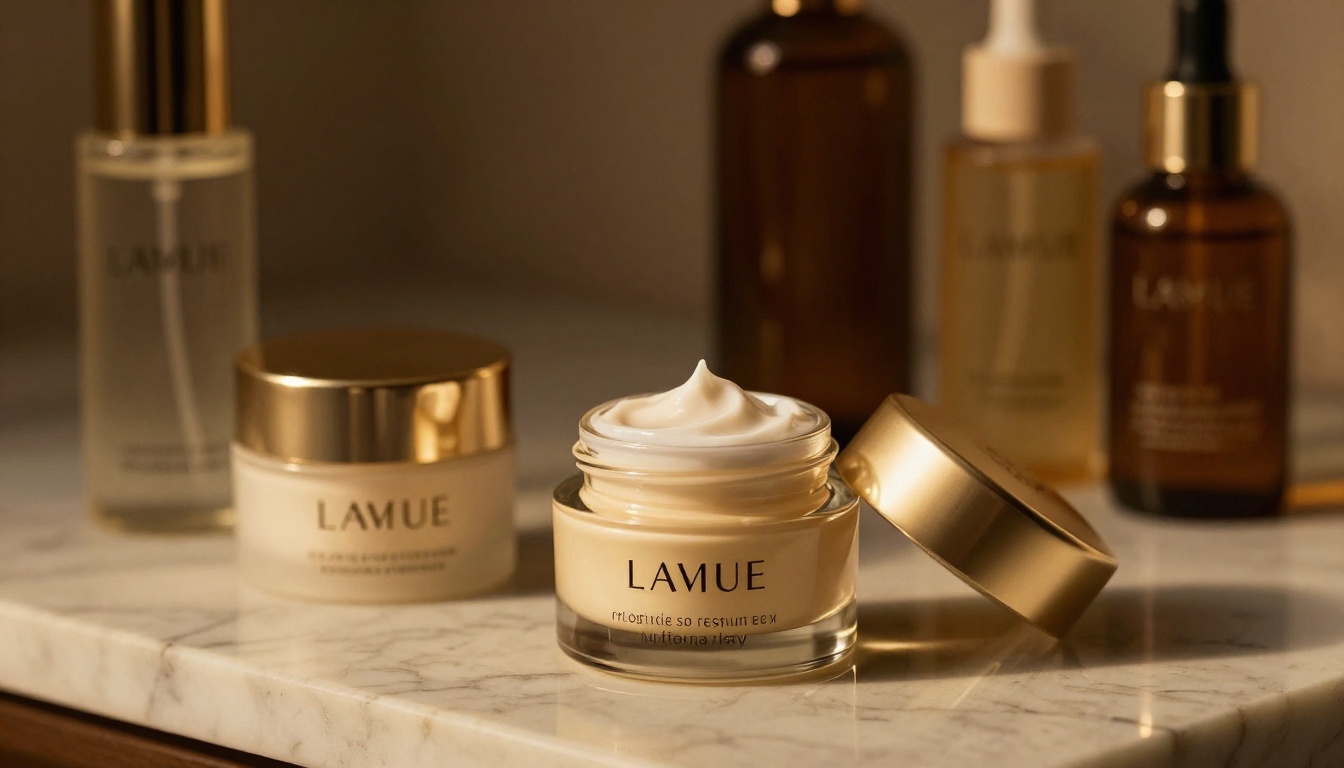
La Mer's Creme de la Mer costs $380 for two ounces. It contains seaweed extract, mineral oil, petrolatum, and a proprietary "Miracle Broth" whose clinical evidence is, to put it gently, thin. Meanwhile, a $17 tube of CeraVe Moisturizing Cream contains ceramides, hyaluronic acid, and niacinamide — three ingredients with decades of peer-reviewed research behind them.
This is the central tension of high-end skincare: the price tag rarely correlates with efficacy. Some premium products justify every dollar through concentration, formulation stability, and delivery systems that genuinely push active ingredients deeper into the skin. Others are charging you for packaging, fragrance, and the feeling that you are doing something important for your face.
The difference matters. A poorly constructed routine of expensive products will underperform a well-constructed routine of affordable ones. And the reverse is also true — there are specific categories where spending more delivers measurably better results.
The Four Ingredients That Actually Work
Dermatologists are remarkably consistent on this point. Across hundreds of clinical trials, four categories of active ingredients have demonstrated repeatable, visible effects on skin quality. Everything else is either supporting cast or marketing.
Retinoids: The Only Proven Anti-Aging Ingredient
Tretinoin (prescription-strength retinoid) is the single most studied anti-aging ingredient in dermatology. It increases cell turnover, stimulates collagen production, and reduces hyperpigmentation. The evidence is not ambiguous — it works, and it works better than anything else in a jar.
The over-the-counter version, retinol, is the same molecule in a less potent form. uses a stabilized 1% retinol concentration that delivers genuine results, though it takes longer than prescription tretinoin. For those who want pharmaceutical-grade efficacy without a dermatologist visit, adapalene (Differin) is available over the counter in most countries and is well-tolerated.
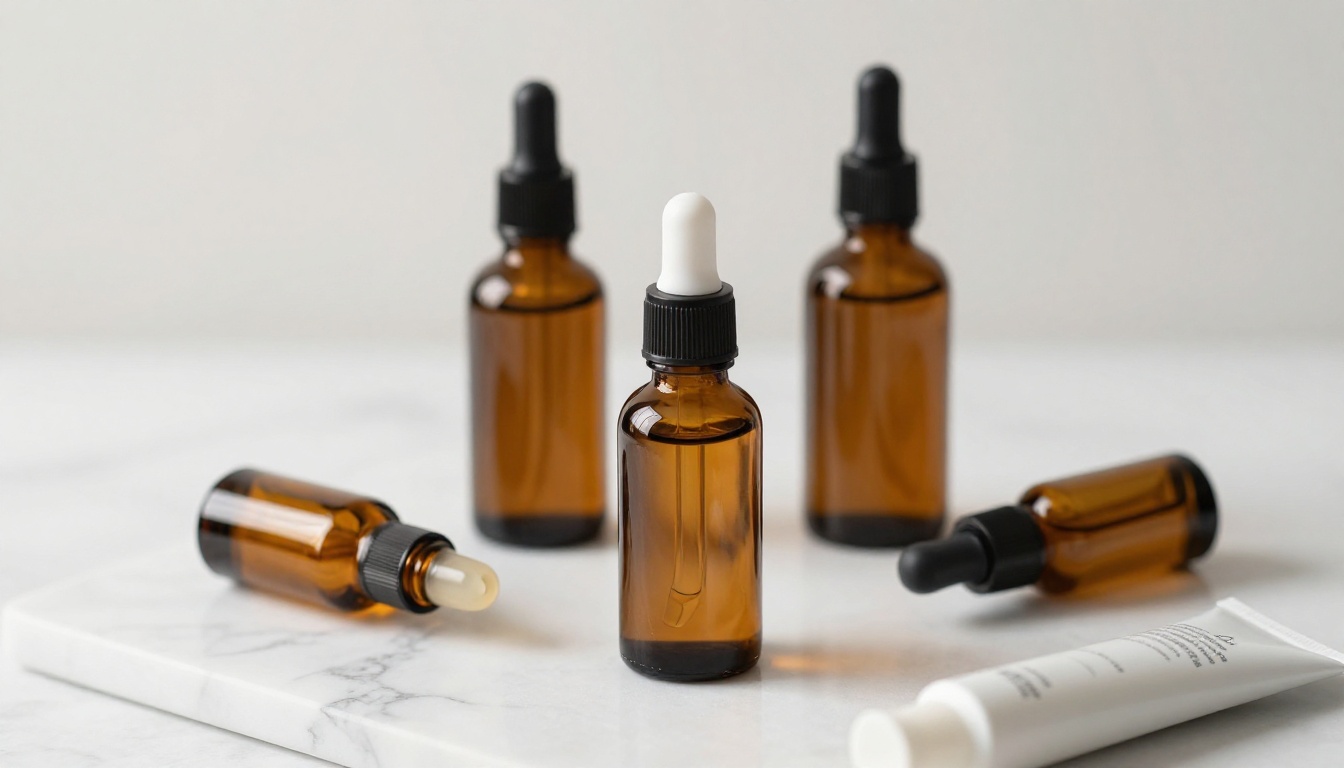
Where money matters here: formulation stability. Retinol degrades rapidly when exposed to light and air. Cheap retinol serums in clear dropper bottles are often degraded before you finish the bottle. Premium formulations in opaque, airless pump containers — like those from SkinCeuticals, Dr. Dennis Gross, or Paula's Choice — protect the active ingredient and deliver what they promise.
Vitamin C: Worth Paying For (If the Formulation Is Right)
L-ascorbic acid is a potent antioxidant that brightens skin tone, reduces photodamage, and provides modest UV protection when layered under sunscreen. The catch: it is notoriously unstable. In water-based formulations, vitamin C oxidizes within weeks, turning from clear to amber to brown — and becoming useless in the process.
This is one category where price genuinely reflects quality. remains the gold standard at $182 for one ounce, and that price is partially justified by a patented combination of L-ascorbic acid, vitamin E, and ferulic acid that keeps the formula stable and bioavailable. Studies have shown this specific combination provides eight times the skin's natural photoprotection.
The affordable alternative: The Ordinary's Ascorbyl Glucoside Solution 12% at $13 uses a stable derivative that converts to ascorbic acid on the skin. It is less potent than pure L-ascorbic acid but far more stable, making it a reasonable trade-off for those unwilling to spend $182 on a single serum.
SPF: The Non-Negotiable
Sunscreen is the single most effective anti-aging product you can buy. This is not a matter of opinion. UV exposure causes roughly 80% of visible facial aging — wrinkles, dark spots, loss of elasticity. Every other product in your routine is compensating for damage that sunscreen prevents in the first place.
Here is where the premium is almost never justified. A $55 La Roche-Posay Anthelios or a $16 Neutrogena Ultra Sheer provides SPF 50+ protection that is functionally identical to any $80 luxury sunscreen. The active UV filters (zinc oxide, titanium dioxide, avobenzone, or newer European filters like Tinosorb) are the same across price points.
What you are paying for with premium sunscreens is texture and wearability — less white cast, better performance under makeup, a finish that does not feel greasy. If that encourages you to actually apply sunscreen daily, it is money well spent. has built a following precisely because it feels like a primer rather than a sunscreen, and compliance is the metric that matters most.
Niacinamide: The Quiet Workhorse
Niacinamide (vitamin B3) strengthens the skin barrier, reduces redness, minimizes pore appearance, and regulates oil production. It is well-tolerated by nearly everyone, plays nicely with other actives, and is one of the few ingredients where the affordable option is genuinely as good as the expensive one.
The Ordinary Niacinamide 10% + Zinc 1% costs $6. It works. A $90 niacinamide serum from a prestige brand contains the same ingredient at the same concentration. There is no formulation complexity here that justifies a tenfold price increase. Save your money.
Building the Routine: Morning and Evening
A dermatologist-approved skincare routine requires four to five products, applied in the correct order. More than that is either redundant or counterproductive — layering seven serums does not make them work seven times harder. It often impairs absorption and increases irritation.
The Core Routine
| Step | Morning | Evening |
|---|---|---|
| Cleanser | Gentle, non-foaming (CeraVe, La Roche-Posay) | Double cleanse if wearing SPF/makeup |
| Active | Vitamin C serum | Retinoid (retinol or tretinoin) |
| Moisturizer | Lightweight with niacinamide | Richer cream (ceramide-based) |
| SPF | SPF 30-50, broad spectrum | Not needed |
| Optional | Antioxidant booster | Peptide serum or targeted treatment |
Order matters because products are formulated at specific pH levels and viscosities. Vitamin C serums (pH 2.5-3.5) go on first because they need an acidic environment to penetrate. Retinoids go on clean, dry skin in the evening because UV exposure deactivates them. Moisturizer locks everything in. Sunscreen goes last in the morning, always.
One detail that most guides skip: wait times. After applying vitamin C, give it two to three minutes to absorb before layering moisturizer. After applying retinoid, wait until the skin is completely dry — applying to damp skin increases penetration and irritation. These small adjustments make a measurable difference in how well the actives perform.
Where the Premium Is Justified
Not every expensive skincare product is a vanity purchase. Three categories consistently deliver better results at higher price points.
Prescription retinoids. A dermatologist consultation ($150-300) plus a prescription for tretinoin ($30-80 with insurance, or through services like Curology or Dermatica) outperforms every over-the-counter retinol on the market. This is the single best investment in a skincare routine.
Professional treatments. In-office procedures — chemical peels, microneedling, laser resurfacing — produce results that no topical product can match. A series of four to six sessions of microneedling ($250-700 per session) with a board-certified dermatologist will do more for texture and scarring than years of serums. If you are going to spend $2,000 on skincare, spend it here rather than on twelve bottles of prestige moisturizer.
Stabilized vitamin C. As noted above, this is the one serum category where formulation complexity justifies a higher price. The difference between a well-made $40 vitamin C serum and a poorly made $15 one is significant. The difference between a $40 one and a $180 one is smaller, but still real.
Where You Are Paying for the Jar
Certain product categories in prestige skincare have essentially zero clinical advantage over their affordable counterparts. This is not opinion — it is what the research shows.
Cleansers. A cleanser is on your face for thirty seconds. Any active ingredients it contains are washed down the drain before they can do anything. A $6 CeraVe Hydrating Cleanser performs identically to a $75 luxury cleanser. The only criterion that matters is that it does not strip your skin barrier.
Sheet masks. A $12 sheet mask delivers approximately the same hydration boost as wrapping your face in a damp cloth for ten minutes. The serum on most sheet masks contains hyaluronic acid and glycerin — ingredients that absorb in the top layer of skin and evaporate within hours. They feel pleasant. They are not a treatment.
Eye creams. Most eye creams are facial moisturizers in smaller tubes at higher per-ounce prices. Unless the formula contains a specific active (retinol, caffeine, vitamin C) at a meaningful concentration, your regular moisturizer applied around the eye area does the same job.
"Miracle" ingredients. Gold, diamond dust, caviar extract, snail mucin, bee venom — these sound compelling on a label but have little to no clinical evidence supporting their efficacy in topical formulations. La Prairie's Skin Caviar Luxe Cream ($540 for 1.7 oz) contains caviar extract, but no independent study has demonstrated that caviar extract does anything meaningful when applied to skin. You are paying for the story, not the science.
The Men's Routine Question
Men's skin is roughly 20% thicker than women's, produces more sebum, and has a different pH due to regular shaving. But the active ingredients that work are identical. Retinoids, vitamin C, niacinamide, and SPF do not care about gender.
The practical difference is texture preference. Men who shave daily generally prefer lighter, faster-absorbing formulations that do not interfere with razor glide. Gel-based moisturizers and fluid sunscreens work better than heavy creams in this context.
A straightforward men's routine looks like this: gentle cleanser, vitamin C serum in the morning, SPF, retinol at night, lightweight moisturizer. That is four products. It takes under two minutes. The results compound over months and years, particularly with consistent sunscreen use. Most of the skincare brands marketing specifically to men — Tom Ford, Lab Series, Clinique for Men — charge a premium for masculine packaging around formulations that are functionally identical to their women's lines. Skip the gendered marketing. Buy what works.
A Realistic Budget at Three Price Points
The same dermatologist-approved routine can be built at dramatically different price points. Here is what each tier looks like, with specific products.
Skincare Routine by Budget
| Product | Budget ($50-80/mo) | Mid-Range ($100-200/mo) | Premium ($300+/mo) |
|---|---|---|---|
| Cleanser | CeraVe Hydrating ($16) | La Roche-Posay Toleriane ($16) | Drunk Elephant Beste No. 9 ($34) |
| Vitamin C | The Ordinary Ascorbyl Glucoside ($13) | Timeless CE Ferulic ($28) | SkinCeuticals C E Ferulic ($182) |
| Retinoid | Differin Adapalene ($15) | Paula's Choice 1% Retinol ($42) | SkinCeuticals Retinol 1.0 ($88) |
| Moisturizer | CeraVe PM ($20) | La Roche-Posay Toleriane ($22) | Dr. Barbara Sturm Face Cream ($230) |
| SPF | Neutrogena Ultra Sheer ($12) | La Roche-Posay Anthelios ($36) | Supergoop Unseen ($38) |
| Monthly Total | $50-80 | $100-160 | $350-575 |
The honest assessment: the budget routine delivers roughly 85% of the results of the premium routine. The mid-range tier — particularly if you invest in a quality vitamin C serum and prescription retinoid — delivers 95%. The premium tier adds comfort, sensory pleasure, and marginally better formulation stability, but the diminishing returns are steep.
This mirrors the pattern across many categories where material quality follows a curve of diminishing returns. The jump from poor to good is transformative. The jump from good to great is noticeable. The jump from great to exceptional is, for most people, imperceptible.
What Dermatologists Actually Use
In anonymous surveys and off-the-record conversations, dermatologists consistently report using affordable products from CeraVe, Vanicream, and La Roche-Posay for cleansing and moisturizing. They splurge on two things: a well-formulated vitamin C serum and prescription tretinoin. Most use mineral sunscreen daily. Almost none use products marketed as "anti-aging miracles."
This should tell you everything. The people who understand skin biology at the deepest level are not buying $500 creams. They are buying proven actives in stable formulations and applying them consistently. The consistency matters more than the brand on the bottle.
For those serious about results, the most effective investment is not a product at all — it is a relationship with a board-certified dermatologist who can prescribe tretinoin, monitor your skin's response, and recommend evidence-based treatments rather than trend-driven ones. One annual dermatology appointment delivers more value than an entire cabinet of prestige serums.
The Bottom Line
A defensible skincare routine requires four things: a gentle cleanser, a well-formulated active (retinoid or vitamin C), a basic moisturizer, and daily broad-spectrum sunscreen. Everything beyond that is either targeted treatment for a specific concern or, more often, marketing dressed up as science.
Spend where it matters: prescription retinoids, a stable vitamin C serum, and professional treatments with a board-certified dermatologist. Save where it does not: cleansers, basic moisturizers, eye creams, and anything containing gold, diamonds, or the word "miracle." Your skin will not know the difference between a $20 moisturizer and a $300 one. But it will absolutely know whether you wore sunscreen today.