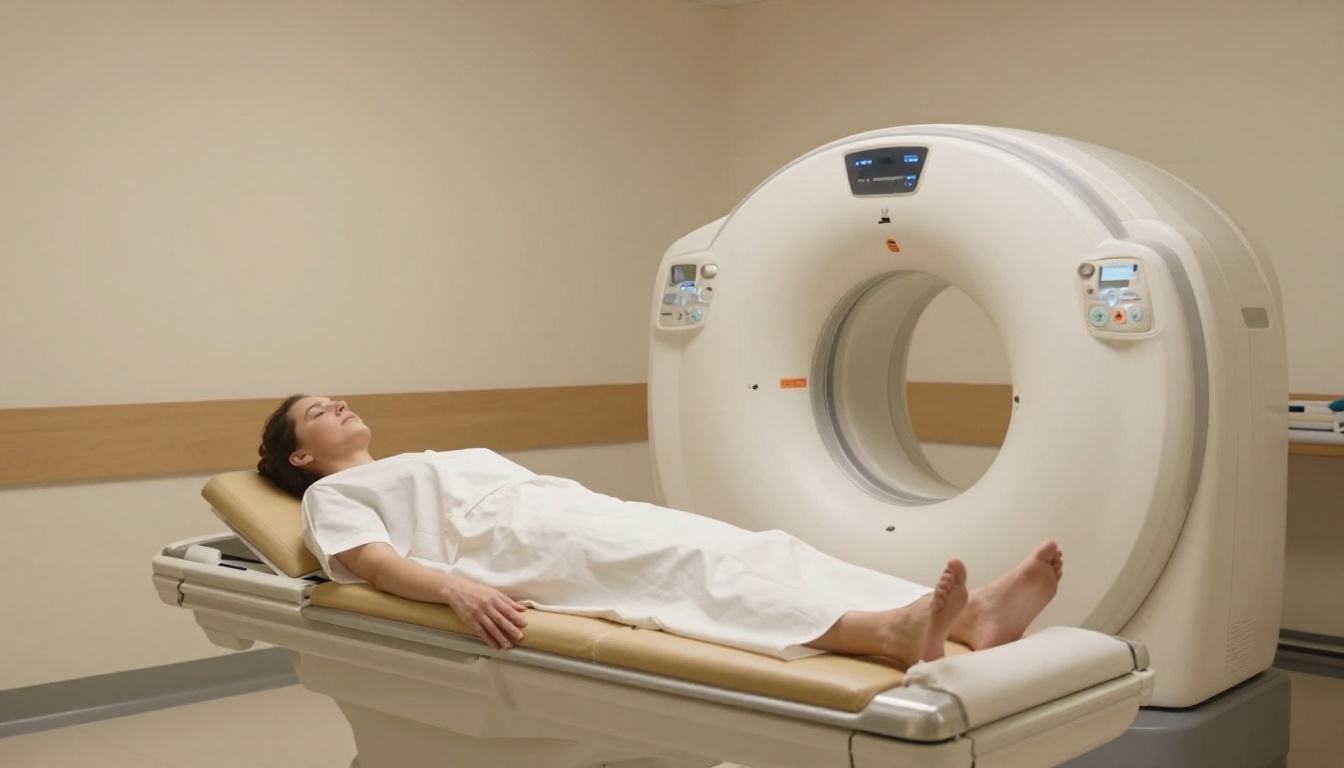
A full-body MRI takes about an hour. You lie still inside a narrow tube while magnets worth more than most cars map every organ, joint, and blood vessel in your body. When it finishes, a radiologist reviews hundreds of cross-sectional images looking for anything that should not be there. At Prenuvo, the company that has made full-body MRI scans a status symbol in Silicon Valley, this costs $2,499. At the Mayo Clinic's Executive Health Program, the same scan is folded into a two-day workup that runs north of $10,000. Add cardiac calcium scoring, genetic panels, advanced bloodwork, a DEXA scan, and a physician's time to walk you through all of it, and you arrive at the $25,000 tier of preventive medicine.
The question is whether any of it actually saves your life, or whether you are paying a premium to trade one kind of anxiety for another.
What the Package Typically Includes
Executive health programs vary, but at the $20,000-30,000 level, you are generally getting a combination of advanced imaging, comprehensive lab work, and extended physician consultations that your primary care doctor's annual physical does not touch. The best programs layer these intelligently based on your age, sex, family history, and risk factors. The worst stack every available test regardless of whether it is clinically indicated.
Executive Health Screening: Core Components at the $25K Tier
| Test | What It Measures | Cost (Standalone) | Clinical Value |
|---|---|---|---|
| Full-Body MRI | Soft tissue abnormalities, early tumors, organ health | $2,000-2,500 | Moderate — high sensitivity, high false positive rate |
| Coronary Calcium Score (CT) | Arterial plaque buildup | $100-400 | High — strong predictor of cardiac events |
| DEXA Scan | Bone density, body composition | $150-300 | Moderate — useful baseline after 40 |
| Advanced Blood Panel (100+ markers) | Metabolic, hormonal, inflammatory, cancer biomarkers | $1,500-3,000 | High — if interpreted by a knowledgeable physician |
| Genetic Testing (whole exome/genome) | Hereditary disease risk, pharmacogenomics | $500-2,500 | Variable — depends entirely on family history |
| VO2 Max / Cardiopulmonary Stress Test | Cardiovascular fitness, exercise capacity | $500-1,000 | High — one of the best longevity predictors |
| Executive Physician Consultation | Results interpretation, action plan | Included | Essential — tests without context are useless |
The total standalone cost of these tests, purchased separately, ranges from $5,000 to $10,000. The remaining premium at the $25,000 level covers physician access, same-day scheduling, private facilities, and the coordination of follow-up care. Whether that premium is worth it depends on how much you value your time and how much hand-holding you need navigating results.
The Tests That Genuinely Matter
Coronary Calcium Scoring
If there is one test in the entire executive health package that justifies the effort, it is the coronary artery calcium (CAC) score. This is a low-dose CT scan of your heart that takes about ten minutes and quantifies the amount of calcified plaque in your coronary arteries. The result is a number: zero means no detectable calcification, and anything above 100 warrants serious attention.
The evidence here is robust. The Multi-Ethnic Study of Atherosclerosis (MESA) followed over 6,000 people for more than a decade and found that a CAC score is a stronger predictor of heart attack and stroke than cholesterol levels, blood pressure, or family history alone. A score of zero in a middle-aged adult has a negative predictive value above 95% for a cardiac event in the next ten years. For a test that costs under $400 out of pocket and exposes you to about 1 millisievert of radiation (roughly equivalent to a mammogram), the risk-to-benefit ratio is remarkably good.
The catch: most guidelines recommend it primarily for people in the intermediate risk range for cardiovascular disease. If you are 35 with no family history and a healthy lifestyle, a CAC score will almost certainly be zero and tell you nothing you did not already know. If you are 50, male, with a parent who had a heart attack before 60, this test can literally redirect the course of your medical care.
Advanced Blood Panels
A standard annual physical checks roughly 20-30 blood markers. Executive health panels run 80-150+, adding tests like Apolipoprotein B (a better predictor of cardiovascular risk than LDL cholesterol), high-sensitivity C-reactive protein (systemic inflammation), fasting insulin (early insulin resistance detection), and a comprehensive hormonal panel including thyroid, testosterone, DHEA-S, and cortisol.
The value here is real but conditional. ApoB and Lp(a) — a genetic lipoprotein marker that roughly 20% of the population carries at elevated levels — are genuinely under-tested in standard care and can change treatment decisions. Lp(a) in particular is worth knowing once in your life because the result never changes, and if yours is elevated, it roughly doubles your cardiovascular risk independent of everything else.
The less useful additions are the sprawling panels of obscure biomarkers that some clinics include to pad the report. Knowing your interleukin-6 level or salivary cortisol rhythm sounds impressive but rarely changes a treatment decision in a healthy asymptomatic person. The best executive health physicians use targeted panels based on your profile. The worst hand you a 40-page report and let you spiral.
Cardiopulmonary Exercise Testing (VO2 Max)
VO2 max — the maximum amount of oxygen your body can use during intense exercise — has emerged as one of the strongest independent predictors of all-cause mortality. A landmark 2018 study in JAMA Network Open analyzed over 122,000 patients and found that low cardiorespiratory fitness was a greater risk factor for death than smoking, diabetes, or coronary artery disease. Moving from the bottom 25% to even the 25th-50th percentile cut mortality risk roughly in half.
This is a treadmill or cycle ergometer test with a mask measuring your gas exchange. It gives you a precise, objective number for your cardiovascular fitness. Unlike a blood test that you passively receive, this one tells you something you can directly act on, and the intervention — structured exercise — is free.
The Tests That Generate More Questions Than Answers
Full-Body MRI
The full-body scan has become the flagship product of the executive health world, partly because the technology is genuinely impressive and partly because a handful of tech executives have credited it with finding early-stage cancers. These stories are real. The problem is statistical.
Full-body MRI has high sensitivity — it is very good at detecting things. But it has moderate specificity, meaning a meaningful percentage of the "findings" on your scan will be incidental and benign. The radiology literature calls these "incidentalomas." Studies of asymptomatic adults undergoing full-body MRI consistently report that 30-80% of scans reveal at least one abnormality, most of which turn out to be clinically insignificant: small liver hemangiomas, benign thyroid nodules, ovarian cysts, minor disc bulges.
Each finding triggers a cascade. A nodule on your thyroid means an ultrasound follow-up. A suspicious shadow on your kidney means a CT scan with contrast. A questionable lesion means a biopsy. Each additional test carries its own costs, time, radiation exposure, and psychological burden. For every person whose full-body MRI catches a genuine early cancer, there are dozens who spend months in a follow-up loop that ends with "it was nothing."
This does not mean the test is worthless. It means the value depends heavily on the quality of the radiologist reading it and the physician interpreting results. At a high-volume center like Mayo or Cleveland Clinic, where radiologists read thousands of these scans, the false positive rate drops meaningfully compared to a boutique imaging clinic that opened last year. The physician's role is to contextualize findings, distinguish urgent from incidental, and prevent the downstream spiral of unnecessary testing.
Genetic Testing
Whole-genome sequencing has fallen below $500 in cost, making it trivially affordable to include in a premium health screening. The clinical utility, however, remains uneven. Pharmacogenomics — knowing how your body metabolizes specific medications — is genuinely practical and can prevent adverse drug reactions. BRCA1/2 testing for hereditary breast and ovarian cancer risk is well-established and actionable when positive.
Beyond these clear wins, the value drops off. Most genetic risk scores for common diseases like Type 2 diabetes or Alzheimer's provide probabilistic information that is difficult to act on and easy to misinterpret. Knowing you have a 1.4x relative risk for a condition that has a 10% baseline lifetime risk now means your risk is 14%. Is that meaningfully different in terms of what you should do tomorrow? Almost never.
The exception: if your family history includes early-onset cancers, cardiac events before 55, or rare diseases, targeted genetic testing through a program like the Executive Health track — where a genetic counselor walks you through results — can be genuinely valuable. The standalone consumer test that emails you a PDF is a different product entirely.
The Clinics Worth Considering
Not all executive health programs are created equal. The difference between a rigorous, evidence-based screening and an expensive reassurance exercise comes down to physician quality, follow-up infrastructure, and intellectual honesty about what tests can and cannot tell you.
Mayo Clinic Executive Health Program — Rochester, Jacksonville, or Scottsdale. Two full days. The gold standard for a reason: Mayo's model integrates every specialist under one roof, so if your imaging reveals something, a cardiologist or oncologist sees you that same day. The physicians are salaried, not incentivized to order more tests. Expect $8,000-12,000 for the core package, $15,000-25,000+ with add-ons. The waitlist can run 4-8 weeks.
Cleveland Clinic Executive Health — Similar depth to Mayo, slightly more cardiology-focused given Cleveland Clinic's heritage. Their cardiac workup is arguably the most thorough in the country. Pricing comparable to Mayo. The program is particularly strong for anyone with a family history of heart disease.
Lanserhof — The European counterpoint. Facilities in Germany, Austria, the UK, and Sylt. Lanserhof blends conventional diagnostics with a residential stay — think medical screening wrapped in a wellness retreat. One to two weeks, with daily physician consultations, nutritional therapy, and movement programming alongside the blood panels and imaging. The approach is more holistic and less purely diagnostic. Pricing starts around EUR 8,000 per week and climbs rapidly. Best suited for someone who wants the screening embedded in a broader reset rather than as a transactional two-day event.
Prenuvo — The disruptor. Prenuvo specializes in full-body MRI only, not comprehensive executive health. Their $2,499 scan is a single test, not a package. The experience is polished — clean clinics, efficient scheduling, results in a few days. Where Prenuvo falls short is in the follow-up: you get a report and a brief physician consultation, but the integration with ongoing care is your responsibility. For someone who already has a strong primary care physician or concierge doctor, Prenuvo as a standalone imaging add-on makes sense. As your sole preventive health strategy, it is incomplete.
Clinics to Approach with Caution
Be skeptical of any executive health program that leads with fear marketing ("catch cancer before it catches you"), bundles unproven tests like food sensitivity panels or "biological age" testing based on methylation clocks (interesting research, not clinically actionable yet), or charges $25,000+ without including a cardiopulmonary stress test or CAC score. Some concierge health startups have emerged in recent years with gorgeous facilities and aggressive marketing but thin clinical infrastructure. If the physician presenting your results is not board-certified in internal medicine or a relevant specialty, that is a red flag.
The Honest Math on Value
Here is the uncomfortable truth: for a healthy, asymptomatic person under 40 with no significant family history, most of what a $25,000 executive screening provides is expensive reassurance. The tests most likely to find something actionable — CAC score, ApoB, Lp(a), VO2 max — can be obtained for under $2,000 total. A good internist who orders the right tests based on your risk profile delivers 80% of the value at 10% of the cost.
The calculus shifts meaningfully after 40, with a family history of cancer or cardiac disease, or if you have specific symptoms your primary care doctor has been monitoring. In these cases, the comprehensive imaging and specialist access of a Mayo or Cleveland Clinic program can catch conditions years earlier than standard care would. Early detection of coronary artery disease, certain cancers (particularly pancreatic and renal), and metabolic dysfunction genuinely saves lives when it leads to timely intervention.
Who Benefits Most from Executive Health Screening
| Profile | Recommended Level | Estimated Cost | Key Tests to Prioritize |
|---|---|---|---|
| Under 40, no family history | Targeted blood panel + VO2 max | $1,500-3,000 | ApoB, Lp(a), fasting insulin, VO2 max |
| 40-55, moderate risk factors | Core executive screening | $5,000-12,000 | CAC score, advanced bloods, DEXA, stress test |
| 40-55, strong family history (cardiac/cancer) | Comprehensive program | $15,000-25,000 | Full imaging + genetics + all of above |
| 55+, any risk profile | Comprehensive program, annually | $15,000-25,000+ | Full suite with specialist integration |
The other variable is what happens after the screening. A $25,000 health assessment that generates a detailed report you never act on is pure waste. The real value materializes when results feed into ongoing care — medication adjustments, exercise programming, dietary changes, specialist referrals — with a physician who tracks your numbers over time. Some programs, particularly Mayo's and Lanserhof's, build in follow-up consultations at 6 and 12 months. Others hand you a PDF and wish you well.
A Practical Starting Point
If you have never done any executive-level screening and are considering it for the first time, a reasonable approach that balances thoroughness with evidence:
- Step one: advanced blood panel with a knowledgeable physician — ApoB, Lp(a), hsCRP, comprehensive metabolic panel, hormonal panel, HbA1c, fasting insulin. This alone will reveal most metabolic and cardiovascular risk factors. Many concierge medicine practices offer this for $500-1,500.
- Step two: coronary calcium score — if you are over 40 or have any cardiac risk factors. Under $400 at most imaging centers.
- Step three: VO2 max test — establishes your cardiovascular fitness baseline and gives you the single most actionable data point for longevity. $300-500 at a sports medicine clinic.
- Step four (conditional): full-body MRI — if family history warrants it, or if you want a comprehensive imaging baseline. Choose a high-volume center. Accept that incidental findings are likely and prepare yourself mentally for follow-ups that may lead nowhere.
- Step five (conditional): genetic testing — only with a genetic counselor, only if your family history suggests hereditary risk patterns.
Total cost for steps one through three: roughly $1,500-2,500. That gets you perhaps 70% of the actionable information from a $25,000 package. Whether the remaining 30% — comprehensive imaging, genetic panels, same-day specialist access, and the peace of mind that comes with the most thorough screening available — is worth the additional $20,000+ is a personal decision that depends on your risk profile, your net worth, and your temperament.
The best executive health screening is one that changes your behavior. If a $25,000 assessment motivates you to exercise five days a week, manage your ApoB, and take a statin you were resisting, it may be the best money you ever spend. If it generates a clean bill of health that you file away and forget, you have purchased the most expensive reassurance available.
Preventive medicine, done well, is one of the few areas where spending more money can genuinely buy more time. The key word is "done well." Choose the program for its physicians and follow-up infrastructure, not its waiting room furniture.
Looking for luxury brands, stores, and services? Browse our curated directory: