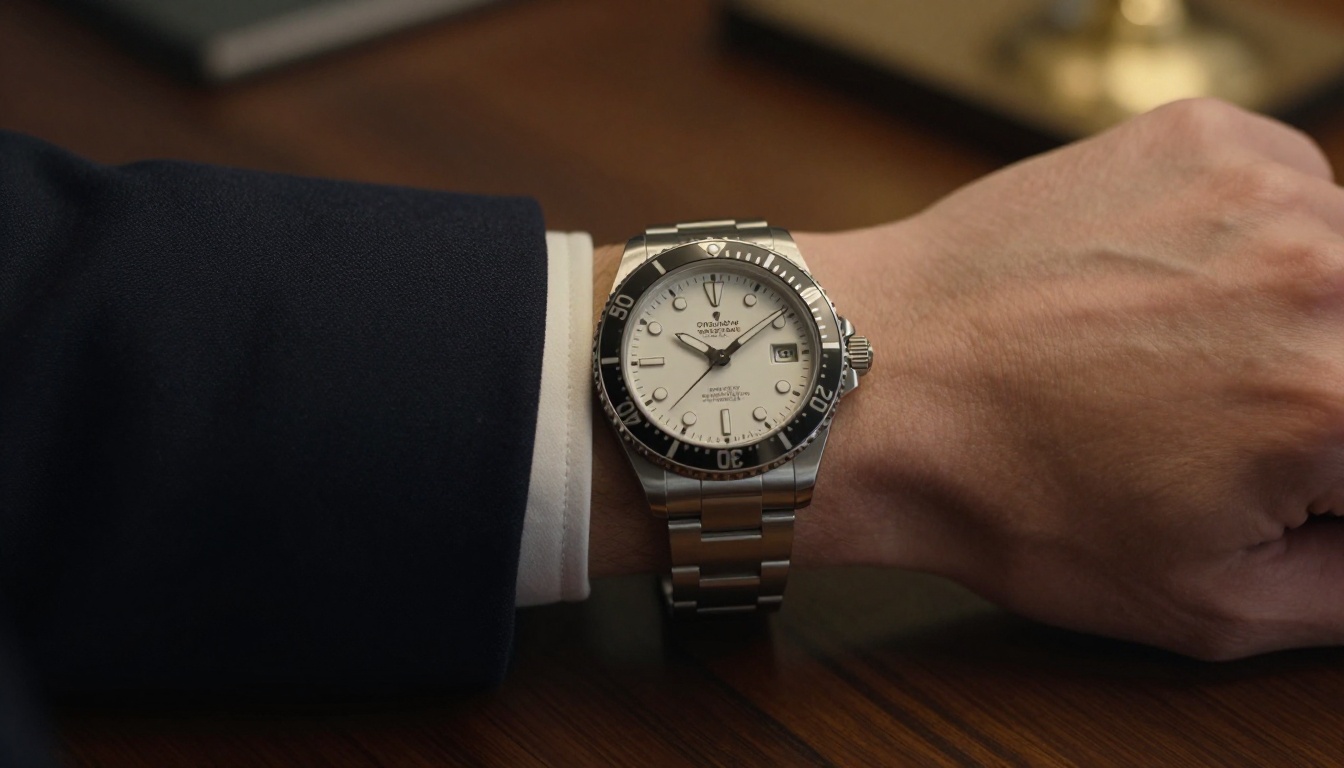
Every week, someone walks into a Rolex authorized dealer, asks for a Submariner, and gets told there's a waitlist. They nod, leave their name, and never hear back. Meanwhile, the guy who bought a Datejust six months ago just got a call offering him a GMT-Master II. This isn't a queue. It's a system — and the system has rules that nobody posts on the wall.
Rolex allocation is the single most misunderstood process in the watch world. Forums are full of contradictory advice, half of it outdated, the other half from people who've never actually been through it. Here's what actually works, what doesn't, and how long you should realistically expect to wait.
How Rolex Allocation Actually Works
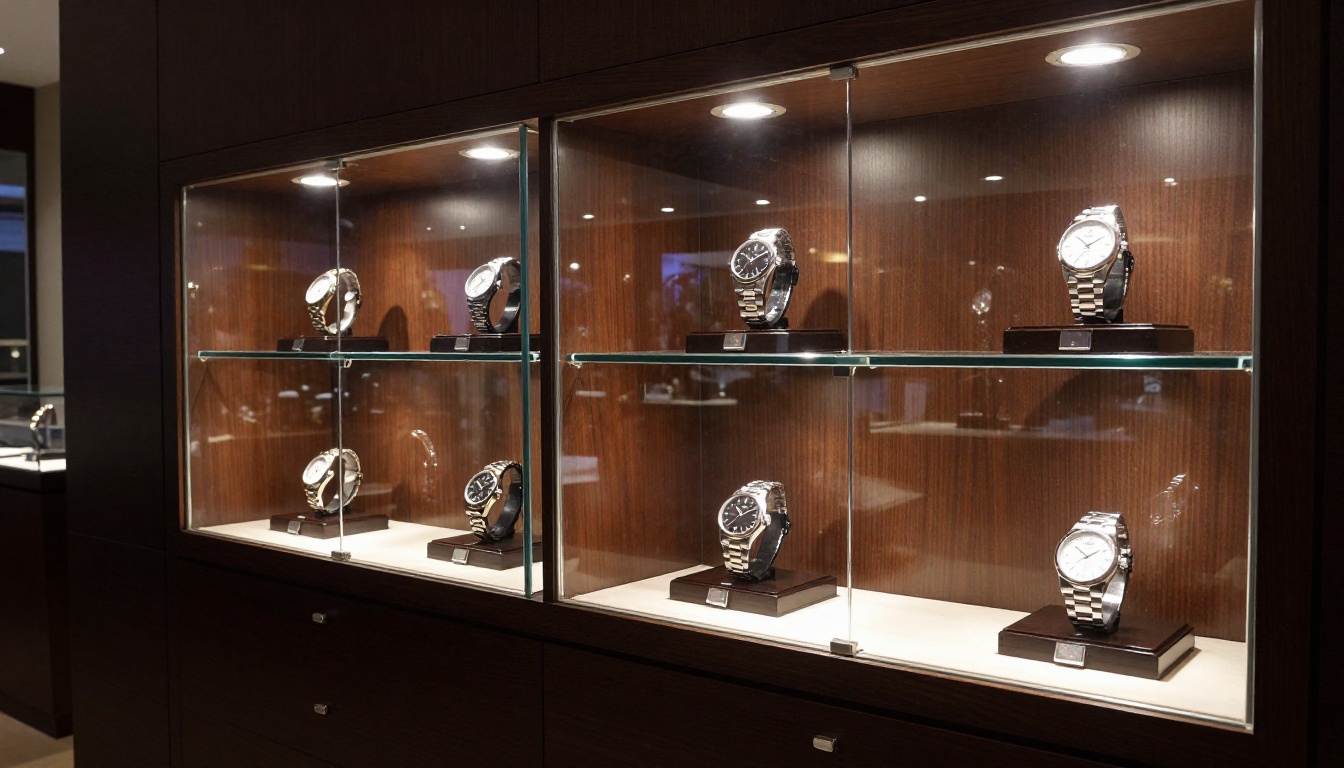
Rolex controls supply at the manufacturing level. They decide how many Submariners, GMT-Master IIs, Daytonas, and Sky-Dwellers each authorized dealer receives per quarter. The AD doesn't get to order more. They get what Rolex sends, and they decide who gets offered each piece. That decision is entirely at the dealer's discretion.
This is not a first-come, first-served waitlist. There is no official list at all — Rolex technically prohibits formal waitlists, though most ADs maintain some version of an interest list. The sales associate (SA) you work with is your advocate inside the dealership. When a steel arrives, the SA with the strongest case for their client gets the allocation. Your SA's internal standing matters almost as much as your relationship with them.
The hierarchy of desirability is roughly: Daytona (ceramic, steel) at the top, followed by GMT-Master II (Pepsi, Batman, Sprite), then Submariner Date, then Sky-Dweller steel. Everything else — Datejust, Oyster Perpetual, Air-King, Explorer — is available at most ADs with minimal wait, sometimes same-day.
What Actually Gets You the Call
The single most effective strategy is buying a watch they have in stock. Not as a bribe, not as a transaction — as a genuine purchase you'll wear. A Datejust 41 at $10,250, an Explorer at $8,550, or an Air-King at $8,550 establishes purchase history. You become a client, not a name on a list. The AD sees revenue from you, and your SA has something to point to when lobbying for your next allocation.
After that initial purchase, the game is consistency and patience. Visit every four to six weeks. Don't buy anything — just stop in, say hello, ask what's new. Bring your watch in for a look if you scratched the bracelet. Be a person, not a transaction. SAs remember the clients who treat them like human beings, not vending machines.
Tell your SA exactly what you want, but be flexible on the details. "I'd love a Submariner Date — black dial is my preference, but I'd be happy with the green" is a much better position than "black dial only, call me when you have it."
Flexibility on configuration dramatically improves your odds. The black-dial is the most requested. The green is slightly less so. If you're open to either, your SA has twice as many chances to place a watch on your wrist. The same applies to the — the Pepsi (red/blue) has the longest wait, while the black-and-green Sprite on Jubilee moves faster in most markets.
The Purchase History Sweet Spot
You don't need $50,000 in purchase history for a Submariner. At most ADs, one prior purchase in the $7,000-$10,000 range plus six months of relationship building is enough. For a GMT-Master II, one to two prior purchases and a year of patience is typical. The Daytona is another tier entirely — most ADs want to see $25,000-$40,000 in lifetime purchases and a multi-year relationship, though this varies enormously by location.
The key detail most people miss: the purchases need to be at the same AD, with the same SA. Spread $30,000 across three different dealers and you have no meaningful history anywhere. Concentrate it at one location and you're a valued client.
What Doesn't Work — and What Gets You Blacklisted
Walking into an AD cold and asking for a Daytona is the fastest way to be forgotten. The SA will politely take your information and file it somewhere between the recycling bin and oblivion. You've told them nothing about yourself except that you want the hardest watch to get, and you have no relationship with the store.
Equally counterproductive: calling every AD in your region and putting your name down everywhere. Authorized dealers within the same market communicate with each other, especially those owned by the same group. If three different SAs from Watches of Switzerland locations all see your name, you look like a flipper, not a collector. One AD, one SA, full commitment.
Never say "I'll buy anything to get on the list for a Daytona." This tells the SA you don't actually want what you're buying — you're treating their inventory as a toll booth. They've heard it a thousand times, and it doesn't work. If you're buying a Datejust, buy it because you want a Datejust. If you don't want a Datejust, don't pretend.
Offering cash on top, gifts, or anything that resembles a bribe will get you shown the door at any reputable AD. Rolex monitors this aggressively, and dealers risk losing their franchise for under-the-table dealings. Don't put your SA in that position.
Choosing the Right AD
Not all authorized dealers operate the same way. Large multi-brand groups like Watches of Switzerland (which owns Mayors in the US) and Bucherer (now owned by Rolex itself) have corporate allocation policies. Individual SAs may have less discretion over who gets what. The allocation committee makes decisions based on metrics — purchase history, frequency, and sometimes a point system.
Smaller independent ADs — family-owned jewelers who happen to carry Rolex — often allocate more personally. The owner knows clients by name. Decisions are made by people, not spreadsheets. If you're in a market with both options, the independent AD is usually the better bet for a first-time Rolex buyer without extensive history.
Geography matters enormously. In Manhattan, London, Dubai, and Hong Kong, the wait for a steel Submariner can stretch past 18 months even with purchase history. In a secondary city — think Kansas City, Birmingham, or Lyon — the same watch might be offered within three to six months. If you're willing to drive two hours to a less trafficked AD, your timeline compresses significantly.
Timing and Realistic Expectations
ADs receive shipments from Rolex throughout the year, but certain windows are more active. End of Q4 (November-December) often sees increased allocations as Rolex pushes annual production targets. January can be slow. New model launches at Watches and Wonders (typically April) create reshuffling — when a new GMT variant drops, existing inventory of the outgoing reference sometimes gets released to clear the pipeline.
Here are realistic timelines for someone who buys one watch at retail and maintains a consistent relationship with their SA:
- Datejust 36 or 41: Walk-in available at most ADs. No wait.
- Explorer or Explorer II: Available to slight wait. Days to 3 months.
- Submariner Date (black): 3-12 months.
- GMT-Master II (any configuration): 6-18 months.
- Daytona (steel, ceramic): 12-36 months. Often longer.
- Daytona (precious metal or Rainbow): Years, or never. Not realistic for most buyers.
These ranges assume a mid-size US or European market. In high-demand cities, add 50-100% to each estimate. In smaller markets, shave off a third.
When the Grey Market Makes More Sense
There's a calculation most allocation seekers never do. If a Submariner Date retails for $10,250 and trades on the secondary market for $13,500, the grey market premium is $3,250. If getting one at retail requires buying an $8,550 Air-King you don't really want and waiting nine months, you need to ask yourself: is the Air-King going to sit in a drawer? Will you sell it at a loss?
If the grey market premium is less than the cost of an unwanted "gateway" purchase plus the time value of your money, just buy it grey. Your time has a price, even if you haven't calculated it.
This math changes with the Daytona. The secondary premium there is $15,000-$20,000 over retail. At that spread, playing the AD game makes financial sense if you're patient. But for a Submariner or GMT where the premium has narrowed to $2,000-$4,000 in the current market, the grey market is a legitimate option — especially from established dealers like Takuya, DavidSW, or Chronext who offer warranties and authentication.
The Bottom Line
Rolex allocation is not a mystery. It's a relationship business dressed up as a supply problem. Buy something you genuinely want at one AD, build a real relationship with one SA, be patient, be specific about what you want, and be flexible on the details. That's it. No secret handshakes, no spending $50,000 on jewelry you don't need, no games.
The people who get allocated watches fastest are the ones who don't treat the process like a transaction. They're the ones the SA actually wants to call when a Submariner comes in — because they know the reaction will be genuine excitement, not a quick flip on Chrono24. Be that person, and the watch will come.
Looking for luxury brands, stores, and services? Browse our curated directory: