You have the money. You want a Birkin or a Kelly. You've heard you can't just walk in and buy one. That's correct — but the process isn't mysterious once you understand how it works. This is a practical guide to building the purchase history that gets you offered a quota bag at an Hermès boutique, written by someone who has navigated it and watched dozens of others do the same.
The short version: you need to spend money at Hermès on things that aren't the bag you want, build a genuine relationship with a Sales Associate, and wait. The long version is where the strategy lives.
How the System Actually Works
Hermès does not officially acknowledge any purchase requirement to buy a Birkin or Kelly. Publicly, the company maintains these bags are simply available when they're available. In practice, every Sales Associate tracks your spending in an internal client profile. Your purchase history, visit frequency, product preferences, and relationship quality all factor into whether you get "offered" a quota bag when one arrives in the store.
The term you'll hear is "building a profile." Your profile is the cumulative record of your engagement with a specific boutique. When Birkins arrive — typically a handful at a time — the store manager and SAs decide which clients receive offers based on these profiles. There is no waitlist. There is no queue. There is a judgment call made by people who know your spending habits.
The scarcity is engineered and deliberate. The purchase history requirement serves as both a loyalty filter and a revenue multiplier — it ensures the person buying a $10,000 bag has already spent multiples of that on other merchandise.
What to Buy: The Smart Spend Categories
Not all Hermès purchases are equal in the eyes of your SA. The goal is to buy items you'll genuinely use, that signal real brand affinity, and that hold reasonable resale value if you decide to part with them later. Here's the hierarchy.
Scarves ($400-$600)
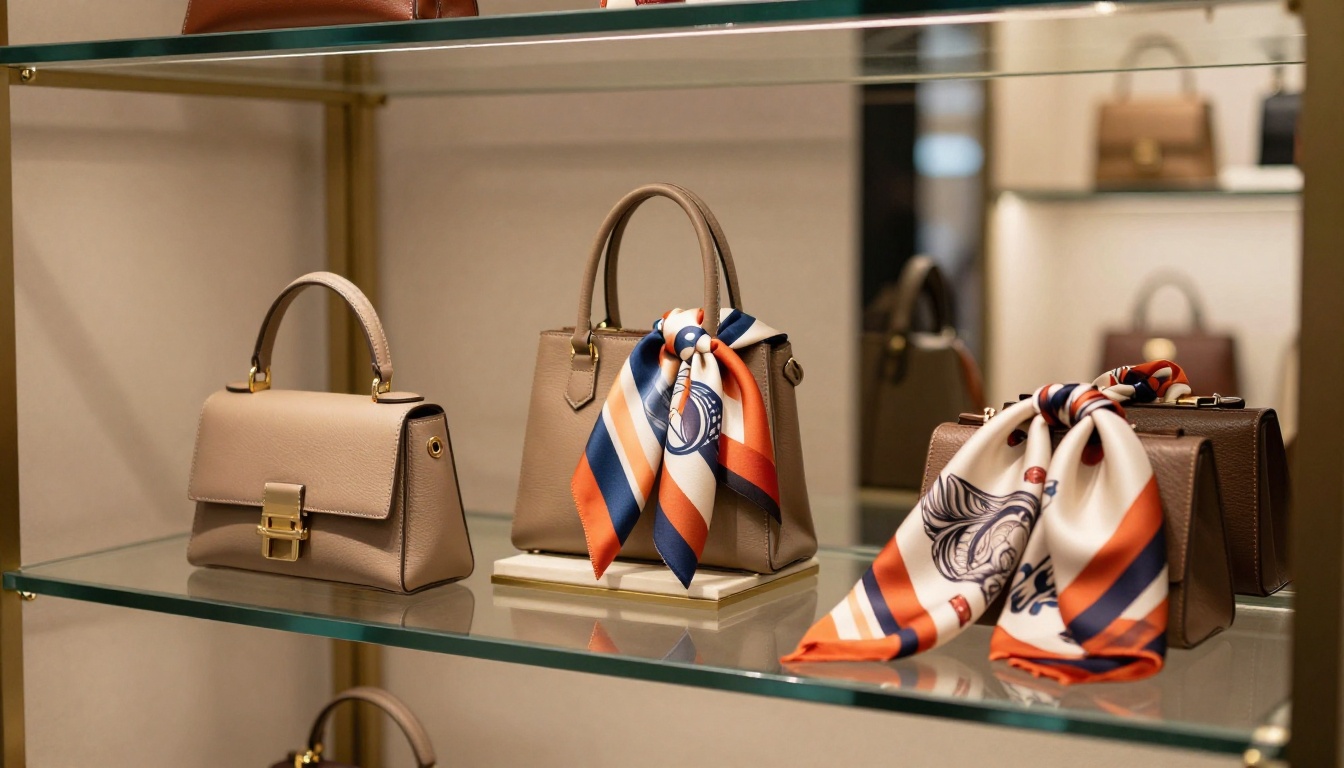
The Carré 90 is the classic entry point — a 90cm silk twill square at $460-$560. Buy patterns you'll actually wear or frame. The cashmere-silk shawls ($1,000-$1,200) carry more weight and are genuinely beautiful objects. Two or three scarves over several visits reads as authentic interest.
Shoes ($1,000-$1,500)
($760) and ankle boots ($1,300-$1,700) are strong picks. They're wearable, recognizable, and demonstrate you're integrating the brand into your wardrobe rather than checking boxes. Shoes register well on profiles because they're personal — you need to visit the store, try them on, interact with your SA. That face time matters.
Belts and Accessories ($700-$1,200)
The H buckle belt kit is a staple profile builder. You buy the buckle ($700-$900) and leather straps ($500-$600 each) separately, which creates multiple transactions and repeat visits. It's also one of the few Hermès accessories most people will wear daily. The ($700) fills a similar role for jewelry.
Fragrance ($150-$350)
Terre d'Hermès, Twilly, and Un Jardin sur le Nil won't move the needle dramatically on spend totals, but they add purchase frequency to your profile. Buying a fragrance every few months signals habitual brand engagement. At $170-$350 per bottle, it's low-cost consistency.
Home and Tableware ($200-$2,500)
This is where serious profile builders separate themselves. The ($1,750-$2,100) is a significant single purchase that shows lifestyle commitment. Mosaïque au 24 tableware, Balcon du Guadalquivir plates, and Bleus d'Ailleurs tea sets range from $200 for a single mug to $2,500 for a full place setting. Home goods signal wealth that extends beyond personal accessories — your SA reads it as someone who lives with Hermès, not just wears it.
Ready-to-Wear ($2,000-$8,000)
Cashmere sweaters, silk blouses, and lightweight jackets carry real weight on your profile. RTW purchases in the $3,000-$6,000 range demonstrate the spending capacity that reassures an SA you'll follow through on a bag offer without hesitation. The downside: Hermès RTW loses 50-70% of its value on resale, so only buy pieces you'll actually wear.
What Not to Buy
Experienced SAs can spot a client who's gaming the system from across the sales floor. Buying a $300 keychain, a $200 paperweight, and a $150 notebook in rapid succession signals exactly one thing: you're farming a profile to get a bag offer. It's the Hermès equivalent of obvious card counting — technically allowed, but it marks you.
Avoid small leather goods you have no use for — card holders, coin purses, and luggage tags bought purely to inflate transaction counts. Skip novelty items like emoji charms and seasonal knick-knacks. The irony of this system: the more authentic your buying pattern appears, the faster you get offered. The more calculated it looks, the longer you wait.
Your SA knows why you're there. The question isn't whether they know — it's whether your purchases tell a story that makes sense beyond the bag at the end of it.
The SA Relationship: Your Single Most Important Variable
Pick one store. Pick one SA. This is not negotiable. Splitting purchases across boutiques or associates dilutes your profile and signals that you're shopping around rather than building loyalty. Your SA is your internal advocate — when bags arrive and names are discussed, they're the person arguing your case to the store manager.
Visit consistently, every two to four weeks. You don't need to buy every time, but you need to show up. Accept invitations to store events and seasonal previews. Remember your SA's name, treat the interaction as a relationship rather than a transaction. These people manage hundreds of clients — the ones who stand out make the experience pleasant.
Be direct about your interest in a Birkin or Kelly — but don't make it the only thing you talk about. A first visit might include: "I'm hoping to eventually be considered for a Birkin. In the meantime, I'd love to explore your scarf collection." That's honest and gives your SA something to work with. Avoid ultimatums, impatience, or name-dropping.
Spend-to-Bag Ratios: What to Realistically Expect
This is the question everyone wants a number for, and the honest answer is that it varies wildly. Flagship stores — Faubourg Saint-Honoré, Madison Avenue, Ginza — reportedly require $40,000 to $100,000 or more in purchases before a first offer. These are the most competitive locations with the longest client lists.
Secondary market boutiques tell a different story. Cities like Dallas, Munich, Osaka, and Zurich have reported ratios in the $15,000 to $30,000 range. Some clients at newer or less trafficked locations have been offered bags after as little as $8,000 to $12,000 in purchases, though these cases are outliers rather than norms.
None of these figures are guarantees. Hermès does not publish ratios, and your SA will never confirm a threshold. The numbers circulate through online communities and word of mouth — treat them as directional, not definitive.
Timeline and Your First Offer
Most clients who execute this process deliberately receive their first bag offer within six to eighteen months. A small percentage get lucky in three months, usually at lower-traffic boutiques or through exceptional SA chemistry. Others wait two years or more, particularly at flagships or if their visit frequency is inconsistent.
Your first offer will almost certainly not be the exact bag you envisioned. Expect a Birkin 30 or Kelly 28 in a seasonal or non-neutral color — think Vert Cypress, Bleu Nuit, or Rose Pourpre rather than Black, Gold, or Etoupe. The classic neutrals come after you've demonstrated deeper loyalty, often after accepting and purchasing your first allocation gracefully. Declining an offer is your right, but it resets the clock significantly. Most advisors recommend accepting your first offer regardless of color.
Accept your first offer. The bag you wanted comes second. The relationship that produces it year after year is what you're actually building.
The 2024 Antitrust Lawsuit
In March 2024, Lam v. Hermès International was filed in California, alleging that the purchase history requirement constitutes an illegal tying arrangement — forcing consumers to buy unwanted products as a condition of accessing desired ones. The case survived a motion to dismiss in June 2024, meaning a court found the claims plausible enough to proceed.
Whether this changes the system remains unclear. Hermès has denied the allegations. Even if the plaintiffs prevail, a court order might require Hermès to sell bags without purchase conditions — but it wouldn't compel them to produce more. Scarcity persists regardless of legal outcomes. For now, the game continues as described above.
Is It Worth It? The Honest Math
Let's run the numbers plainly. Suppose you spend $30,000 on Hermès merchandise over twelve months to earn an offer on a Birkin 25 in Togo leather at $10,900 retail. That Birkin resells for $18,000 to $22,000 on the secondary market. You've "made" $7,000 to $11,000 on the bag itself — but you've spent $30,000 on scarves, shoes, blankets, and cashmere to get there.
Some of those ancillary purchases hold value. Hermès belts and jewelry retain 50-70% on resale. Scarves and RTW lose considerably more. Realistically, your $30,000 in supporting purchases might be worth $12,000-$18,000 if you sold everything. Add the bag profit and you're roughly breakeven, or modestly negative.
The calculation only makes sense under one condition: you genuinely want the other items. If you'd buy Hermès scarves, shoes, and homeware regardless — and the Birkin is a bonus that arrives along the way — the economics are excellent. If you're buying things you don't want solely to unlock a bag, you're paying a steep premium for the privilege. Know which category you fall into before you start, and plan accordingly.
Looking for luxury brands, stores, and services? Browse our curated directory: