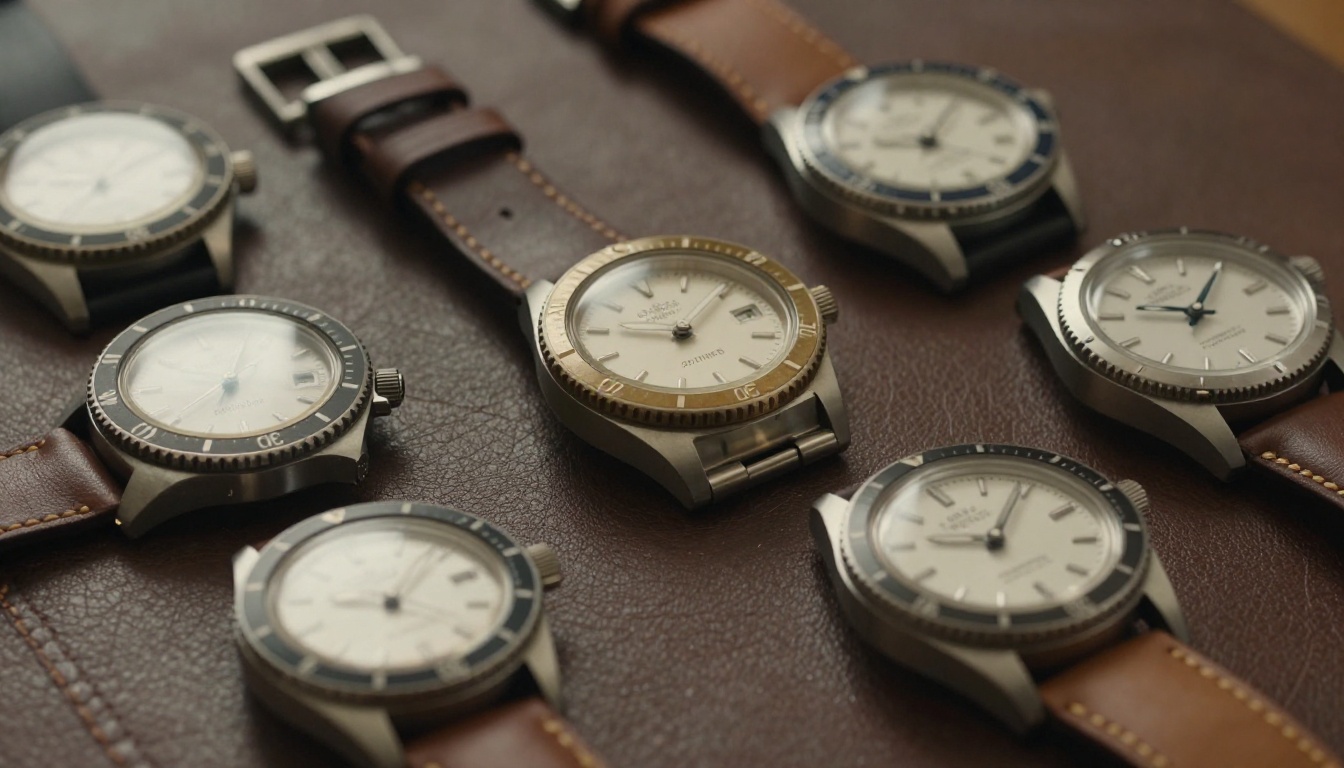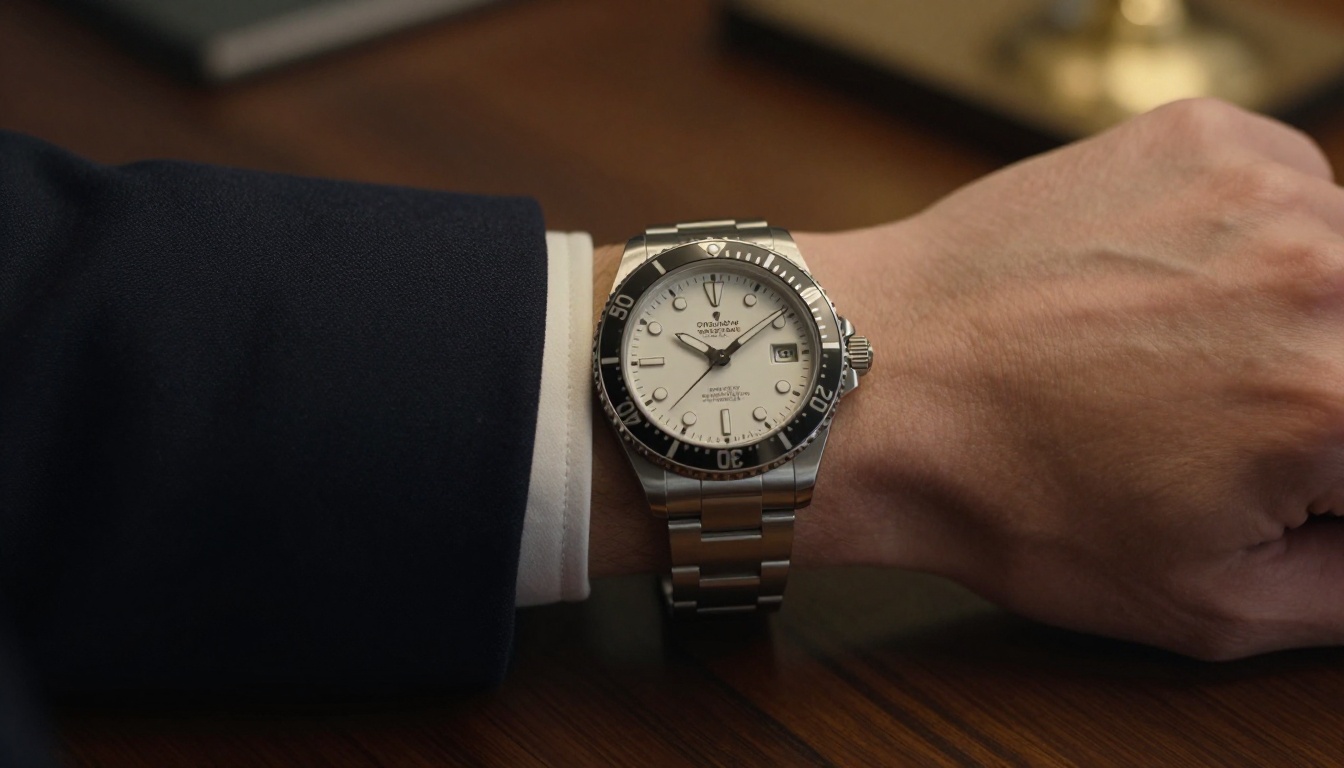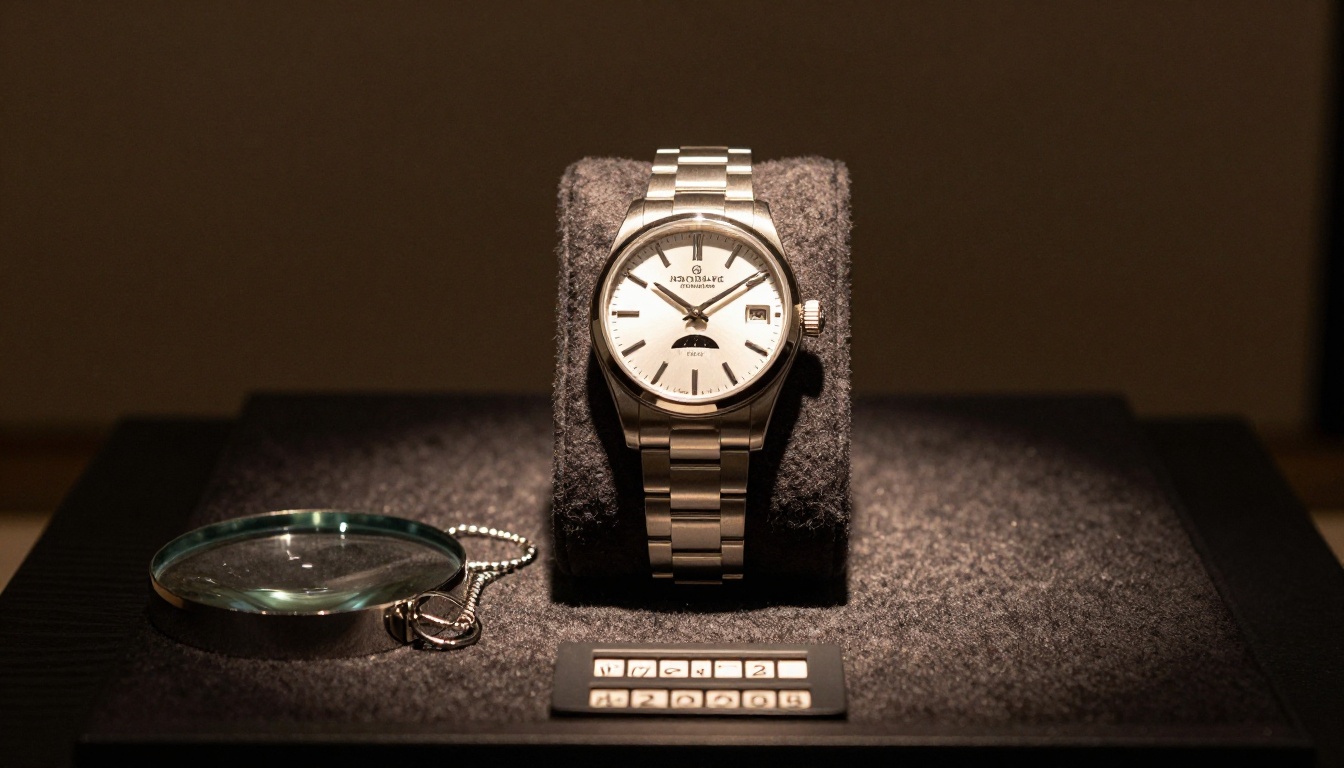
Somewhere in 2016, two people each had $13,150 to put somewhere. One bought a Rolex Daytona 116500LN at retail. The other put a down payment on an investment property. Ten years later, the Daytona trades for $28,000 to $33,000 on the secondary market. That's a 10-15% annualized return, sitting on a wrist, requiring no tenants, no property management, and no 3 a.m. calls about a burst pipe. The average U.S. residential property returned roughly 5-7% annually in the same period. The S&P 500 delivered about 10% with stomach-churning volatility along the way. The watch just sat there, keeping time and looking sharp.
This is not an argument that watches are better investments than equities or real estate. But certain watches, from certain manufacturers, have demonstrated a pattern of value retention that makes them worth understanding — especially if you're going to spend the money anyway. If you're buying a watch regardless, which ones will cost you the least to own over a decade?
Why Certain Watches Refuse to Depreciate
The economics are straightforward once you understand the supply side. Rolex produces roughly one million watches per year across its entire catalogue. That sounds like a lot until you consider that global demand for Rolex alone has been estimated at three to five times that number. The waitlists at authorized dealers — two years for a Submariner, three to five years for a Daytona, indefinite for certain Patek Philippe references — are not manufactured scarcity theatre. They reflect genuine production constraints from brands that have chosen craftsmanship pace over volume.
Distribution control matters enormously. Rolex, Patek, and Audemars Piguet maintain tight dealer networks and cut off retailers who flip to the grey market. This pushes unsatisfied demand to secondary markets, where prices float above MSRP. Unlike a car, which loses 20% the moment you drive off the lot, a steel sport watch from the right brand can appreciate the moment you walk out of the boutique.
Then there's durability. A mechanical watch serviced every five to seven years will function for generations. No engine to rebuild, no roof to replace, no software to become obsolete. Physical resilience plus emotional demand plus constrained supply: that's the entire formula.
A Rolex Daytona has returned 10-15% annually over the past decade. It required no property manager, no rebalancing, and no quarterly earnings calls. It did require occasional polishing.
The Top Performers: Ten Years of Appreciation
The data here is drawn from secondary market pricing tracked by WatchCharts and Chrono24, comparing original retail prices in 2016 to current trading ranges in 2026. These are the watches that have consistently outperformed or matched broad market indices.
Value Retention Performance: 2016-2026
| Watch | 2016 Retail | 2026 Market Value | Annualised Return |
|---|---|---|---|
| Patek Philippe Nautilus 5711/1A | $30,000 | $70,000-$90,000 | 12-15% |
| Rolex Daytona 116500LN | $13,150 | $28,000-$33,000 | 10-15% |
| Rolex GMT-Master II Batman | $9,700 | $16,000-$18,000 | 6-8% |
| Audemars Piguet Royal Oak 15500ST | $22,000 | $35,000-$40,000 | 6-8% |
| Rolex Submariner 116610LN | $8,550 | $12,000-$14,000 | 4-6% |
| Omega Speedmaster Professional | $6,350 | $6,500-$7,500 | 1-2% |
| S&P 500 (benchmark) | - | - | 10% |
| U.S. Residential Property (benchmark) | - | - | 5-7% |
The Rolex Submariner 116610LN retailed for $8,550 in 2016 and now trades between $12,000 and $14,000. This is the workhorse of the value-retention world — not the flashiest return, but as reliable as the movement inside it. The Submariner is the watch that proved a tool watch could be a dress watch, and global demand has never wavered. It's the blue-chip stock of horology.
The Rolex GMT-Master II 126710BLNR (the Batman) retailed at $9,700 and now commands $16,000 to $18,000. The GMT function makes it a practical travel watch, which keeps it on wrists rather than in safes. Watches that get worn stay desired.
The Patek Philippe Nautilus 5711/1A is the headliner. Retail was approximately $30,000. Current market value sits between $70,000 and $90,000, spiking further when Patek discontinued the reference in 2021. You cannot buy this watch at any authorized dealer on earth. That fact alone sustains the price.
The Audemars Piguet Royal Oak 15500ST retailed for around $22,000 and now trades between $35,000 and $40,000. Gerald Genta's 1972 design aged so well that the current model is dimensionally almost identical to the original. The Royal Oak occupies the same space as the Nautilus — steel sport watch, integrated bracelet — but with slightly less hype and slightly more availability. That gap is narrowing.
The Omega Speedmaster Professional with the caliber 3861 movement retailed at $6,350 and trades between $6,500 and $7,500. This is not a growth story. This is a capital preservation story. The Speedmaster won't double your money, but it won't lose it either, and you'll own the watch that went to the moon. For someone who wants to wear something significant without the anxiety of price volatility, the Speedmaster is the answer.
The Sleeper Picks: Where Smart Money Is Moving
The watches above are proven. The more interesting question is: what will the next decade's top performers look like? Several models show early indicators — rising premiums, growing waitlists, expanding collector communities, and brand trajectories pointing upward.
Sleeper Picks to Watch
| Watch | Retail Price | Current Trajectory | Why |
|---|---|---|---|
| Cartier Santos Medium | $7,650 | Premiums emerging | First-ever purpose-built wristwatch (1904), fashion-collector crossover |
| Grand Seiko SLGA007 White Birch | $5,800 | Cult following | Spring Drive movement, finishing rivals brands at 3x the price |
| Tudor Black Bay 58 | $3,800 | Steady demand | Rolex sister brand, 39mm sweet spot, entry-level value play |
| Vacheron Constantin Overseas | $20,500 | Undervalued | Holy Trinity sport watch, best strap system, 1755 heritage |
The Cartier Santos Medium, at a retail price of $7,650, is the watch that fashion-aware collectors are quietly accumulating. Cartier's horological credentials are deeper than many enthusiasts acknowledge — the Santos was literally the first purpose-built wristwatch in 1904 — and the current medium-sized version hits a sweet spot of wearability, history, and design. Supply has been tightening for over a year, and grey market premiums are starting to appear.
Grand Seiko's SLGA007, the White Birch, retails for $5,800 and has developed the devoted following that precedes significant appreciation. The textured dial, inspired by birch forests near Grand Seiko's studio, is finished to a standard Swiss brands charge three times as much to match. The Spring Drive movement produces a sweep so smooth it looks like time itself has been polished. This is the watch that signals knowledge rather than wealth.
The Tudor Black Bay 58, at $3,800 retail, is the entry point to value retention. Tudor is Rolex's sister brand, sharing manufacturing facilities and quality standards at a lower price point. The 39mm case wears beautifully on almost any wrist, and the vintage-inspired design references Tudor's dive heritage from the 1950s. For someone buying their first serious watch, this is where to start.
The Vacheron Constantin Overseas at $20,500 is the least discussed of the so-called holy trinity's sport watches. Patek has the Nautilus, AP has the Royal Oak, and Vacheron has the Overseas — which, despite coming from the oldest continuously operating watchmaker in the world (founded 1755), generates a fraction of the secondary market heat. That disparity looks increasingly like an opportunity. The interchangeable strap system is the best in the industry, and the finishing on the movement rivals anything at twice the price.
What Won't Hold Value: The Depreciation Traps
Not every expensive watch stores value well, and the mistakes are predictable. Fashion watches — anything under $1,000 from brands whose primary business is not watchmaking — depreciate like consumer electronics. A $900 fashion-brand watch will be worth $150 in five years. You are paying for marketing, and marketing has no residual value.
Gold watches, counterintuitively, underperform steel in resale. A steel Submariner retains 80-100% over a decade; the same model in yellow gold may retain 50-70%. Steel sport watches are what the market wants. Gold reads as ostentatious to the current generation of collectors, and the smaller buyer pool means lower prices.
Aftermarket modifications are value destroyers. A factory Rolex with aftermarket diamonds is worth less than the same watch in original condition, sometimes dramatically so. An unpolished, fully original watch with visible wear will outsell a modified one every time. If it didn't leave the factory with diamonds, adding them subtracts value.
And be cautious with limited editions. A run of 500 pieces from a respected manufacturer will hold or appreciate. A run of 5,000 pieces is not limited — it's a marketing exercise with a number attached. True scarcity requires true constraint, and the market has learned to distinguish between the two.
The watches that lose value share one trait: they were bought for how they looked on the day of purchase rather than for what they represented in the long arc of horology.
The Honest Caveat: What the Numbers Don't Tell You
Watches are not liquid assets. You cannot sell a Rolex Daytona in 30 seconds the way you can sell an index fund. The secondary market requires either a dealer (who will take a 15-25% margin) or a private sale (which takes time and carries risk). Insurance runs $50 to $200 per year per watch depending on value and location. Servicing — which is non-negotiable if you want the movement to function properly and the value to hold — costs $500 to $2,000 every five to seven years depending on the brand and complication level.
The right framework is this: buy the watch you want to wear. Buy it from a brand with manufacturing heritage and controlled distribution. Buy it in steel unless you have a specific reason to choose gold. Keep it original, keep it serviced, keep it insured. Then forget about the investment thesis entirely. Wear it every day. Let it collect scratches and stories. The value retention is a pleasant side effect of owning something made with genuine intention. If you are buying a watch purely as an investment, you have already misunderstood why these objects hold their value. People want them because they are worth wanting. That impulse — human, irrational, persistent — is the only engine that matters.
Looking for luxury brands, stores, and services? Browse our curated directory: