There is a difference between buying a suit and having one made for you, and Savile Row is where that difference was invented. If you have never commissioned a bespoke suit before, the process can seem intimidating — a closed world of cutters and chalk, pattern paper and hand-stitched buttonholes, where the price of entry starts around five thousand pounds. It shouldn't be. The whole point of Savile Row is that someone with decades of training is going to make your life easier, not harder.
What follows is a walkthrough of the entire process, from choosing a house to picking up the finished garment, written for someone who can afford £5,000 to £15,000 and wants to understand exactly what that money buys.
What Bespoke Actually Means on Savile Row
The word "bespoke" gets thrown around loosely now, attached to everything from sneakers to cocktails. On Savile Row, it means something precise: a paper pattern is drafted from scratch for your body alone. No existing template is adjusted. A cutter takes dozens of measurements, studies how you stand, notes which shoulder sits higher, observes how your posture shifts — and then creates a unique pattern that will remain on file at the house for years, sometimes decades.
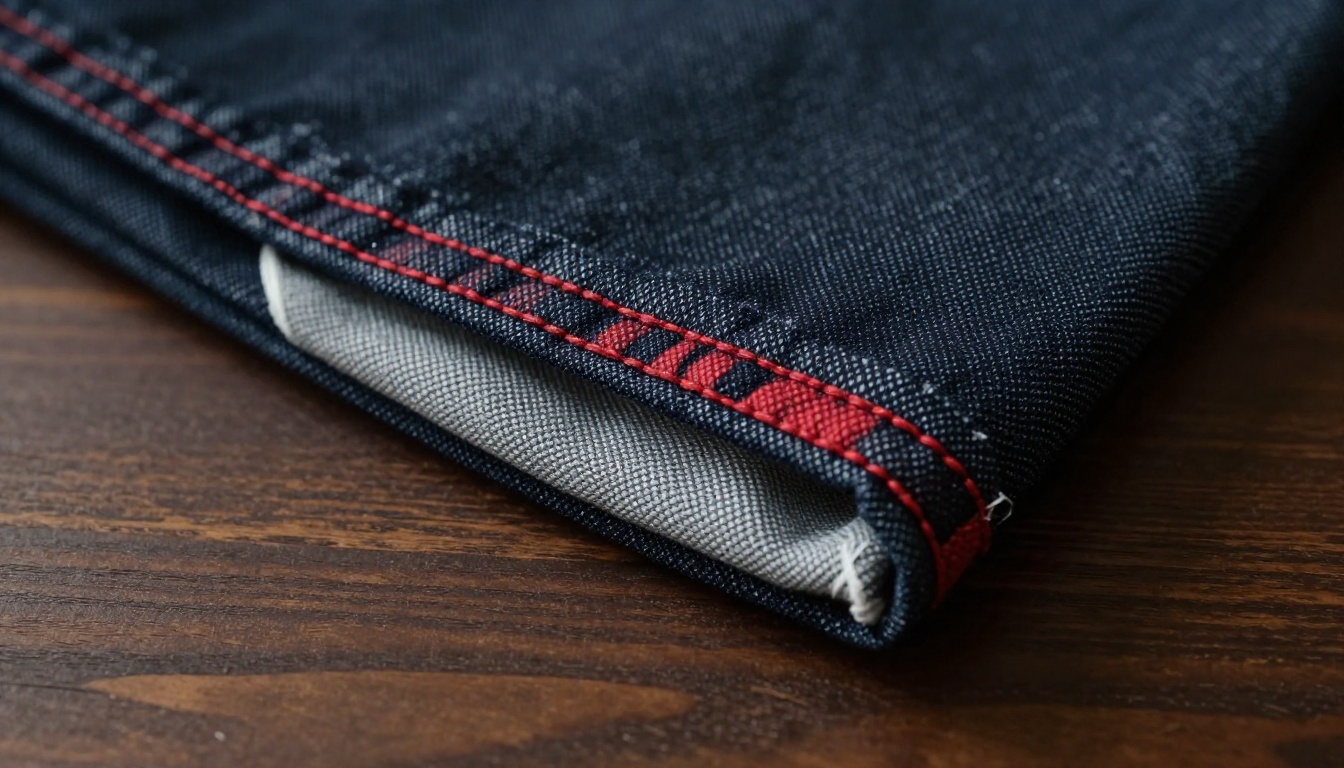
The suit is then constructed largely by hand. Buttonholes are hand-sewn. Lapels are hand-padded. The canvas — the internal structure that gives a jacket its shape — is stitched in rather than fused with glue. A single suit involves 60 to 80 hours of skilled handwork across multiple fittings, spread over two to three months. The result is a garment that moves with your body in a way no off-the-rack or made-to-measure suit can replicate.
This distinction matters. Made-to-measure starts with a pre-existing pattern and adjusts it to your measurements. The construction is largely machine-sewn. It produces a good suit — sometimes a very good suit — but it is a fundamentally different product. If you are spending Savile Row money, you should be getting Savile Row craft.
The Houses and Their Signatures
Every Savile Row house has a distinct silhouette, a cut that has evolved over decades and reflects the aesthetic philosophy of its head cutter. Choosing the right house is the most important decision you will make, because you are not just buying a suit — you are buying a particular school of tailoring.
Henry Poole & Co (established 1806) is the original Savile Row tailor, the house that invented the dinner jacket. Their cut is classically English: strong shoulder line, natural chest, structured but not stiff. If you want a suit that says nothing louder than "this fits perfectly," Henry Poole is where to start. Two-piece suits begin around £5,500.
Anderson & Sheppard takes the opposite approach. Their cut is soft, draped, and fluid — minimal shoulder padding, a chest that follows your natural shape rather than imposing one. Fred Astaire was a client, and Prince Charles has been for decades. This is the house for someone who wants ease over architectural precision. Expect to start around £5,800.
Huntsman is the most structured house on the Row. Their silhouette is almost military: sharp shoulders, a high armhole, a dramatically defined waist, and a longer skirt on the jacket. Gregory Peck wore Huntsman. So did Katharine Hepburn. Two-piece suits start around £7,000 and climb quickly with premium cloth.
Gieves & Hawkes, at No. 1 Savile Row, carries genuine military heritage — Royal Warrants, naval officers dressed for over two centuries. Their cut sits between Anderson & Sheppard's drape and Huntsman's structure, offering a slightly more modern line. Two-piece suits start around £5,000.
Ozwald Boateng broke with tradition when he opened on the Row in the 1990s. Slimmer cuts, higher buttons, bolder colors, and a willingness to play with proportion. If you want Savile Row craft in a silhouette that reads as modern rather than heritage, Boateng delivers both. Prices start around £5,000.
You are not choosing a suit. You are choosing a cutter — the person who will interpret your body, your preferences, and your life into cloth. The relationship with that cutter is the real investment. Everything else follows from it.
The Process: Consultation Through Delivery
A Savile Row bespoke suit requires three to four fittings over eight to twelve weeks. Some houses take longer. None should take less. Here is what happens at each stage.
The Consultation
Your first visit lasts about an hour and involves no sewing at all. The cutter will talk to you about what you need the suit for, what you already own, and how you dress day to day. Then they will measure you — not just chest and waist, but the slope of your shoulders, the curve of your back, the way your arms hang naturally. They are building a three-dimensional map of your body that will translate into a flat paper pattern.
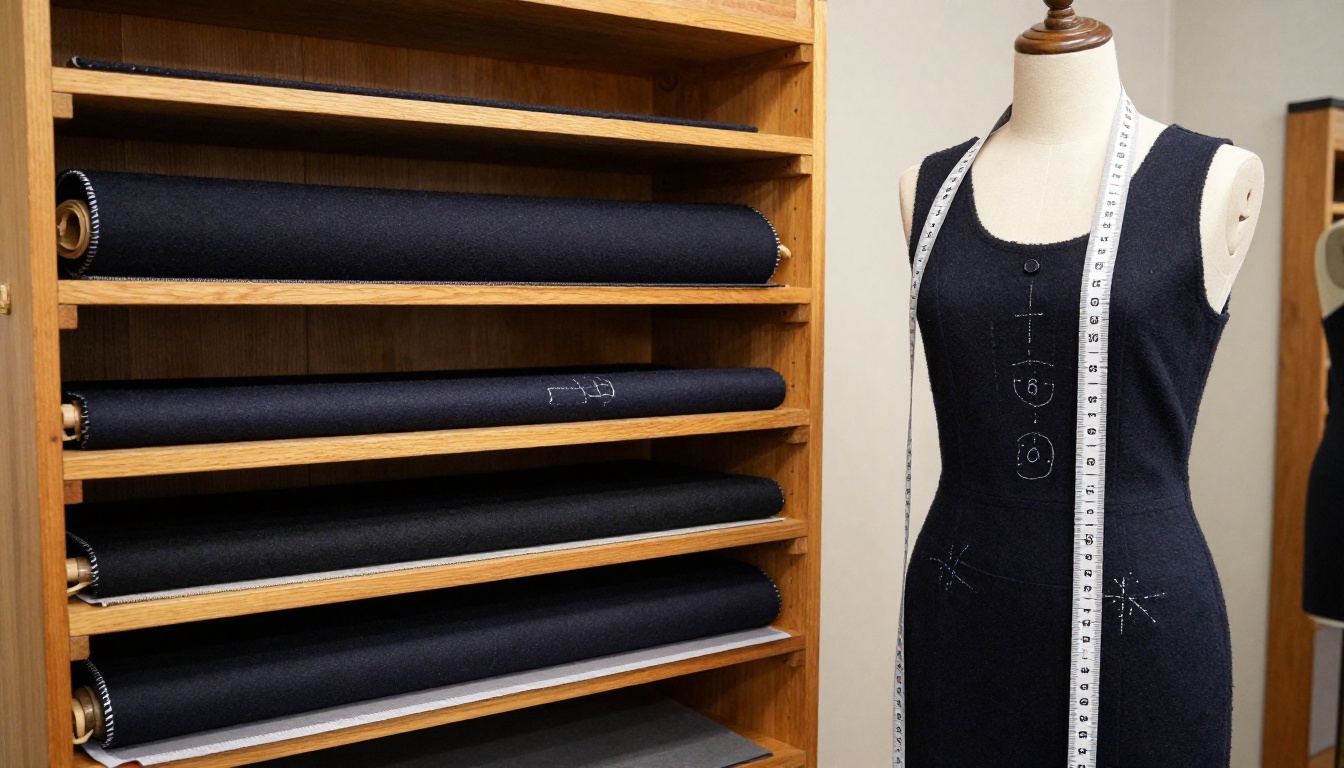
This is also when you choose fabric. Savile Row houses carry books from the finest mills: Holland & Sherry, Dormeuil, Scabal, Loro Piana, Vitale Barberis Canonico, and others. You will be choosing from thousands of swatches. For business and year-round wear, a Super 120s to Super 150s worsted wool in the 280 to 320 gram range is the standard. Heavier cloths — flannels, tweeds, cavalry twills — are for country wear and cooler months. Lighter open-weave fabrics and linens come out for summer.
First Fitting (Baste Fitting)
Two to three weeks after the consultation, you return for the baste fitting. The suit exists in raw form: canvas and basting stitches, no lining, no finished edges. It looks rough. That's the point. The cutter is checking the foundational architecture — shoulder line, chest drape, balance front to back. You will see the silhouette of your suit for the first time, and the cutter will mark adjustments directly on the fabric with chalk. This fitting typically takes 30 to 45 minutes.
Second Fitting (Forward Fitting)
The suit is now closer to its final form. Pockets are in position. Lapels are shaped and beginning to show their roll. Sleeves are set. The cutter refines details at this stage: jacket length, waist suppression, the pitch of the sleeves, trouser break. If you want to change anything about the design — a ticket pocket, a wider lapel, a different button stance — this is your last realistic opportunity.
Third Fitting and Delivery
By the third fitting, the suit is nearly complete. The lining is in, buttonholes are finished, pockets are functional. This fitting is about fine-tuning: a fraction of an inch off a sleeve, a slight adjustment to the collar, pressing and finishing details. Some clients approve the suit at this stage and take delivery on the spot. Others prefer a fourth fitting, particularly for their first commission, when everything is new. From initial consultation to final delivery, expect 10 to 14 weeks. Huntsman and a few other houses may take 12 to 16.
What to Order and What It Will Cost
For your first commission, order a navy two-piece in a mid-weight worsted wool — 280 to 320 grams, Super 120s or Super 130s, from a reliable mill like Holland & Sherry or Dugdale Bros. Navy is the foundation suit. It works for business, dinners, weddings, and funerals. It travels well. It pairs with every shirt and every shoe you own. Save the grey flannel for your second suit, the summer linen for your third, and the dinner jacket for your fourth.
Pricing across the established houses follows a fairly consistent range. A two-piece suit runs £5,000 to £6,500 at most houses, rising to £7,000 to £9,000 at Huntsman. Premium fabrics — vicuna, certain Scabal and Dormeuil exclusives — push the total to £12,000 or higher. Bespoke trousers alone cost £1,500 to £2,500. Bespoke shirts, which several houses offer, run £250 to £400 each and are worth commissioning once you have your first suit sorted.
A navy worsted two-piece is to your wardrobe what a Steinway is to a concert hall — the foundation on which everything else performs. Get that right first.
Practical Advice for Your First Commission
Wear the shoes you would normally wear with a suit to every fitting. Heel height affects trouser break and overall proportion, and the cutter needs to see the real picture. Bring a dress shirt with the collar style you prefer — it affects how the jacket's collar and lapel sit against your neck.
Do not bring Pinterest screenshots and ask your cutter to copy them. Those garments were cut for a different body by a different tailor. Describe the occasions you need the suit for, what you like and dislike about suits you already own, and then let the cutter do what they have spent 15 or 20 years learning. Their eye for proportion and balance is the product you are paying for.
If you are visiting from outside London, most houses accommodate international clients with trunk shows in New York, Hong Kong, Tokyo, Dubai, and Sydney. You can have your consultation and first fitting during a trunk show, then return to London or the next trunk show for subsequent fittings.
Finally, understand that your first suit will be good. Your second, cut by the same person who now has your pattern on file and has seen how the first garment wears, will be better. The third will be better still. That is why Savile Row clients stay with their cutter for life — not out of loyalty alone, but because the product genuinely improves with every commission.
Looking for luxury brands, stores, and services? Browse our curated directory: